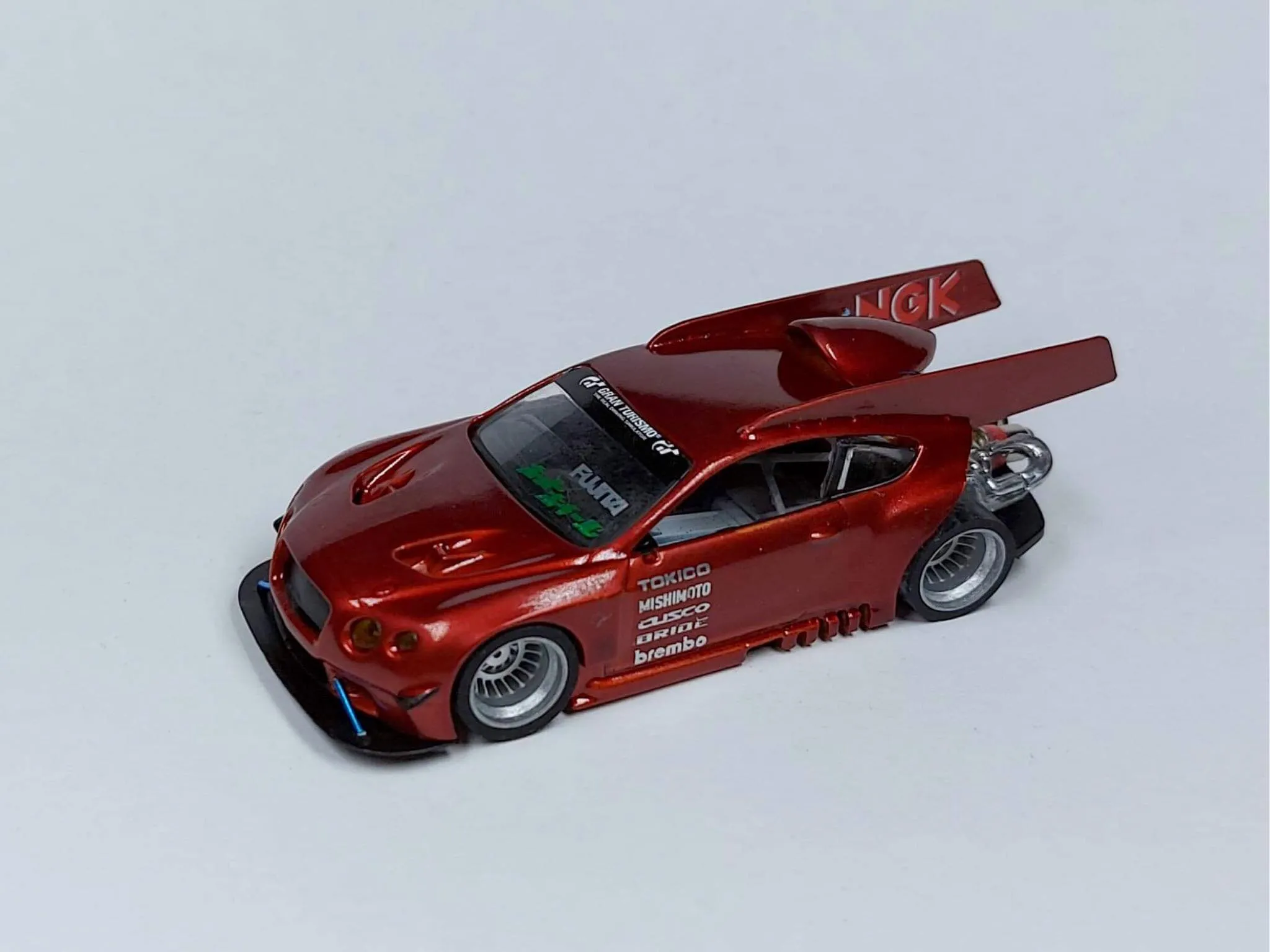
The Essence of Custom Diecast Models
Custom diecast models represent a unique blend of artistry, engineering, and passion, appealing to collectors and hobbyists alike. These meticulously crafted miniature vehicles go beyond mere toys; they are intricate replicas of real-life automobiles, meticulously designed and often personalized to reflect individual preferences. Whether you’re a seasoned collector or a newcomer eager to explore this fascinating world, understanding the fundamental aspects of custom diecast models is essential. The appeal lies not only in the visual representation of iconic cars but also in the potential for personalization and the challenge of creating something truly unique. The best custom models stand out because of the attention to detail, the quality of the materials, and the creativity put into their design.
Choosing the Right Scale
One of the initial and most crucial decisions in the world of custom diecast models revolves around scale. The scale determines the size and proportion of the model in relation to the original vehicle. Several scales are available, each offering a different level of detail and presence. The choice of scale significantly impacts the level of detail achievable, the availability of parts, and the overall cost of the project. Selecting the appropriate scale is critical to the ultimate outcome of your custom model project. The best scale depends on your personal preferences, the availability of parts and resources, and the level of detail you want to achieve.
Why Scale Matters for Collectors

For collectors, scale dictates how a model integrates within a collection and the available space for display. Smaller scales are excellent for showcasing a large variety of vehicles without taking up much room, while larger scales allow for greater detail and visual impact. Consider the space you have available for display and the types of vehicles you wish to collect. The scale will also influence the complexity of the customization process and the availability of aftermarket parts and accessories. Furthermore, a consistent scale throughout a collection offers a more cohesive and visually appealing presentation, enhancing the overall value and enjoyment of the collection.
Popular Scales for Custom Models
Several scales have become industry standards, each offering unique benefits. The most popular include 1:18, 1:24, 1:43, and 1:64. 1:18 scale models are often favored for their impressive level of detail and the opportunity to showcase intricate features. 1:24 scale provides a good balance of detail and size, making it a versatile choice for various customization projects. 1:43 scale is popular for its compact size and ease of collecting a diverse range of vehicles, while 1:64 scale is favored for affordability and its suitability for dioramas and display arrangements. Consider your goals and the specific type of models you wish to customize before settling on a specific scale.
Mastering the Design Process
The design process forms the backbone of any successful custom diecast model project. Before you even touch a tool, careful planning and execution are critical. This involves conceptualizing the project, gathering information, and sketching out ideas. A well-thought-out design ensures that your final model is not only visually appealing but also technically sound. This is where creativity meets technical skill, resulting in a final product that reflects your vision.
Concept and Planning

The initial step involves defining the project’s scope and goals. What type of vehicle are you customizing? What specific features do you want to highlight? What style or theme are you aiming for? Establishing a clear concept and detailed planning saves time and resources and gives the project direction. Consider color schemes, modifications, and the overall aesthetic you want to achieve. Research existing customizations and explore the possibilities. Accurate planning minimizes the risk of costly mistakes and helps streamline the entire process, resulting in a final model that meets your design expectations.
Research and Reference Images
Comprehensive research is essential for any customization project. Gather reference images of the original vehicle, any modifications you intend to make, and examples of similar custom builds. These images serve as a guide throughout the building process, ensuring accuracy and attention to detail. Utilize online resources, automotive publications, and forums to gather information on the vehicle’s specifications, colors, and available aftermarket parts. The more information you gather, the more informed your decisions will be, ultimately leading to a more realistic and visually stunning model. Detailed reference images allow you to replicate intricate details with precision.
Sketching and CAD Design
Translate your ideas into tangible designs through sketching and, if possible, computer-aided design (CAD). Sketching allows you to visualize your concepts and experiment with different design elements. CAD software takes the process to the next level by allowing you to create detailed 3D models and simulate modifications. This allows you to visualize the finished product before any physical work begins. CAD designs allow for precision and ensure all modifications fit correctly. Whether sketching or using CAD, creating detailed plans is a critical step for a successful custom diecast model project.
Material Selection for Customization

Choosing the right materials is vital to ensure the quality, durability, and aesthetic appeal of your custom diecast model. The materials you select directly impact the ease of customization, the final look, and the model’s longevity. From the paint to the smallest detail parts, the right material choices are fundamental for a professional finish. Quality materials also make the customization process much more enjoyable.
Types of Materials Used
Several materials are commonly used in diecast model customization, each serving a specific purpose. Paints are essential for color application and detailing. Adhesives are vital for bonding different parts. Decals and graphics add visual appeal. Various aftermarket parts like wheels, tires, and engine components are often made from materials like resin, plastic, or metal alloys. Selecting the right materials for each element of your model ensures the best possible results. Consider their properties, compatibility, and ease of use before making your final material choices.
Plastic vs. Metal Diecast Models
Diecast models are typically made from a combination of materials, but the primary construction material is either metal or plastic. Metal models are durable and offer a realistic feel, ideal for intricate detailing and long-term display. However, they can be more challenging to customize, requiring specialized tools and techniques. Plastic models are more versatile, easier to work with, and often more affordable. They are well-suited for beginners, and the readily available aftermarket parts can easily modify them. The choice between metal and plastic depends on your experience level, the desired level of detail, and the specific requirements of your customization project.
Paints and Finishes

The paint finish is one of the most visually striking aspects of a custom diecast model. The choice of paint and the quality of the application determine the model’s final look. Using high-quality paints and employing the correct application techniques is critical to a flawless finish. Explore different paint types and experiment with different finishes to find a style that matches your design vision. Properly prepared surfaces and carefully applied paint ensure that your model not only looks professional but is also protected against damage and environmental factors.
Paint Types and Application
Acrylic and enamel paints are the most common choices for diecast model customization. Acrylic paints dry quickly, are easy to clean, and are available in a wide variety of colors. Enamel paints offer a durable finish and excellent resistance to chipping and scratches. The application method depends on the paint type and desired finish. Airbrushing is the preferred method for achieving a smooth, professional finish. Brushing is also an option, especially for smaller details, although it requires practice to avoid brush strokes. Always prepare the surface by sanding and priming to ensure the paint adheres properly. Applying several thin coats of paint instead of one thick coat prevents runs and ensures a smoother finish.
Weathering Techniques
Weathering techniques add realism to your custom diecast models by simulating the effects of age, wear, and environmental exposure. These techniques can transform a pristine model into a lifelike replica with character and history. Start by researching weathering effects to accurately replicate the desired level of wear and tear, whether it is rust, dirt, or sun fading. Various techniques are available, including dry brushing, washes, and pigment powders. Dry brushing involves lightly applying a small amount of paint to highlight edges and raised surfaces. Washes use diluted paints to fill recesses and create shadows, adding depth and dimension. Pigment powders add realistic dust and grime effects. Practicing these techniques on test pieces will allow you to master them before applying them to your finished model.
Advanced Detailing Techniques

Elevate your custom diecast models by incorporating advanced detailing techniques. These techniques involve adding intricate details that enhance realism and visual appeal. From customized interiors to engine detailing, these steps will make your model stand out. These advanced methods go beyond basic customization, requiring a keen eye for detail and a commitment to excellence. This allows for a more realistic and captivating model.
Decals and Graphics Application
Applying decals and graphics is an art form in itself. Decals and graphics add the finishing touches, including logos, racing stripes, and intricate details. When preparing the surface, make sure it is clean, smooth, and primed. Use decal setting solutions to soften the decals and help them conform to the model’s contours. Carefully align the decals and graphics using reference images as a guide. Applying a clear coat over the decals seals them and protects them from damage, blending them seamlessly with the painted finish. Proper decal application requires patience and precision, but the results can transform a model.
Custom Wheels and Tires
Custom wheels and tires dramatically change the appearance of a diecast model, offering a significant aesthetic upgrade. Numerous aftermarket wheel and tire options are available, allowing you to create a unique look. When choosing wheels and tires, consider the style of the vehicle you’re customizing and the overall theme of your project. Ensure the wheels and tires are compatible with the model’s scale and chassis. Replacing the original wheels and tires with custom options adds authenticity and character to your model, adding a personalized touch that reflects your creativity.
Interior Detailing

Interior detailing enhances the realism of your custom diecast model. Adding intricate details like custom seats, dashboards, and steering wheels gives your model a higher level of visual interest. Reference images are key to accurately replicating the interior of the vehicle. Use various materials such as paints, flocking, and photo-etched parts to add texture and detail. The level of detailing you achieve depends on your skills, tools, and desired complexity. Interior detailing transforms a model from a simple replica to a realistic piece of art.
Display and Presentation
Once you’ve completed your custom diecast model, how you display it plays a critical role in its final presentation. Appropriate display elevates the model’s aesthetic appeal. The correct display choices enhance the model’s value. Showcase your models in a way that emphasizes the craftsmanship and design choices. Proper display ensures that your hard work is fully appreciated.
Showcasing Your Models
Consider various display options to highlight your custom diecast models. Use display cases to protect your models from dust and damage while showcasing them. Place models on shelves or in cabinets that complement the style of your collection. Create dioramas that provide context and enhance the narrative of your models. Use lighting and accessories to add visual interest and draw attention to the details. Proper display showcases your craftsmanship and design choices.
Lighting and Photography

Proper lighting and photography play a crucial role in highlighting your custom diecast models. Well-placed lighting enhances the model’s details and brings out the colors. Experiment with different lighting setups, such as spotlights and ambient lighting. Use photography techniques to capture high-quality images of your models. Take pictures from various angles to showcase the details and design. Properly lit and photographed models will allow you to share your creations with others and celebrate your passion for customization.