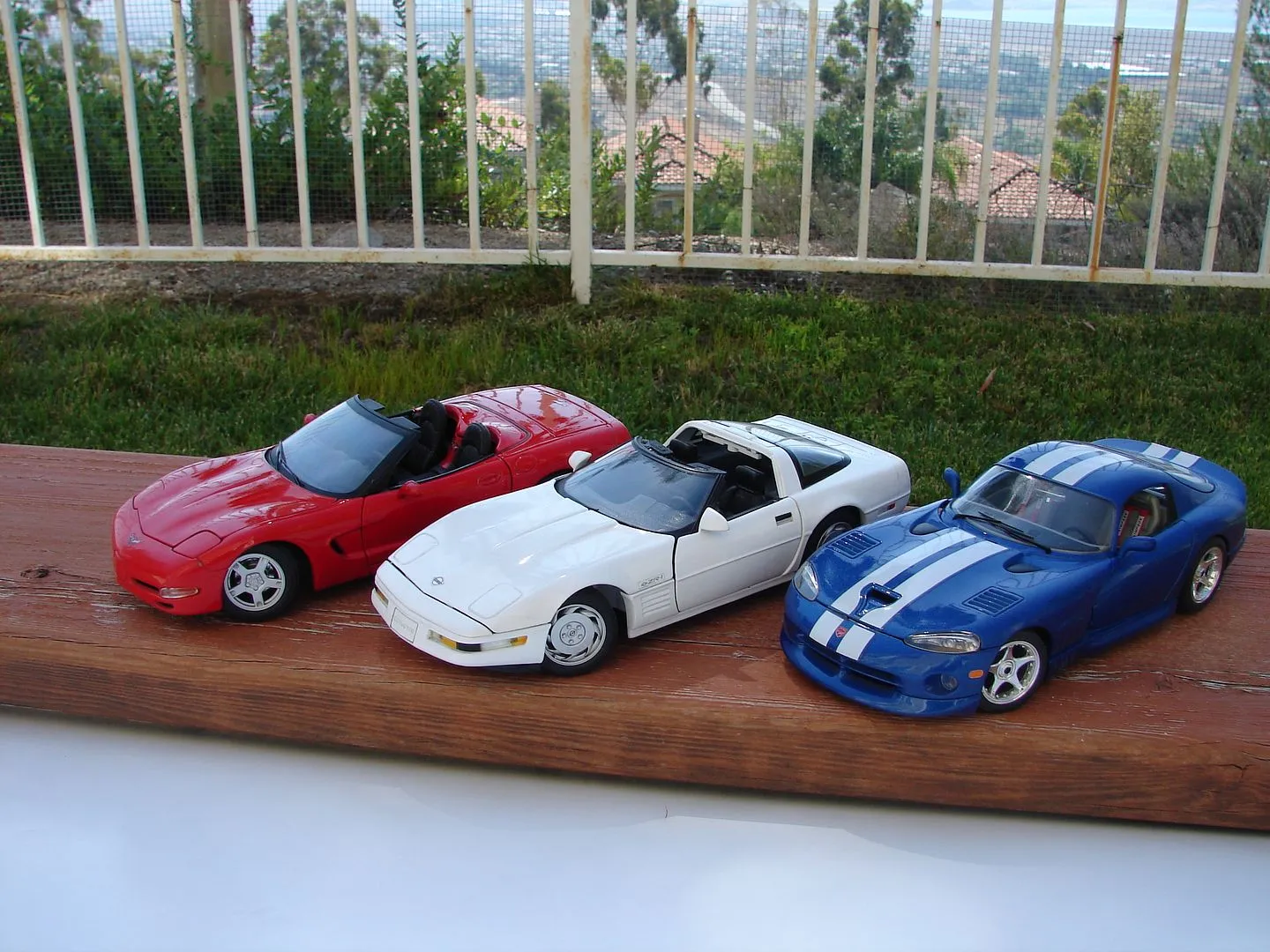
What is a Diecast Car
A diecast car is a miniature automobile model, typically made from metal, that replicates a real-life vehicle. These models are popular among collectors and hobbyists of all ages. Diecast cars come in various scales, with the most common being 1:18, 1:24, and 1:43, where the model is 1/18th, 1/24th, or 1/43rd the size of the actual car. The detail can range from basic to incredibly intricate, with some models featuring fully functional parts like opening doors, hoods, and even steering wheels. Diecast cars offer an accessible and engaging way to appreciate automotive design and engineering, allowing enthusiasts to own and admire their favorite vehicles in miniature form. The hobby is more than just collecting; it’s a way to connect with the history and innovation of the automotive world.
Materials You’ll Need
Before you start your diecast car project, gather all the necessary materials to ensure a smooth and enjoyable experience. The primary material needed is, of course, the diecast car itself. You can find affordable models at various hobby shops, online retailers, or even flea markets. Consider the scale and model you want to customize, as this will influence the other supplies. You will need paints in various colors. Acrylic paints are often the best choice for their ease of use, quick drying time, and ability to be thinned with water. Additionally, you’ll need primers and clear coats to prepare the surface and protect the final paint job. Also, you’ll need different types of sandpaper, ranging from coarse to fine grits, for smoothing and preparing surfaces. Other materials to have on hand include masking tape for precise detailing, putty or filler for repairing imperfections, and various glues for attaching parts.
Essential Tools for Diecast Car Projects

Having the right tools is just as important as the materials for a successful diecast car customization project. A basic set of tools includes a small screwdriver set, especially with Phillips and flathead tips, to disassemble the model. Hobby knives or X-Acto knives are essential for trimming parts and removing unwanted details. A good set of paintbrushes, ranging in size from fine detail brushes to broader brushes, is critical for applying paint accurately. Tweezers are incredibly helpful for handling small parts. To make the painting process easier, an airbrush and compressor can provide a professional finish; however, they’re not strictly necessary for beginners. A cutting mat protects your work surface. A well-ventilated workspace is also a must to handle paints and solvents safely. Finally, magnification tools like a magnifying glass or a head-mounted magnifier can help with detailed work.
Step by Step DIY Diecast Car
Building your own diecast car requires following a series of carefully executed steps. Begin by selecting a diecast car model you wish to customize. The condition of the model is a consideration; whether you start with a pristine model or one needing restoration, the process will vary. The initial steps include disassembling the car, removing the body from the chassis, and carefully taking apart the interior and external components. With the car dismantled, it is time for surface preparation, which might include removing existing paint and smoothing the surfaces. Prime the model to provide a base for your new paint job. Paint the car body and interior components, adding any custom details. Then, reassemble all parts, being careful not to damage any new paintwork. The final step involves adding finishing touches like decals, and clear coating for protection.
Prepare the Diecast Car for Customization
Preparing your diecast car is a critical step that ensures a smooth and attractive final product. Start by cleaning the diecast car thoroughly to remove any dirt, dust, or grease. Using a soft cloth and a mild cleaner, gently wipe down all surfaces. Any existing paint will need to be removed; you can use paint strippers specifically designed for metal or carefully sand the surface down with fine-grit sandpaper. Inspect the model for any imperfections, such as scratches or imperfections in the casting. If you find any, use a fine-grit sandpaper to smooth them out. Apply a primer to the entire model. This creates an ideal surface for your paint to adhere to and helps ensure a uniform color. Once the primer is dry, examine the surface one last time for any remaining imperfections before moving on to the next step.
Disassemble the Car

Carefully disassembling your diecast car is a delicate but essential step in the customization process. First, gather the correct tools, especially small screwdrivers, to remove screws and other fasteners. Start by removing the wheels, which can be a little tricky; some wheels are held in place by axles or small pins. Next, take apart the interior, including the seats, dashboard, and any other internal components. Pay close attention to how each part fits together, and consider taking pictures as you go to help with reassembly. Use your hobby knife or X-Acto knife to carefully separate the body from the chassis. Keep track of all screws, clips, and small parts by storing them in a safe place, like small containers or a parts tray. Be patient and methodical; do not force anything, as this could lead to damage. Once disassembled, you will be ready to customize each component separately.
Paint the Car Body
Painting the car body is where your vision really comes to life, so take your time to achieve a professional finish. After priming the body, start by selecting your desired paint color. Acrylic paints are an excellent choice because they are easy to work with, quick-drying, and suitable for various techniques. Begin by applying thin, even coats of paint, allowing each coat to dry before applying the next. This prevents drips and ensures an even color. If using multiple colors, use masking tape to protect the areas you do not want to paint. Use an airbrush for a smooth, factory-like finish. After the paint has completely dried, apply a clear coat to protect the paint and give your model a shiny appearance. Make sure the environment is dust-free to prevent imperfections. Allow the paint to dry thoroughly before moving on to the next step of the project.
Customize the Interior
Customizing the interior of your diecast car allows you to add a unique and personal touch. Start by painting the interior components. Consider using different colors and detailing techniques to create a realistic look. You might choose to paint the seats a different color or add details like seatbelts and stitching. You can use small brushes or even toothpicks for detailed painting work. Add additional details using small decal sheets or even create custom decals. If you want to add special details, such as a new dashboard, steering wheel, or custom seats, consider using modeling clay or other materials. Think about the scale of the parts and how they will fit into the overall design. Once all the components are painted and detailed, reassemble them carefully, using glue or other adhesives to secure them in place. The interior is where you can truly show off your skills and creativity.
Reassemble the Diecast Car

Reassembling the diecast car is the final stage of the project, bringing all of your hard work together. Start by carefully reattaching the interior components to the chassis. Make sure everything aligns correctly. Then, gently place the car body back onto the chassis. Secure it with the screws or fasteners you removed earlier. Reattach the wheels, making sure they spin freely. Check all of the parts to make sure that everything is securely in place. If any parts do not fit, carefully adjust them. Once everything is reassembled, you might want to apply a final clear coat to the entire model to protect the paint and add shine. This is your chance to admire the finished product, and you should now have a customized diecast car that you can proudly display. Enjoy the fruits of your labor.
Display and Care for Your Diecast Car
Once your diecast car is complete, proper display and care will keep it looking its best for years. Display your model in a clean, dust-free environment. You can use a display case, shelf, or a designated area to show off your work. Avoid direct sunlight, as UV rays can damage the paint and decals. Handle your model carefully to avoid scratches or damage. When cleaning your car, use a soft cloth to gently wipe off any dust or dirt. Avoid using harsh chemicals or abrasive cleaners that could damage the paint. If you plan to store your diecast car for an extended period, consider wrapping it in acid-free tissue paper to protect it from scratches. By taking proper care of your model, you can enjoy it for years to come.
Where to Find Supplies
Finding the right supplies is crucial for any diecast car project, and thankfully, there are many places to acquire them. Hobby shops are a great starting point because they often have a wide selection of paints, tools, and accessories specifically for model building. Online retailers offer a convenient way to purchase supplies. You can often find a broader selection of specialized paints, tools, and detailing products. Check out online auction sites for deals on diecast cars, tools, and rare supplies. Local craft stores usually carry a good range of paints, brushes, and adhesives. Don’t overlook auto parts stores. You can find various paints, primers, and clear coats for automotive work, which are well suited for your project. You can check out online forums, groups, and communities dedicated to diecast car customization, where members share tips, advice, and recommendations. This also allows you to source supplies from other enthusiasts.