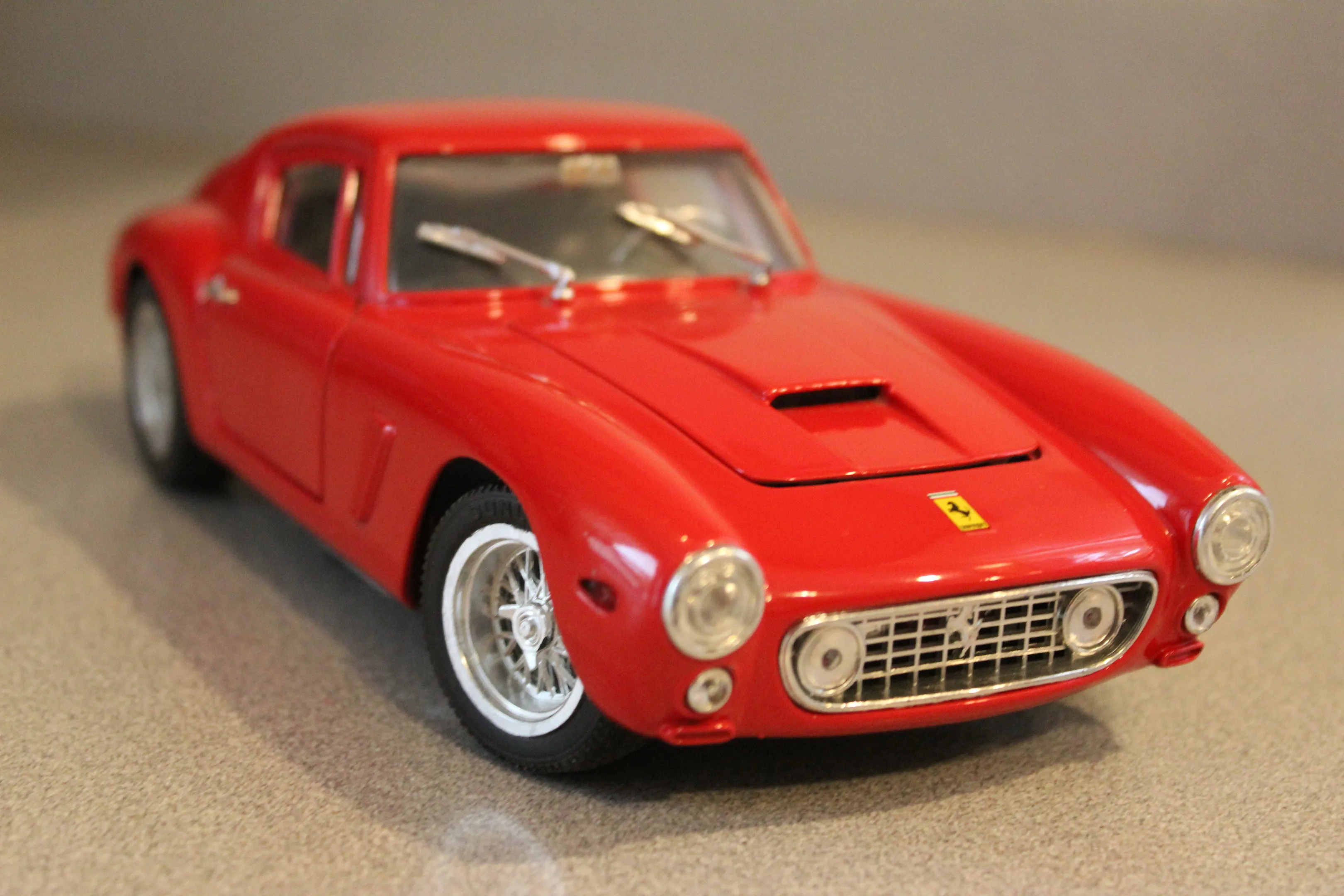
What are Diecast Cars
Diecast cars, miniature replicas of automobiles, have captivated enthusiasts for generations. These meticulously crafted models, typically made of metal, offer a tangible connection to the automotive world. Diecast cars are not merely toys; they represent a diverse hobby, encompassing collecting, customization, and a deep appreciation for automotive history and design. The appeal of diecast cars lies in their ability to capture intricate details in a compact form, making them attractive to collectors of all ages. From classic vintage models to modern sports cars, diecast cars provide a microcosm of the automotive industry, allowing collectors to curate a personal museum of their favorite vehicles. These miniature marvels provide a unique blend of nostalgia, craftsmanship, and passion that make diecast cars a rewarding and engaging pursuit.
The History of Diecast Cars
The history of diecast cars is as rich and varied as the models themselves, tracing its origins back to the early 20th century. The evolution of diecast cars mirrors advancements in manufacturing and design, evolving from simple toys to highly detailed collectibles. Understanding this history provides a deeper appreciation for the artistry and technological innovation that define diecast cars today, offering a glimpse into the development of these miniature marvels.
Early Developments

The early development of diecast cars was closely tied to the evolution of toy manufacturing. Prior to the advent of diecasting, toy cars were often made of wood or pressed steel, offering limited detail and durability. The introduction of diecasting, a process where molten metal is injected into molds, revolutionized toy production, enabling the creation of more intricate and realistic models. Early diecast cars were rudimentary, serving primarily as toys for children. These early models paved the way for the sophistication and detail found in modern diecast cars. These early models, though simple by today’s standards, laid the foundation for the hobby and the intricate designs we see today.
Evolution of Manufacturing
The evolution of manufacturing techniques significantly impacted diecast car production. Advancements in diecasting processes led to increased precision, allowing for more intricate detailing and the use of various materials. The development of new alloys also improved the durability and appearance of the models. Moreover, as technology progressed, so did the quality of the models. The introduction of plastic components, such as windows and interior details, further enhanced realism. Today, the manufacturing process is a sophisticated blend of technology and craftsmanship, resulting in highly detailed and accurate replicas. This evolution has transformed diecast cars from simple toys into highly sought-after collectibles.
Different Scales of Diecast Cars
Diecast cars are available in a variety of scales, each offering a different level of detail, size, and collectibility. The scale of a diecast car refers to the ratio between the model’s dimensions and the dimensions of the real-life vehicle. Common scales include 1 18, 1 24, and 1 43, each catering to different preferences and collecting styles. Understanding the various scales is essential for both new and experienced collectors, as the scale directly affects the model’s appearance, detail, and storage requirements. The scale of a diecast car is a critical factor in building and curating a collection.
Popular Scales and Their Uses

Several scales are particularly popular among diecast car collectors, each offering unique advantages and appeal. The most common scales include 1 18, 1 24, and 1 43. Each scale caters to different collectors, depending on factors like the level of detail desired, available space, and budget. Understanding the characteristics of these scales will help collectors make informed decisions when starting or expanding their collection.
1 18 Scale
1 18 scale diecast cars are the largest and most detailed of the popular scales. This scale, where one inch on the model represents 18 inches on the real car, allows for intricate detailing, often including opening doors, hoods, and trunks, as well as detailed engine compartments and interiors. 1 18 scale models are ideal for collectors who appreciate a high level of realism and are willing to allocate more space to their collection. The size and detail of 1 18 scale models make them stand out and provide a striking visual impact, making them popular for display purposes.
1 24 Scale
1 24 scale diecast cars strike a balance between detail and size. Being smaller than 1 18 scale, they offer a slightly more compact option for collectors. These models typically feature a good level of detail, with opening parts and detailed interiors, making them a good value for the price. 1 24 scale is a popular choice for both casual collectors and those with limited display space, offering a great compromise between detail and the practicalities of collection.
1 43 Scale

1 43 scale diecast cars are the smallest of the commonly collected scales, offering an affordable option for collectors. Their compact size makes them easy to display and store, ideal for those with limited space. Despite their smaller size, 1 43 scale models still provide a respectable level of detail. They are an accessible entry point into the world of diecast car collecting, particularly for those who are looking to build a large collection without a significant investment. They also work well as a companion to other collections.
Types of Diecast Car
Diecast cars are available in many different types, each with its own characteristics, appeal, and target audience. The primary types include model cars, toy cars, and collectible cars, each reflecting different purposes and levels of detail. Understanding the distinctions between these types is essential for collectors, as it influences the quality, value, and intended purpose of each model.
Model Cars
Model cars are highly detailed replicas of real-life vehicles, typically aimed at serious collectors and enthusiasts. These models focus on accuracy and realism, often including intricate details such as accurate paint schemes, detailed interiors, and functioning parts. Model cars are usually found in larger scales, such as 1 18 and 1 24, and can be quite expensive due to their superior craftsmanship and detailing. Collectors acquire model cars to recreate their automotive passion at a smaller scale.
Toy Cars

Toy cars are primarily designed for play and entertainment. These cars are more robust and durable than model cars and are often made in smaller scales, making them suitable for children. While they may not have the same level of detail as model cars, toy cars still capture the essence of their real-world counterparts. Toy cars are designed with playability in mind, with features like free-rolling wheels, and bright colors, making them attractive to kids. They offer a fun and engaging way to learn about cars.
Collectible Cars
Collectible cars occupy the space between model cars and toy cars. These cars are designed with an eye towards collectibility and aesthetics. They usually feature higher quality, detailed designs, and are made to appeal to both children and adult collectors. They can encompass a wide range of styles, from vintage classics to modern sports cars, appealing to a broader audience. The value of these cars is often determined by rarity, detail, and brand reputation.
Materials and Construction
The materials and construction of diecast cars significantly impact their quality, durability, and aesthetic appeal. Diecast metal alloys and plastic components play critical roles in creating these miniature replicas. Understanding the materials and construction techniques used provides a better understanding of the value and longevity of a diecast car. The choice of materials affects the look and feel of a diecast car.
Diecast Metal Alloys

Diecast metal alloys, typically zinc, are the primary material used in the construction of diecast cars. These alloys are chosen for their ability to accurately capture fine details, their strength, and their ability to be molded into complex shapes. The metal alloy is injected into a mold under high pressure, creating the main body of the car. Different alloys offer different properties, affecting the model’s weight, finish, and durability. The use of these alloys is essential for producing high-quality diecast cars.
Plastic Components and Detailing
Plastic components and detailing add significant realism and visual appeal to diecast cars. Plastic is used for components such as windows, tires, interior details, and other intricate parts that would be difficult or impractical to create with metal. The use of plastics allows for greater design flexibility and cost-effectiveness. Moreover, the quality and precision of these plastic parts are crucial for the overall look and feel of the model. The combination of metal and plastic, with detailed paint, decals, and finishing touches, is what makes each diecast car a unique collectible.
How to Start a Diecast Car Collection
Starting a diecast car collection can be an exciting and rewarding hobby. With some planning and guidance, enthusiasts can build a collection that reflects their interests. From choosing initial models to setting a budget and finding storage solutions, there are many factors to consider when getting started. This guide provides essential tips to help aspiring collectors get started on their journey. Beginning a collection should be a fun and enjoyable process.
Choosing Your First Models
Choosing the right models is one of the most important aspects of starting a diecast car collection. It’s important to select models that reflect your interests and passion. Whether you have a fondness for a certain type of car, make, or era, collecting what you are most passionate about will make the hobby more enjoyable and engaging. It is essential to choose models from reputable brands that are known for quality and detail. Consider different scales to determine what best fits your available space and budget. Beginning your collection by choosing what appeals to you will foster enjoyment.
Setting a Budget
Setting a budget is a critical step in starting a diecast car collection. Determine how much you are willing to spend on your collection. Diecast cars range widely in price, from affordable models to exclusive, high-end collectibles. Establishing a budget helps you manage your spending and avoid overextending yourself. Consider the cost of each model, as well as the costs associated with storage and display. Regularly reviewing your budget will help you to stay on track and enjoy your hobby.
Storage and Display Tips
Proper storage and display are essential for protecting and showcasing your diecast car collection. The way you store your models will help protect them from dust, sunlight, and other environmental factors that can cause damage. Carefully considering how to display your cars adds to their enjoyment. Implementing these tips can help to preserve the value and beauty of your collection.
Protecting Your Collection
Protecting your diecast car collection involves taking steps to prevent damage and preserve the value of your models. Store your cars in a clean, dry, and dust-free environment to prevent damage. Avoid direct sunlight, which can fade paint and damage plastic parts. Consider using display cases or cabinets to provide an extra layer of protection. Handle the cars with care, avoiding touching them to prevent fingerprints. By following these precautions, you can ensure that your collection remains in excellent condition.
Displaying Your Cars
Displaying your diecast cars is an opportunity to showcase your collection and appreciate the craftsmanship. Choose display options that complement your collection, like display cases, shelves, or custom-built setups. Arrange your models to highlight their details, such as by scale, type, or brand. Consider using lighting to enhance the visual impact of your collection. Make sure the display is in a location where they can be admired. Presenting your collection in an attractive way will enhance your enjoyment of the hobby.
Where to Buy Diecast Cars
Finding reliable sources for purchasing diecast cars is an important part of the collecting experience. There are numerous options available. Understanding the different retail channels helps in finding a broad selection and competitive pricing. Here are some popular options for purchasing diecast cars.
Online Marketplaces
Online marketplaces provide a vast selection of diecast cars from various sellers. Platforms such as eBay, Amazon, and specialized diecast car websites offer a wide range of models, from new releases to rare collectibles. These marketplaces often have competitive prices. When purchasing online, carefully review the seller’s ratings and feedback and read product descriptions and photos to verify the condition of the models. Online marketplaces offer convenience and access to a global selection of diecast cars.
Specialty Stores
Specialty stores offer an alternative to the online market. These stores usually have knowledgeable staff and a curated selection of diecast cars. They provide the opportunity to examine the models in person and receive personalized advice. Specialty stores often specialize in specific brands, scales, or types of models, allowing collectors to find unique and hard-to-find items. Visiting specialty stores provides a unique and enjoyable way to explore the world of diecast cars.