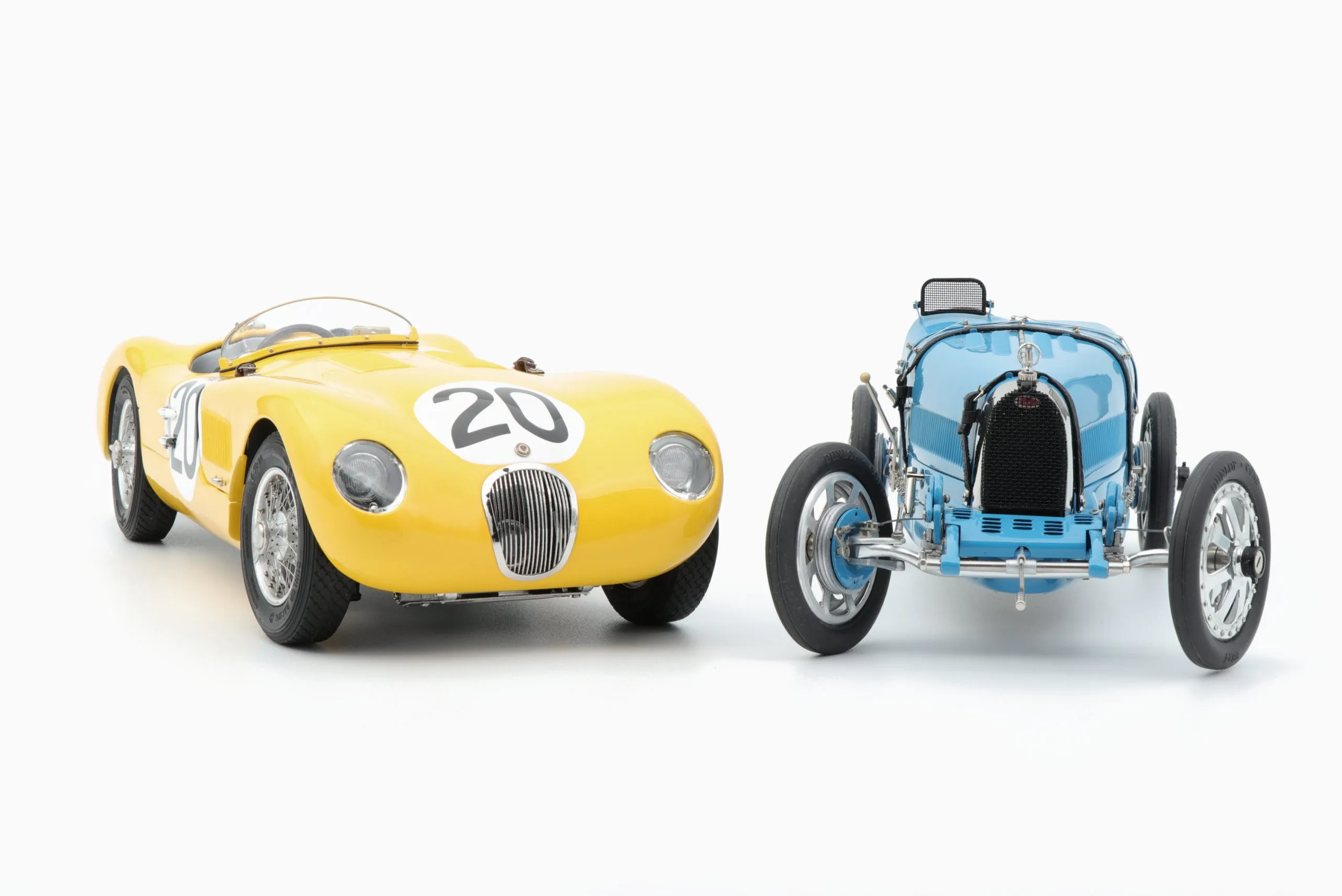
What Are Diecast Cars
Diecast cars are miniature replicas of real-life vehicles, typically made from metal using a die-casting process. These highly detailed models have captivated collectors and enthusiasts of all ages for decades. The appeal lies in their intricate designs, the nostalgia they evoke, and the opportunity to own a piece of automotive history in a compact form. From classic cars to modern supercars, diecast cars offer a diverse range of subjects, making them a rewarding hobby for anyone interested in cars, design, and collecting. They provide an accessible way to appreciate automotive engineering and design without the need for a full-sized vehicle. Starting a diecast car collection is an exciting journey into a world of detailed craftsmanship and passionate communities.
Scale and Types of Diecast Cars
Diecast cars come in various scales, the most common being 1:18, 1:24, 1:43, and 1:64. The scale indicates the size relationship between the model and the actual car. For instance, a 1:18 scale model is 1/18th the size of the real car. Each scale offers a different level of detail and collecting experience. Besides scale, there are different types of diecast cars, from classic cars and muscle cars to race cars and trucks. Some collectors specialize in a particular type, while others aim for a diverse collection spanning various eras and vehicle styles. The variety in scales and types allows collectors to personalize their collections according to their interests and preferences, creating a unique and engaging hobby.
Popular Scales for Diecast Cars

The 1:18 scale is popular due to its size, allowing for detailed features and intricate designs. 1:24 scale models also provide a good balance of detail and size, making them a favorite among many collectors. The 1:43 scale is smaller and more affordable, making it a practical choice for those with limited space or budget. The 1:64 scale, often referred to as ‘Hot Wheels’ or ‘Matchbox’ size, is highly accessible and allows for large collections without requiring much display space. Choosing the right scale depends on individual preferences, available space, and budget. Many collectors enjoy mixing different scales to add variety to their displays, showcasing the diversity of the diecast car hobby.
Different Types of Diecast Cars
Diecast cars encompass a wide array of vehicle types, providing collectors with endless options. Classic cars from the early 20th century, muscle cars known for their power and design, and modern supercars are all popular choices. Race cars, with their aerodynamic designs and racing liveries, appeal to motorsport enthusiasts. Trucks, buses, and other commercial vehicles offer a unique collecting experience. Military vehicles, emergency vehicles, and even fictional cars from movies and TV shows are also available. This diversity ensures that collectors can find models that match their interests. Starting your diecast car group with a specific type of car allows you to specialize, or diversify as you learn more about different types of car.
Choosing Your First Diecast Cars
When starting your diecast car group, the most crucial factor is personal interest. Choose cars that excite you, whether they’re from your childhood, represent your favorite brands, or simply have an appealing design. Consider the scale; a smaller scale might be better if you have limited space, while a larger scale allows for more detail. Think about the condition of the models you want to collect; some collectors focus on pristine models, while others enjoy restoring vintage finds. Setting a budget early on helps manage your spending, and researching brands and models will guide your choices. Collecting diecast cars should be enjoyable, so select models that resonate with your passions and start building a collection that reflects your unique taste.
Researching Diecast Cars

Before buying, research the specific models and brands you are interested in. Learn about the manufacturer, the model’s history, and the details that make it unique. Online resources, collector forums, and model car reviews are great sources of information. Understanding the production numbers, rarity, and value of a model can help you make informed decisions. Researching also involves learning about the different features and details of the models, such as the interior, engine, and paint quality. This knowledge not only enhances your appreciation of the models but also helps you assess their condition and value. This thorough research will allow you to identify authentic models and avoid overpriced ones. The more you research, the better equipped you’ll be to build a valuable collection.
Setting a Budget for Collecting
Establish a budget before you start collecting to avoid overspending. Decide how much you’re willing to spend on each model and the overall collection. Prices can vary widely depending on the scale, rarity, and brand. Start with affordable models and gradually increase your spending as you learn more about the hobby. Set aside funds for display cases, storage solutions, and any potential restoration work. Regularly review your budget and adjust it as needed, and always prioritize models that bring you the most satisfaction. A well-managed budget helps maintain the hobby’s enjoyment and prevents financial stress. Consider setting up a separate fund just for this purpose. Staying within your budget is crucial for long-term collecting.
Where to Buy Diecast Cars
There are numerous places to buy diecast cars. Local hobby stores, toy shops, and antique stores are excellent places to find models. These stores often offer a hands-on shopping experience and opportunities to connect with other collectors. Online marketplaces and retailers provide a wide selection, competitive prices, and the convenience of shopping from home. Diecast car shows and events are also a great way to find rare and unique models. Attending car shows allows you to see models in person, meet other collectors, and potentially purchase models at great prices. The best approach is to combine these options to discover a wide variety of models and find the best deals.
Online Marketplaces and Retailers

Online marketplaces and retailers offer a vast selection of diecast cars. Websites such as eBay, Amazon, and specialized diecast retailers provide numerous options, from new releases to rare vintage models. Many online retailers offer detailed product descriptions, high-quality photos, and customer reviews to help you make informed decisions. Take advantage of online price comparisons and look for sales and discounts to get the best deals. Consider the seller’s reputation, shipping costs, and return policies before making a purchase. Online platforms are convenient and provide access to a global market, expanding your collecting possibilities. Online market places also offer an opportunity to join and form a diecast car group
Diecast Car Shows and Events
Diecast car shows and events are essential for any serious collector. These events provide a unique opportunity to see models in person, meet other enthusiasts, and buy, sell, or trade models. Car shows bring together a vast array of models, from common releases to rare and valuable pieces. You can often find models at prices lower than those in retail stores. Attending car shows allows you to network with fellow collectors, share knowledge, and learn more about the hobby. Check for shows in your area or travel to larger events for a more extensive experience. These events can also facilitate forming and joining a diecast car group, helping you find like-minded individuals. This type of group can help you learn more about diecast car group events
Caring for and Displaying Your Collection
Caring for and displaying your diecast cars is essential to preserve their value and enjoy your collection fully. Proper storage protects models from dust, sunlight, and temperature fluctuations, preventing damage and deterioration. Displaying your collection in a visually appealing way enhances its aesthetic value and allows you to showcase your favorite models. By combining proper care and a well-designed display, you can create a collection that is both protected and enjoyable. Think about the long term. These methods will help your diecast car group in the future.
Proper Storage for Diecast Cars

Store diecast cars in a cool, dry place away from direct sunlight. Sunlight can fade paint and damage plastic parts. Avoid areas with extreme temperatures or humidity, as these conditions can warp the models and affect their metal parts. Consider using display cases with UV protection to minimize light exposure. Use protective packaging, such as individual boxes or plastic sleeves, to prevent scratches and dust accumulation. When handling models, use clean hands or gloves to avoid transferring oils and dirt. Regular dusting with a soft brush or cloth helps keep your models clean. These precautions will keep your diecast car group safe.
Displaying Your Collection
There are many ways to display your diecast cars, from simple shelves to elaborate custom-built cases. Choose a display method that suits your space, the size of your collection, and the aesthetic you want to achieve. Display cases with glass or acrylic covers offer both protection and visibility. Arrange your models by scale, brand, type, or color to create an organized and visually appealing display. Consider adding lighting to highlight the details of your models and enhance their presentation. Regularly rotate your display to keep things fresh and allow you to showcase different models. By carefully planning your display, you can create a stunning presentation that adds to the enjoyment of your collection and become the foundation of your diecast car group.
Joining a Diecast Car Group
Joining a diecast car group can significantly enhance your collecting experience. These groups provide a platform to connect with fellow enthusiasts, share knowledge, and participate in various activities related to the hobby. Whether you’re a beginner or an experienced collector, a diecast car group offers a supportive community. It provides opportunities to learn, trade, and socialize with others who share your passion. These connections can lead to valuable friendships and a deeper appreciation of diecast cars. A diecast car group can also help you know more about the type of cars to collect and will help guide you. There are numerous benefits in joining a group, and you should research those benefits.
Benefits of Joining a Diecast Car Group

Joining a diecast car group brings several benefits. You’ll gain access to a wealth of information, including tips on collecting, model identification, and restoration techniques. You can share your knowledge and learn from others, expanding your understanding of the hobby. Diecast car groups often organize events such as meetups, trading sessions, and model shows. These events provide opportunities to buy, sell, and trade models with fellow enthusiasts. You can also find models at discounted prices. The social aspect is also very valuable, as you’ll meet like-minded individuals who share your passion. By forming a group you can learn more, enhance your collection, and make lasting connections within the diecast car community. Many benefits will add to your collection.
Finding and Connecting with a Diecast Car Group
Finding a diecast car group involves searching online forums, social media groups, and local hobby stores. Search for groups in your area or online communities focused on diecast cars. Attend local car shows and events to meet collectors and learn about groups. Check for meetups or gatherings in your area, and don’t hesitate to reach out to other enthusiasts. Once you’ve found a group, engage with the community by participating in discussions, attending events, and sharing your collection. This helps build relationships and become a valuable member of the group. By actively seeking out and connecting with a diecast car group, you’ll quickly discover a supportive community of like-minded individuals who share your passion for collecting.