What is Diecast Casting
Diecast casting is a highly efficient and versatile manufacturing process used to produce complex metal parts with precision and speed. This method involves injecting molten metal under high pressure into reusable steel molds, known as dies. The process allows for the creation of intricate shapes and designs, making it a popular choice across various industries. Diecast casting offers significant advantages over other casting methods, including faster production rates, superior dimensional accuracy, and excellent surface finishes. The process is particularly well-suited for high-volume production runs, making it a cost-effective solution for manufacturers. From automotive components to consumer electronics, diecast casting plays a crucial role in bringing numerous products to life. Understanding the fundamentals of diecast casting, from the process itself to the materials used and the benefits it offers, is essential for anyone involved in manufacturing or product design.
The Diecast Casting Process Explained
The diecast casting process involves several key steps that work together to produce high-quality metal parts. This process begins with the design and tooling phase, where the die is created. Then, molten metal is prepared and injected into the die under high pressure. After the metal cools and solidifies, the part is ejected, trimmed, and often undergoes finishing and inspection to ensure it meets required specifications. Understanding each step of this process is crucial for optimizing the production of diecast parts and ensuring the desired results.
Step 1 Design and Tooling

The design and tooling phase is the foundation of the diecast casting process. It involves creating the die, which is the mold used to shape the metal. The design of the die is critical, as it determines the final shape, size, and features of the cast part. Engineers must consider factors such as the material being cast, the desired part geometry, and the production volume. The die itself is typically made from high-strength steel, capable of withstanding high pressures and temperatures. The design phase also includes the creation of ejector pins, gates, and runners, which are essential for the efficient casting process. Effective die design ensures the integrity, accuracy, and cost-effectiveness of the final product.
Step 2 Metal Preparation
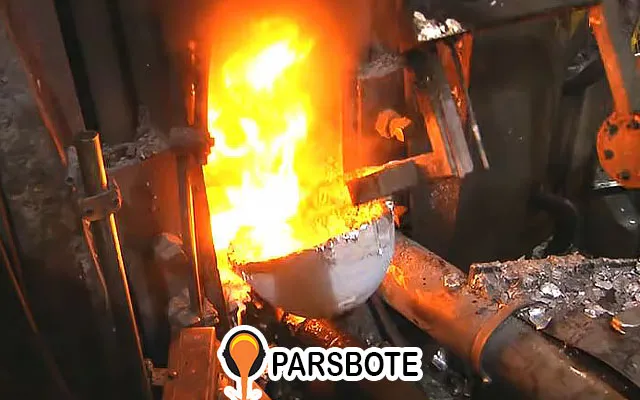
Before the metal can be injected into the die, it must be properly prepared. This involves melting the chosen metal alloy in a furnace, ensuring it reaches the correct temperature for casting. The specific temperature depends on the alloy being used. During the melting process, the metal is carefully monitored to maintain its purity and prevent any unwanted impurities from affecting the final cast part. The molten metal is then transferred to the casting machine, ready for the injection phase. Quality control measures are employed at this stage to ensure that the metal meets the required specifications for the diecast process.
Step 3 Injection and Cooling
In the injection phase, the molten metal is injected into the die under high pressure. This pressure forces the metal to fill the die cavity completely, ensuring that even the most intricate details are captured. The injection process happens very rapidly, sometimes within milliseconds. After injection, the metal remains in the die for a short cooling period. The cooling time is critical, allowing the metal to solidify within the mold. Cooling parameters, such as temperature and time, are carefully controlled to minimize defects and ensure dimensional accuracy. The efficiency of the cooling process significantly impacts the production rate and quality of the final product.
Step 4 Ejection and Trimming

Once the metal has solidified, the die opens, and the cast part is ejected. This process is usually performed by ejector pins built into the die, which push the solidified part out. The ejected part often has excess material, such as the gate and runners, which need to be removed. Trimming involves removing these excess materials, usually using trimming dies or other cutting tools. The part is then inspected to ensure it meets the required specifications. Effective ejection and trimming are important for maintaining the speed and efficiency of the diecast process.
Step 5 Finishing and Inspection
The final step of the diecast casting process often involves finishing and inspection. Finishing processes may include surface treatments such as polishing, painting, or plating, to improve the appearance, corrosion resistance, or other performance characteristics of the part. The part then undergoes a thorough inspection to verify that it meets the required quality standards. Inspection can involve visual checks, dimensional measurements, and non-destructive testing methods. The aim is to catch any defects before the part is sent to the customer. These rigorous steps ensure that the final product meets the highest standards of quality and performance.
Materials Used in Diecast Casting
A wide range of materials can be used in diecast casting, each with its unique properties and benefits. The choice of material depends on the specific application requirements, including strength, corrosion resistance, and cost considerations. Common materials include aluminum alloys, zinc alloys, magnesium alloys, and copper alloys. The selection of the appropriate alloy is crucial for achieving the desired performance characteristics of the final product. The use of different alloys offers flexibility in design and application, which allows engineers to choose the best material to meet the demands of each project.
Aluminum Alloys

Aluminum alloys are one of the most popular materials for diecast casting. They offer an excellent combination of strength, light weight, and corrosion resistance. Aluminum alloys also have good thermal conductivity, making them suitable for applications requiring heat dissipation. Common aluminum diecast alloys include those containing silicon and copper. These alloys are widely used in the automotive and aerospace industries, and consumer electronics. The versatility and cost-effectiveness of aluminum alloys make them an ideal choice for a wide range of applications. The use of aluminum allows for complex designs and high-volume production while keeping costs competitive.
Zinc Alloys
Zinc alloys are another common material used in diecast casting. They offer excellent castability and are known for their ability to produce intricate and detailed parts. Zinc alloys also have good mechanical properties, including tensile strength and impact resistance. Compared to aluminum, zinc alloys are usually heavier but can offer better corrosion resistance in certain environments. Zinc alloys are widely used in the production of automotive parts, hardware, and toys. The lower melting point of zinc alloys makes them cost-effective for production, while their durability ensures the longevity of the final products.
Magnesium Alloys
Magnesium alloys are increasingly used in diecast casting due to their lightweight properties. Magnesium is the lightest structural metal, making magnesium alloys ideal for applications where weight reduction is a key concern. They also offer good strength-to-weight ratios and excellent machinability. Magnesium alloys are commonly used in the automotive and aerospace industries. They are beneficial for reducing fuel consumption and improving vehicle performance. Magnesium alloys require careful consideration during the diecasting process, as they are reactive. With appropriate handling and equipment, they provide an excellent option for high-performance, lightweight components.
Copper Alloys

Copper alloys are a popular choice for diecast casting due to their high electrical and thermal conductivity. These alloys also have good corrosion resistance and mechanical properties. Copper alloys are used in applications such as electrical connectors, heat sinks, and plumbing fittings. Their ability to conduct electricity and heat efficiently makes them an essential material in electronics and other industries. The strength and durability of copper alloys ensure that the final products can withstand demanding environments. Copper alloys offer a reliable and robust solution for a variety of applications.
Advantages of Diecast Casting
Diecast casting offers several advantages that make it a preferred method for producing metal parts. The process’s ability to achieve high production rates, combined with excellent dimensional accuracy, allows for efficient and precise manufacturing. Diecast casting also enables the creation of complex geometries and provides good surface finishes, enhancing the quality and performance of the final products. These advantages contribute to the process’s popularity and wide range of applications across various industries.
High Production Rates
One of the key advantages of diecast casting is its high production rate. The rapid cycle times, combined with the ability to produce multiple parts per cycle, make diecast casting an extremely efficient manufacturing process. This high-volume capability is particularly beneficial for manufacturers requiring large quantities of parts. Faster production translates to lower per-unit costs and quicker turnaround times. The efficiency of diecast casting enables businesses to meet high demand efficiently, making it a valuable asset for mass production.
Excellent Dimensional Accuracy

Diecast casting offers excellent dimensional accuracy, allowing for precise control over the size and shape of the cast parts. The high pressure used during the injection process ensures that the molten metal fills the die cavity completely, capturing even the finest details. This precision minimizes the need for secondary machining operations and ensures consistent part quality. Excellent dimensional accuracy is essential for applications where tight tolerances are required, such as in the automotive and electronics industries. This capability contributes to the reliability and functionality of the final product.
Complex Geometry Capability
Diecast casting can produce parts with complex geometries, intricate shapes, and thin walls. This capability allows designers and engineers to create parts that would be impossible to manufacture using other methods. The process can accommodate features such as internal threads, undercuts, and fine details. This design freedom enables manufacturers to create innovative and functional parts that meet the specific requirements of their applications. The ability to produce complex geometries is a significant advantage for diecast casting.
Good Surface Finish
Diecast casting provides a good surface finish, often requiring minimal finishing operations. The smooth surface is the result of the high pressure and the rapid cooling process, which helps to create a uniform surface. This also enhances the appearance of the final product. A good surface finish is important for both aesthetic and functional reasons, as it can improve the corrosion resistance, paint adhesion, and overall performance of the part. This feature reduces the need for additional polishing or machining, resulting in reduced production time and costs.
Applications of Diecast Casting

Diecast casting is used in a wide variety of industries, producing a wide array of components. The process’s versatility, precision, and efficiency make it a preferred choice for many applications. The automotive industry, consumer electronics, and the production of hardware and appliances extensively use diecast parts.
Automotive Components
The automotive industry heavily relies on diecast casting for manufacturing engine blocks, transmission parts, and other essential components. The process’s ability to produce complex parts with high precision is perfect for the demanding requirements of the automotive sector. The parts have to withstand high stresses and temperatures, while still maintaining the required performance characteristics. Diecast casting is a cost-effective and reliable way to produce the large volumes of parts needed by the automotive industry. This allows manufacturers to meet the demands of the market, offering high-quality vehicles at competitive prices.
Consumer Electronics
Diecast casting is essential in the consumer electronics industry for producing housings, frames, and other structural components for devices such as smartphones, laptops, and tablets. The process enables the creation of lightweight and durable parts with complex designs. The demand for smaller, more powerful, and aesthetically pleasing devices has driven innovation in diecast casting, allowing manufacturers to achieve tight tolerances and excellent surface finishes. The use of diecast parts enhances the functionality and appearance of these products, making them more attractive to consumers.
Hardware and Appliances
Diecast casting is a key manufacturing method for producing hardware and appliances, including door handles, cabinet pulls, and various appliance components. The process allows for the creation of durable, high-quality parts that withstand daily use. The versatility of diecast casting enables designers to create aesthetically pleasing and functional designs that meet a wide range of requirements. Diecast parts are common in various applications, from kitchen appliances to home improvement projects. Diecast components are crucial for ensuring the longevity and performance of these products, offering reliable and cost-effective solutions for manufacturers.
Diecast Casting Best Practices
To maximize the benefits of diecast casting, it is important to implement best practices throughout the entire process. From designing for die casting to optimizing the manufacturing process and ensuring rigorous quality control, these practices are essential for producing high-quality parts efficiently and effectively. Careful consideration of these factors will lead to superior results.
Design for Die Casting
Designing parts specifically for diecast casting can significantly improve the efficiency and quality of the final product. This includes considering factors such as draft angles, wall thickness, and the use of appropriate radii and fillets. Draft angles allow for easy ejection of the part from the die. Consistent wall thickness prevents potential issues during the cooling process. Incorporating radii and fillets reduces stress concentrations. By following these design guidelines, engineers can reduce the risk of defects, improve the manufacturability of the part, and minimize production costs. A well-designed part ensures optimal results in diecast casting.
Process Optimization
Optimizing the diecast casting process involves fine-tuning various parameters to improve efficiency and quality. This includes controlling the metal temperature, injection speed, and cooling rates. Regular monitoring and adjustments are crucial to maintain optimal performance. Automation and the use of advanced technologies, such as sensors and process control systems, help to improve the consistency and efficiency of the manufacturing process. Implementing process optimization techniques reduces waste, improves cycle times, and enhances the overall quality of the final product.
Quality Control
Quality control is vital for ensuring that diecast parts meet the required specifications. This involves implementing a comprehensive quality control plan, including regular inspections, testing, and the use of statistical process control methods. Inspections are carried out at various stages of the production process, from raw material inspection to the final product assessment. Testing can involve dimensional measurements, mechanical property tests, and non-destructive testing methods. By employing these quality control measures, manufacturers can identify and address any defects, ensuring that the final products meet the highest standards of quality and reliability. Consistent quality control also helps prevent costly errors and reduces waste.
Conclusion
Diecast casting is a powerful and versatile manufacturing process with many advantages. The ability to produce complex geometries, high production rates, and excellent dimensional accuracy makes diecast casting an excellent choice for various industries. From automotive components to consumer electronics and hardware, diecast casting plays a significant role in creating the products we use every day. By understanding the process, the materials involved, and the best practices, manufacturers can leverage the benefits of diecast casting to produce high-quality, cost-effective parts, driving innovation and efficiency across multiple sectors. The future of diecast casting continues to evolve with technological advancements, promising even greater capabilities and applications.