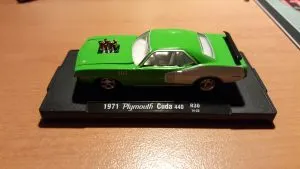
Understanding Diecast Engines
Diecast engines represent a fascinating intersection of engineering, artistry, and collecting. These miniature marvels meticulously replicate the complex components and intricate designs of full-sized internal combustion engines. Choosing the best diecast engine requires a discerning eye and a deep understanding of the various factors that contribute to their value and appeal. From the materials used to the level of detail achieved, every aspect plays a crucial role in determining the quality and desirability of these miniature masterpieces. This guide aims to provide you with all the essential information needed to make informed decisions, whether you are a seasoned collector or just starting your journey into the world of diecast engines. Understanding the nuances of each aspect will allow you to appreciate and select the perfect additions to your collection, or to kickstart one, ensuring a rewarding and enriching experience.
Materials and Construction
The materials used in the construction of a diecast engine significantly impact its durability, appearance, and overall quality. The primary material used is, unsurprisingly, diecast metal, typically a zinc alloy, offering an excellent balance of strength, detail reproduction capabilities, and cost-effectiveness. High-quality diecast engines often incorporate other materials like high-grade plastics for smaller parts and intricate details, and sometimes even rubber for belts and hoses. The construction process involves injecting molten metal into molds, creating highly detailed components. The finishing touches often include painting and other detailing processes, which can significantly influence the realism and value of the model. Pay close attention to the material composition and build quality to ensure you are investing in a product that will stand the test of time and preserve its aesthetic appeal. Careful attention to materials and construction is what separates a great model from an average one. (diecast-engine-materials.webp)
Types of Diecast Engines

Diecast engines come in a wide variety of types, mirroring the diverse range of engines found in real-world vehicles. Common engine types include inline engines (straight-four, straight-six), V-engines (V6, V8, V12), and sometimes even rotary engines, each of them crafted at a specific scale. The selection of engine type often depends on your personal preferences and the types of vehicles you are interested in. Some collectors specialize in a single type, while others prefer a more diverse collection. The level of detail varies across different models, with some featuring functional parts like moving pistons, rotating crankshafts, and detailed internal components. The choice depends on both your budget and your desire for realism. Research the different types available and choose the ones that best represent your collecting interests, or the kind of engines you want to learn about. (diecast-engine-types.webp)
Scale and Detail
Scale and level of detail are critical factors in evaluating diecast engines. Common scales include 1:18, 1:24, and 1:43, with the scale representing the ratio between the model and the real-world engine. Larger scales, like 1:18, typically offer greater detail and allow for more intricate features. The level of detail encompasses everything from the accuracy of the engine’s components to the finishing touches, such as paint quality, decals, and the presence of small, realistic parts. High-quality models will often feature detailed spark plugs, wiring, and other engine bay components. Research the specifications and photographs of each model. When assessing detail, carefully examine the engine’s features, the paint, and the overall finish, looking for flaws or imperfections. A highly detailed engine, accurately scaled and beautifully finished, will add significant value to any collection. (diecast-engine-detail.webp)
Factors to Consider Before Buying
Brand Reputation and Reviews

The brand of the diecast engine is a significant indicator of its quality and collectibility. Some brands have established themselves as industry leaders, known for their attention to detail, accuracy, and use of high-quality materials. Researching the reputation of the brand before making a purchase is essential. Read online reviews, collector forums, and compare different brands based on customer feedback. Consider the brand’s history and its specialization in particular types of engines or vehicles. Renowned brands often command a premium price, but the investment is often justified by the superior quality and collectibility of their products. Pay close attention to what other collectors have to say, and base your buying decisions on the reputations of the brands involved, as well as the quality of individual items. (diecast-engine-brand.webp)
Price vs Quality
Diecast engine prices vary considerably, depending on factors such as scale, detail, brand, and rarity. Balancing price and quality is crucial when choosing a diecast engine. Generally, you get what you pay for, so higher-priced models usually offer better detail, higher-quality materials, and a more accurate representation of the real engine. However, it is important to set a budget and stick to it. Assess the level of detail, the materials used, and the overall finish to ensure that the model justifies its price. Sometimes, a slightly more expensive model from a reputable brand is a better investment than a cheaper alternative. Look for sales, discounts, and special editions to maximize your investment. Consider your budget, evaluate the quality, and purchase the best engine you can afford to maximize your collecting experience.
Collector’s Value and Future Investment
For many collectors, the potential for future investment is an important consideration. Certain diecast engines appreciate in value over time, especially limited-edition models or those from discontinued brands. Factors influencing collector’s value include rarity, condition, historical significance, and the popularity of the engine or vehicle it represents. Research the market and understand which brands and models have a history of appreciating in value. Keeping your diecast engines in pristine condition, including their original packaging, will help preserve their value. Consider the model’s limited availability and its appeal to other collectors. While the primary purpose of collecting diecast engines should be enjoyment, the potential for investment adds another layer of satisfaction to the hobby. Consider how the engine’s potential for value appreciation aligns with your collecting goals and the likelihood of increasing the value of your collection overall.
Maintenance and Care Tips

Cleaning and Storage
Proper maintenance is essential to preserve the beauty and value of your diecast engines. Dust and debris can accumulate over time, potentially damaging the delicate components. Use a soft, lint-free cloth to gently wipe the engine’s surface regularly. Avoid using harsh chemicals or abrasive cleaners, which can damage the paint and other finishes. Store your diecast engines in a cool, dry place, away from direct sunlight and extreme temperatures. Consider using display cases or protective boxes to shield them from dust and accidental damage. Handling your models with clean hands and avoiding excessive force are also crucial. Regular cleaning and appropriate storage will ensure that your diecast engines remain in excellent condition for many years to come. (diecast-engine-cleaning.webp)
Displaying Your Collection
Displaying your diecast engine collection is an integral part of the hobby, allowing you to showcase your prized models and appreciate their intricate details. Choose a display method that reflects your personal style and the size of your collection. Display cases with glass or acrylic covers are ideal for protecting the engines from dust and handling. Shelves or display cabinets offer a more open presentation. Consider using lighting, such as LED spotlights, to highlight the details of the engines. Arrange your models thematically or by brand to create a visually appealing display. Grouping engines by type, manufacturer, or scale can also enhance the aesthetic appeal. Take pride in showcasing your collection, and enjoy the opportunity to share your passion with others. (diecast-engine-display.webp)
Where to Buy Diecast Engines

Online Retailers vs Local Shops
The accessibility of diecast engines has expanded significantly with the rise of online retailers, offering an extensive selection, competitive prices, and convenience. Reputable online platforms provide detailed product information, reviews, and high-quality images. However, local shops offer the opportunity to examine the models in person, assess their quality, and receive expert advice. Both online retailers and local shops have their own set of advantages and disadvantages. Online retailers offer greater convenience and a wider selection, while local shops provide a more tactile experience and the opportunity to build relationships with fellow enthusiasts. (diecast-engine-retailers.webp) Consider the pros and cons of each, and make the choice that best suits your buying preferences and location. Consider the return policies of each and the availability of after-sales support.
Auctions and Collector’s Markets
Auctions and collector’s markets represent exciting opportunities for acquiring rare and valuable diecast engines. Online auction sites and dedicated collector’s events are excellent resources for finding unique models and expanding your collection. Auctions can provide a chance to acquire limited editions or discontinued models. Attending collector’s events can allow you to network with other enthusiasts, share your passion, and learn from their experiences. Before participating in auctions or collector’s markets, research the specific models and understand their fair market value. Set a budget and stick to it, and carefully inspect the models’ condition before making a bid. Participating in auctions can be an exciting and rewarding experience, but a thorough understanding of the market is essential to avoid overspending or making impulsive purchases.
Conclusion

Choosing the best diecast engines involves a combination of knowledge, careful consideration, and personal preference. By understanding the factors discussed in this guide, you can make informed decisions and build a collection that reflects your passion and appreciation for these miniature marvels. Consider the materials, construction, scale, detail, brand reputation, and potential for investment, and make selections that resonate with your interests and collecting goals. Embrace the journey of discovering the intricate world of diecast engines and enjoy the unique satisfaction that comes from owning and displaying these beautifully crafted models. Happy collecting and enjoy the beauty and intricacies of these magnificent miniature engines!