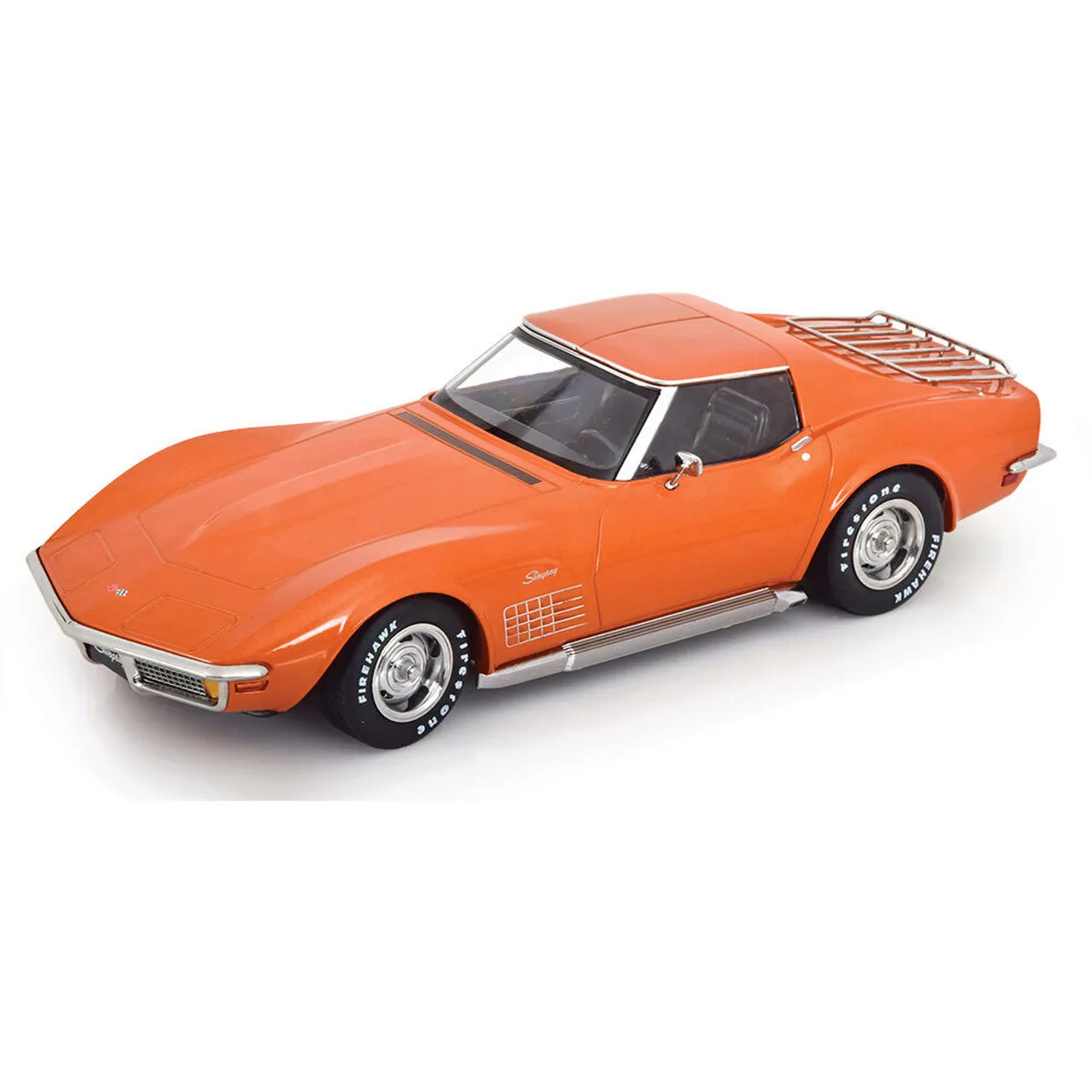
Diecast model cars, those meticulously crafted miniature replicas of our automotive dreams, hold a rich and fascinating history. From humble beginnings as simple toys to becoming highly sought-after collectibles, their evolution mirrors advancements in technology, shifts in popular culture, and the enduring appeal of automobiles. This article explores the top 5 facts about diecast model car history, unveiling the key milestones and the stories behind these tiny treasures. Prepare to be amazed by the longevity and the intricate design of these miniature masterpieces and the dedication of those who create and collect them.
Early Beginnings of Diecast Model Cars
The origins of diecast model cars trace back to the early 20th century, coinciding with the rise of the automobile itself. Initially, these models served as promotional items, designed to represent real-life vehicles. They were often simple in design and construction, utilizing materials like lead or tin. However, these early models laid the foundation for the sophisticated replicas we know today. The manufacturing processes were rudimentary, with the focus on creating affordable and accessible toys for children and simple promotional items for adults. These early models were often hand-painted and lacked the intricate detailing that would become a hallmark of later generations of diecast cars. They mark the beginning of the journey of these toy cars.
The Rise of Toy Cars
As the popularity of automobiles soared, so did the demand for toy cars. Children were fascinated by these new machines, and parents sought affordable ways to entertain them. Toy manufacturers recognized this opportunity, and the production of toy cars exploded. The focus shifted from simple promotional items to more detailed and appealing toys. Materials and production techniques advanced, leading to more realistic and durable models. This period saw the emergence of iconic brands and the development of competitive markets that shaped the future of the diecast car industry. The toy car became a staple in childhoods, offering a hands-on experience for children of all ages. It also sparked a sense of fascination and passion for automobiles that lasts a lifetime.
Materials and Manufacturing Techniques

The evolution of diecast model cars is inextricably linked to advancements in materials and manufacturing. The shift from lead and tin to zinc alloys marked a pivotal moment, enabling more detailed and durable models. This led to the development of more precise and efficient manufacturing processes. The process of diecasting involves injecting molten metal into a mold under high pressure, allowing for intricate designs and superior detail. These techniques allowed for more complex shapes, finer details, and more robust models. Over time, the industry refined these techniques to achieve higher levels of accuracy and realism in their miniature replicas, appealing to both children and collectors alike. Modern manufacturing utilizes sophisticated machinery and techniques to create the intricate details seen in contemporary diecast models.
Zinc Alloy and its Impact
The introduction of zinc alloys revolutionized the diecast industry. These alloys, often combined with other metals, offered several advantages. Zinc alloys provided the necessary strength and durability to create intricate and detailed models while being cost-effective. They also allowed for finer detailing, enabling manufacturers to replicate even the smallest features of real-life vehicles. Zinc alloys made diecast models more appealing and durable, making them suitable as toys. This material change contributed significantly to the rise of the diecast model car. It also allowed for a larger variety of models to be produced, catering to a wider range of interests and preferences. The shift to zinc alloys was a transformative moment in the history of diecast model cars, setting the stage for the golden age of these miniature vehicles.
Evolution of Diecasting Technology
Diecasting technology has continually evolved, improving the quality and complexity of diecast models. Advancements in mold design, injection pressure, and cooling techniques have enabled manufacturers to produce more intricate and accurate replicas. The implementation of Computer-Aided Design (CAD) and Computer-Aided Manufacturing (CAM) has further enhanced precision and efficiency. These technologies allow for highly detailed designs and accurate replication of real-world vehicles. The ability to create increasingly complex molds has allowed for even greater detail and realism. The continual refinement of diecasting technology has been pivotal in the ongoing appeal of diecast model cars. It has allowed manufacturers to meet the ever-growing demands of collectors and enthusiasts who look for accuracy and detail in their miniature treasures.
Key Manufacturers and Their Contributions

Several manufacturers played pivotal roles in shaping the diecast model car industry. Their innovations in design, manufacturing, and marketing left a lasting legacy. These companies, with their commitment to quality and innovation, set standards and established traditions that continue to influence the market today. These manufacturers not only produced toys but also cultivated a sense of community among collectors and enthusiasts. They organized clubs, supported events, and maintained a dialogue with their customers. This collaborative spirit has helped the hobby flourish and evolve over the years, reinforcing the enduring appeal of diecast model cars. Their legacies remain alive in the collections of enthusiasts around the globe.
Dinky Toys
Dinky Toys, a British company, was a pioneer in the diecast model car industry. They are celebrated for their high-quality models and their influence in popularizing these miniature vehicles. They produced a wide range of vehicles, including cars, trucks, buses, and military vehicles. Dinky Toys were among the first to mass-produce diecast models, introducing them to a wider audience. Their focus on detail and realism helped set a high bar for the industry, attracting both children and collectors. The company’s commitment to quality and design established them as a leader in the market, and their legacy lives on in the form of meticulously crafted replicas and the memories they created. Dinky Toys were very popular during the mid-20th century and remain highly collectible to this day.
Corgi Toys
Corgi Toys, another prominent British manufacturer, introduced innovative features and played a key role in the evolution of diecast models. Their focus was on realism and playability. Corgi Toys introduced features like opening doors, detailed interiors, and even spring-loaded suspension systems, making their models more engaging for children. Corgi’s use of innovative features, such as windows and detailed interiors, elevated the appeal of their models. Corgi’s commitment to realism and playability distinguished them from competitors, setting the standard for the industry. Corgi Toys are very much collectible among diecast car enthusiasts worldwide. These details made their models more appealing to children. Corgi helped to evolve the diecast models from simple toys to sophisticated collectibles.
Matchbox

Matchbox, renowned for its affordable and pocket-sized models, revolutionized the market with its focus on accessibility. Their compact size and reasonable price made them accessible to a wider audience, including children. Matchbox models were originally designed to fit inside a matchbox, hence the name. This clever design was both economical and convenient, helping to make them an instant success. The brand’s commitment to affordability and convenience has contributed greatly to its enduring popularity. Matchbox cars are still popular today, and the brand continues to introduce new models and series to satisfy new generations of collectors and toy car enthusiasts. These miniature models became a global sensation, creating a legacy that continues to influence the industry.
The Golden Age of Diecast Cars
The post-war era witnessed the golden age of diecast model cars. Improvements in manufacturing techniques, the proliferation of brands, and the growing popularity of automobiles created the perfect conditions for growth. The focus shifted to realism, with manufacturers striving to create accurate and detailed replicas. This period saw the emergence of iconic models and a surge in the number of collectors. The evolution of the diecast model car reflected broader cultural and technological shifts. Collectors sought to acquire as many models as possible. Many new brands emerged to meet the growing demand for diecast cars, each vying for a piece of the market. This period became a turning point, as models shifted from simple toys to detailed collectibles.
Scale and Detailing Advancements
Scale and detailing became central to the golden age of diecast model cars. Manufacturers began to focus on creating accurate scale models, paying close attention to every aspect of the vehicles. This focus on detail included the addition of realistic interiors, opening doors, and detailed engine compartments. These advancements in scale and detailing increased the appeal of these models, transforming them from toys to collectibles. Improvements in paint, decals, and other finishing techniques enhanced the overall realism. Collectors became increasingly discerning, demanding ever more accuracy and detail. This focus on accuracy and detail elevated the status of diecast cars, solidifying their place as valued collectibles. The pursuit of greater detail fueled innovation and competition among manufacturers.
The Role of Collectors

Collectors have always played a critical role in the history of diecast model cars. Their passion for these miniatures has driven demand, fostered innovation, and helped preserve the history of the hobby. Collectors are the backbone of the industry, creating a community. Their enthusiasm has led to the formation of clubs, the organization of shows, and the creation of a market for vintage models. Collectors invest time and effort in acquiring, preserving, and sharing their collections. The collectors’ market has spurred specialization, with collectors often focusing on specific brands, eras, or types of vehicles. Collectors contribute to the evolution of the diecast car world and the preservation of their history through their shared passion.
Modern Trends in Diecast Model Cars
The diecast model car industry continues to evolve, embracing new technologies and adapting to changing consumer preferences. The introduction of limited editions, special releases, and collaborations has increased the appeal of these models among collectors. Digital technologies are being used to enhance the design, production, and presentation of these miniature vehicles. The growth of online communities and marketplaces has also played an important role in shaping the hobby. Modern trends are influenced by consumer preferences, and manufacturers are finding new ways to incorporate innovation and detail to appeal to collectors. The constant evolution is evidence of the hobby’s lasting appeal and the enduring allure of these miniature automobiles.
The Growth of Specialized Markets
Specialized markets have emerged as a significant trend in the diecast model car industry. These markets cater to specific interests, such as particular car models, eras, or brands. This specialization reflects the diverse interests of collectors and the growing sophistication of the hobby. Specialty markets include the rise of models that replicate specific racing cars or historic vehicles, and the emergence of limited edition models. The growth of niche markets has fostered innovation and competition. The rise of specialized markets demonstrates the enduring appeal of the hobby. It has created new opportunities for manufacturers to provide models that appeal to specific collecting interests.
Technological Integration in Models

Technological integration is another significant trend in diecast model cars. Modern models often feature advanced detailing and more realistic features. This technological integration includes the use of new materials, intricate paint schemes, and realistic interior designs. The implementation of technology goes beyond aesthetics, as it also includes the use of digital tools to enhance the design. These technological advancements enhance the realism and appeal of diecast models. This trend will continue to evolve, creating even more accurate and detailed miniature vehicles in the future. Technological integration is changing the way diecast cars are designed, manufactured, and enjoyed.
In conclusion, the history of diecast model cars is a testament to human creativity, technological innovation, and the enduring fascination with automobiles. From humble beginnings as simple toys, these miniature replicas have evolved into highly sought-after collectibles. The journey reflects the influence of key manufacturers, the passion of collectors, and the impact of technological advancements. As the diecast model car industry continues to evolve, it remains a vibrant and engaging hobby. The evolution of diecast models, from the simple zinc alloy castings of the early 20th century to the highly detailed models of today, showcases a continuing dedication to craftsmanship and innovation.