Top 7 Features of Diecast Model Cars
Diecast model cars are more than just toys; they’re miniature works of art, meticulously crafted to capture the essence of their full-sized counterparts. These collectibles appeal to enthusiasts of all ages, offering a tangible connection to automotive history and design. Understanding the key features that make these models so captivating is essential for both seasoned collectors and newcomers. This guide explores the top seven features that define a high-quality diecast model car, offering insight into what makes them so desirable and valuable. From the intricacies of detailing to the appeal of brand recognition, discover what sets these miniature vehicles apart.
Authentic Detailing
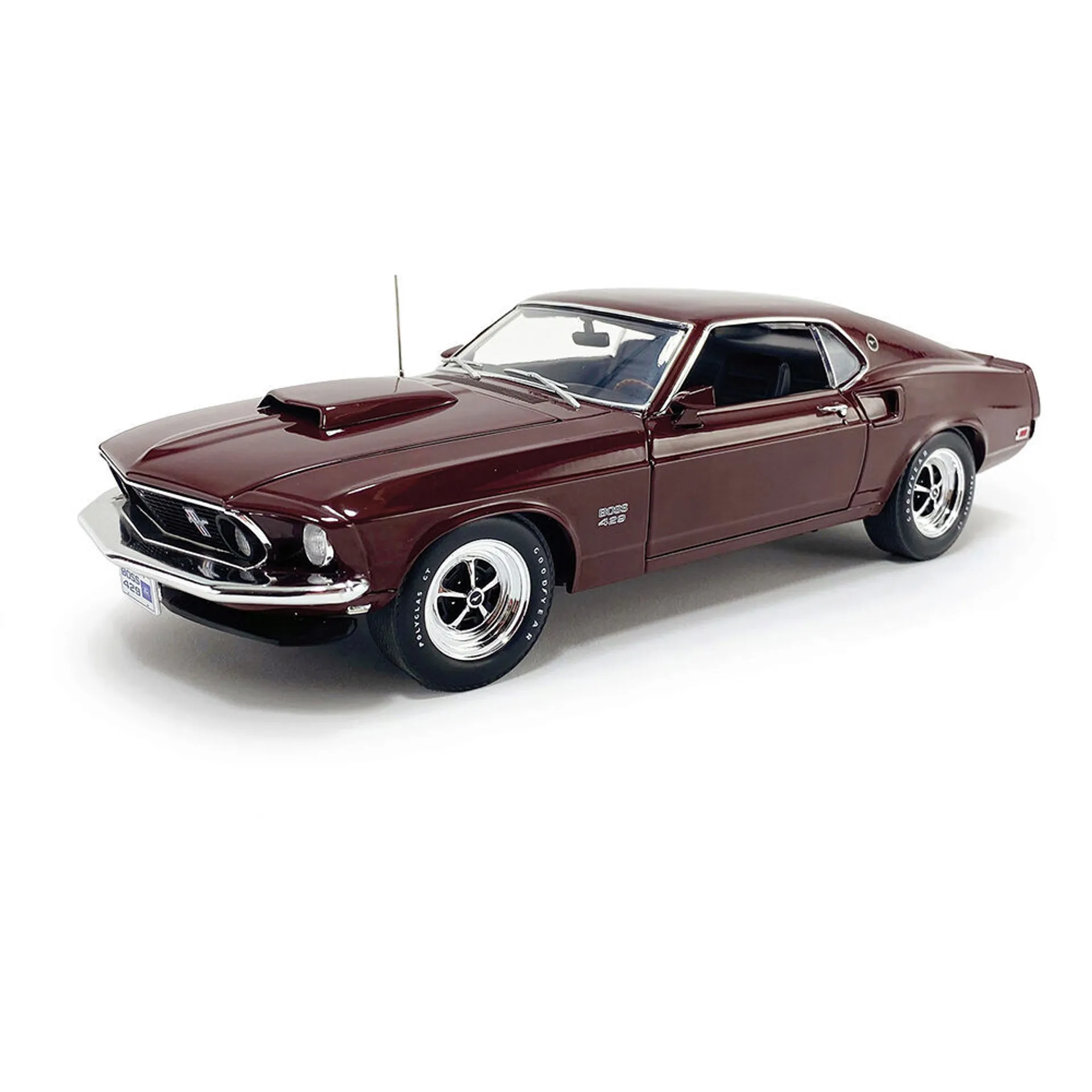
One of the most striking aspects of diecast model cars is their commitment to authentic detailing. Manufacturers go to great lengths to replicate every curve, contour, and emblem of the original vehicle. This meticulous attention to detail includes accurately reproducing the body shape, grilles, lights, and even the smallest badges. The better models capture the essence of the full-sized vehicle, providing a sense of realism that truly elevates the collecting experience. The level of detail can vary, but the best models strive for unparalleled accuracy, making them highly sought after by collectors who appreciate precision and authenticity. This level of detailing is what truly sets diecast model cars apart.
Accurate Paint Finishes

The paint finish on a diecast model car is crucial to its overall aesthetic appeal. High-quality models boast vibrant, smooth, and accurate paint jobs that closely match the original car’s color and finish. The paint application process involves multiple layers, often including primer, base coat, clear coat, and polishing, to achieve a deep, lustrous shine. Metallic flakes, pearlescent effects, and other specialized paint techniques are often employed to replicate the visual characteristics of the real car. The quality of the paint not only enhances the model’s appearance but also protects the underlying metal from corrosion and damage, ensuring its longevity and value over time. The paintwork significantly contributes to the realism and desirability of a diecast model car.
High-Quality Materials
The materials used in constructing a diecast model car directly impact its durability, weight, and overall feel. The primary material is, of course, diecast metal, an alloy typically made of zinc, which provides the model with its solid heft and a sense of quality. The use of metal allows for intricate detailing and a high level of precision. Alongside metal, high-quality plastics are used for various components such as interior trim, wheels, and other small parts. These plastics are often carefully chosen for their durability and ability to replicate specific textures and finishes. The combination of these materials contributes to a model’s longevity and ensures it can withstand handling and display.
Diecast Metal Construction
The core of a diecast model car’s construction is the diecast metal body. This metal provides the structural integrity, weight, and realistic feel that are hallmarks of quality. The diecasting process involves injecting molten metal into a mold, allowing for complex shapes and intricate details. The use of diecast metal gives the model a premium feel and adds to its collectible value. The metal’s ability to hold fine details, like panel lines and trim, makes it ideal for recreating the intricate designs of real-world vehicles. The overall construction significantly contributes to the model’s durability and the collector’s satisfaction.
Detailed Interiors

Beyond the exterior, a diecast model car’s interior plays a significant role in its overall realism. High-quality models feature meticulously detailed interiors, with accurately reproduced seats, dashboards, steering wheels, and consoles. The level of detail can include gauges, dials, and even tiny buttons and switches. Different materials such as molded plastic and fabrics may be used to simulate the textures found in the original car’s interior. The attention to the interior details is a testament to the manufacturer’s commitment to accuracy and enhances the overall appeal of the model, especially for collectors who appreciate a complete and realistic representation.
Functional Parts
Many diecast model cars boast functional parts that add to their playability and realism. Opening doors, hoods, and trunks are common features, allowing enthusiasts to explore the interior and engine bay. Some models even feature working steering, suspension, and other mechanical components. The inclusion of functional parts not only enhances the model’s aesthetic appeal but also provides an interactive element, allowing collectors to engage with the model in a more tactile way. Functional elements add to the model’s overall charm and allow for a deeper appreciation of the craftsmanship involved.
Opening Doors, Hoods, and Trunks
One of the most appealing functional aspects of diecast model cars is the ability to open doors, hoods, and trunks. These features allow collectors to examine the interior and engine bay details, enhancing the realism and providing a closer look at the model’s intricacies. The hinges, latches, and other mechanisms involved in these moving parts are often miniature marvels of engineering, adding to the overall appeal and collectibility of the model. The presence of opening parts elevates the model from a static display piece to an interactive collectible.
Realistic Wheels and Tires

The wheels and tires are crucial elements that contribute to a diecast model car’s realism. High-quality models feature intricately detailed wheels, often with accurate spoke patterns, brake rotors, and calipers. The tires themselves are made of rubber or a similar material, with realistic tread patterns and sidewall markings. The combination of detailed wheels and realistic tires provides the model with a sense of authenticity. Proper wheel alignment and suspension details contribute to the overall visual appeal. The wheels and tires are critical components for achieving a realistic and attractive representation of the original vehicle.
Collector’s Appeal
Diecast model cars hold a special allure for collectors due to several factors, including their investment value, rarity, and the stories they tell. They capture the imagination and provide a tangible connection to the automotive world. The combination of historical significance, aesthetic beauty, and potential financial return makes them a prized possession for many enthusiasts. The collector’s market is driven by passion, appreciation, and the desire to own miniature representations of iconic vehicles.
Investment Value
Certain diecast model cars can appreciate in value over time, making them an appealing investment for collectors. Factors such as rarity, limited production runs, and historical significance contribute to their investment potential. Mint-condition models, especially those with original packaging, often command higher prices in the secondary market. The potential for financial return, coupled with the enjoyment of owning a piece of automotive history, makes diecast model cars a compelling investment option. Collectors must research market trends and understand the factors that influence value to make informed decisions.
Rarity and Limited Editions

The rarity of a diecast model car often significantly impacts its value and collectibility. Limited edition models, produced in small quantities, are highly sought after by collectors. These models may feature unique paint schemes, special detailing, or exclusive branding. The scarcity increases demand, driving up prices in the secondary market. Collectors often search for rare models to complete their collections, adding to the excitement and allure of the hobby. The thrill of the hunt for a limited edition model is a significant part of the appeal for many enthusiasts.
Display and Presentation
How a diecast model car is presented can greatly impact its visual appeal. The way a model is displayed not only enhances its aesthetic value but also protects it from damage and preserves its condition. Thoughtful presentation allows collectors to showcase their models and enjoy their beauty to the fullest. From protective packaging to stylish display cases, presentation plays a significant role in enhancing the collector’s experience.
Protective Packaging
The original packaging is often crucial for preserving the value of a diecast model car. The packaging protects the model from dust, scratches, and other forms of damage. Collectors frequently prioritize models that are still in their original boxes, as this indicates that the model has been well-preserved. The packaging’s condition also contributes to the overall collectibility. Proper storage in a cool, dry place, away from direct sunlight, further protects a model’s value. The box is a key part of the product’s overall presentation and an important part of the collector’s appeal.
Display Bases and Cases

Display bases and cases are essential for showcasing and protecting diecast model cars. Display bases can range from simple platforms to elaborate dioramas that enhance the model’s presentation. Display cases provide a clear view of the model while shielding it from dust, UV light, and accidental damage. They come in a variety of sizes and styles to accommodate different models and collections. Proper display not only enhances the aesthetic appeal but also protects the investment. Displaying model cars is an integral part of the hobby and adds to the overall enjoyment of collecting.
Variety and Scale
Diecast model cars come in a vast array of scales and vehicle types, catering to a wide range of collecting interests. From classic cars to modern supercars, collectors have a seemingly endless choice. Understanding the different scales and vehicle types available is essential for building a diverse and satisfying collection. The variety and breadth of available models are significant factors that contribute to the hobby’s lasting appeal.
Different Scales
Diecast model cars are available in various scales, each representing a different proportion of the real-world vehicle. Common scales include 1:18, 1:24, 1:43, and 1:64. The scale determines the size and level of detail of the model, with larger scales generally offering more intricate details. The choice of scale often depends on personal preference, display space, and budget. Collectors often specialize in a particular scale or collect models across multiple scales to create a diverse collection. The scale is fundamental to how a collector approaches the hobby.
Wide Range of Vehicle Types

The range of vehicle types available in diecast model form is truly astounding. Collectors can find models of almost any vehicle imaginable, from classic cars and sports cars to trucks, buses, and even military vehicles. The variety ensures that there’s something for everyone, regardless of their specific automotive interests. Special editions, concept cars, and race cars are also widely available. This wide range of choices allows collectors to build unique collections reflecting their passions and preferences. From vintage models to modern marvels, there’s a diecast car for every enthusiast.
Brand Recognition
The brand of a diecast model car is a key factor in its desirability and value. Established manufacturers with a reputation for quality and accuracy are highly sought after by collectors. These brands often have a long history of producing high-quality models, and their products are known for their attention to detail and craftsmanship. Brand recognition also plays a significant role in the investment potential of a model. Collectors often favor models from reputable brands, as they are considered more likely to appreciate in value over time. The brand is an essential component of the diecast model car collecting experience.
Popular Diecast Model Car Brands
Several brands have earned a strong reputation within the diecast model car community for their quality, accuracy, and collectibility. These include brands like AUTOart, Minichamps, Hot Wheels, Maisto, and Kyosho, to name a few. These brands have consistently delivered high-quality models with exceptional detailing and paint finishes, attracting a loyal following of collectors. Their models are often highly sought after and command premium prices in the secondary market. Recognizing the most popular brands is an important part of enjoying the hobby and making informed collecting decisions.
The Role of Licensing
Licensing plays a crucial role in the diecast model car industry, as manufacturers must obtain the rights to reproduce the designs of real-world vehicles. These licenses allow manufacturers to create accurate and authentic replicas of specific car models. Licensing agreements ensure that the models meet the original manufacturer’s standards and specifications. Licensing contributes to the realism and collectibility of diecast models, allowing collectors to own miniature versions of their favorite cars. Without licensing, the authenticity of the models would be greatly diminished, and the overall appeal would be significantly reduced.