What are Diecast Replicas
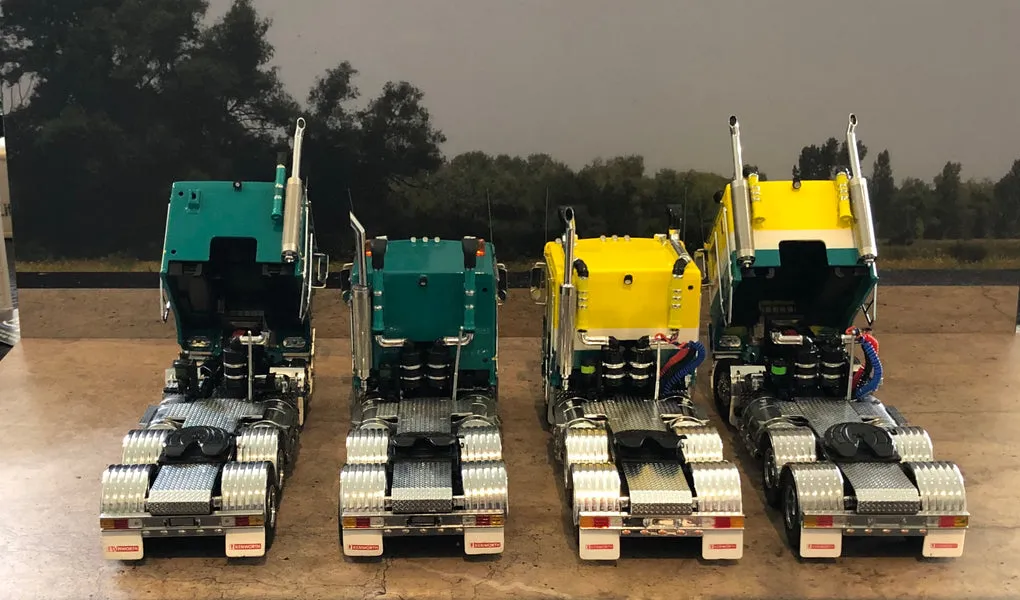
Diecast replicas are miniature models of vehicles, aircraft, and other objects, meticulously crafted from metal and other materials. These highly detailed models are not just toys; they are collectibles, prized for their accuracy, craftsmanship, and historical significance. They offer a tangible way to appreciate iconic vehicles and machines, appealing to enthusiasts of all ages. Diecast models accurately represent their full-sized counterparts, scaled down to various sizes. This guide will delve into the world of diecast replicas, providing everything you need to know to start or expand your collection.
The History of Diecast Models
The origins of diecast models can be traced back to the early 20th century, coinciding with advancements in manufacturing processes. The initial models were primarily simple toys, evolving with time and technology, and becoming more sophisticated. The evolution of these models is a story of innovation, reflecting changes in materials, production techniques, and the growing passion for collecting. From simple toys to highly detailed replicas, the story of diecast models mirrors the broader history of manufacturing and the rise of consumer culture. Diecast models have a rich history, evolving from simple toys to intricate replicas.
Early Diecast Production

Early diecast models were often made from lead or zinc alloys, materials that were readily available and relatively easy to mold. These early models were simple and often lacked the detail of modern counterparts. They served primarily as toys, and the focus was on durability and affordability. The production methods were basic, with limited attention paid to the accuracy of the models. Despite their simplicity, these early models laid the groundwork for the complex and detailed replicas seen today, and now are a highly sought after model among collectors. Early production techniques, while primitive, set the stage for the evolution of diecast modeling.
Evolution of Diecast Materials
Over time, manufacturers transitioned to more sophisticated materials, primarily zamak, a zinc alloy known for its durability and ability to capture fine details. This shift allowed for more intricate designs and greater accuracy in replicating real-world vehicles. The use of plastic and rubber for tires and other components further enhanced the realism of diecast models. The materials used in diecast models have played a pivotal role in their evolution, with zamak providing the foundation for intricate detail and durability. The evolution of materials has been critical in enhancing the realism of diecast models.
Types of Diecast Replicas
The world of diecast replicas encompasses a wide variety of subjects, each catering to different interests. From classic cars to modern supercars, aircraft, military vehicles, and motorcycles, there’s a model for every enthusiast. Each type of replica offers a unique collecting experience, with varying levels of detail, rarity, and historical significance. The diverse range of diecast replicas ensures there is something for every collector, from car enthusiasts to aviation buffs and history aficionados. The variety of diecast replica subjects is extensive, offering models for every interest.
Scale Sizes Explained

Scale is a critical aspect of diecast collecting, defining the size relationship between the model and its real-world counterpart. Common scales, such as 1:18, 1:24, and 1:43, represent the ratio of the model’s size to the actual vehicle. The choice of scale impacts the level of detail, the model’s size, and the amount of space required for display. Understanding scales is essential for building a cohesive and visually appealing collection. Different scales offer varying levels of detail and visual impact.
Common Diecast Scales
Several scales dominate the diecast market, each with its own appeal. 1:18 scale models are larger, allowing for incredible detail and making them popular for serious collectors. 1:24 scale offers a balance of detail and size, while 1:43 scale is more compact, making it ideal for those with limited display space. Other scales, such as 1:64, are popular for their affordability and availability. The most common scales are 1:18, 1:24, and 1:43.
Choosing the Right Scale for You
The ideal scale depends on your personal preferences, budget, and available display space. Larger scales offer greater detail but require more room and can be more expensive. Smaller scales are more affordable and easier to display but may have less intricate features. Consider your priorities when selecting a scale, balancing detail, size, and cost to create a collection that meets your needs. Choose a scale based on your interests and display capabilities.
Popular Diecast Replica Categories

Diecast replicas span a diverse range of categories, each captivating a unique audience. Cars and trucks are the most prevalent, offering a vast selection from classic models to modern supercars. Aircraft replicas provide a window into aviation history and engineering, while military vehicles appeal to history buffs. Motorcycles, buses, and other specialty vehicles add further variety, ensuring a wide array of collecting options. The most popular categories include cars, aircraft, and military vehicles.
Cars and Trucks
Cars and trucks represent the largest segment of the diecast market, encompassing a vast selection of vehicles. Collectors can choose from vintage cars, muscle cars, sports cars, and modern trucks. The detail levels vary, with high-end models offering intricate engine components, realistic interiors, and opening doors and hoods. From classic cars to modern trucks, the variety in this category is immense. The car and truck category offers a huge variety for collectors.
Aircraft and Military Vehicles
Aircraft replicas capture the thrill of aviation, with detailed models of fighter jets, commercial airliners, and historical aircraft. Military vehicles, including tanks, armored personnel carriers, and jeeps, appeal to history enthusiasts and those fascinated by military technology. These models often feature realistic weathering and paint schemes. Aircraft and military vehicles offer a different appeal, celebrating aviation and military history.
Motorcycles and Other Vehicles

Motorcycles are another popular category, offering intricate replicas of classic and modern bikes. Other vehicles, such as buses, construction equipment, and emergency vehicles, provide additional collecting options. These models often feature detailed interiors and exteriors. Motorcycles and other specialty vehicles add diversity to the diecast world.
Key Factors When Choosing a Diecast
When selecting diecast models, several key factors influence their value and appeal. Detail, authenticity, and features play a crucial role in determining a model’s quality and desirability. Paying attention to these factors ensures you acquire models that meet your expectations and align with your collecting goals. The level of detail, the accuracy of the model, and any functional features are all important considerations. Consider detail, authenticity, and features when choosing a diecast.
Detailed Paint and Finish
The paint and finish of a diecast model significantly impact its visual appeal. High-quality models feature accurate paint colors, smooth finishes, and realistic detailing. Look for models with crisp paint lines, accurate logos, and realistic weathering effects. The paint and finish are critical to the overall appearance. High-quality paint and finish enhance visual appeal.
Authenticity and Accuracy

Authenticity is a key factor in diecast collecting. Accurate models accurately represent their real-world counterparts, with attention paid to proportions, details, and markings. Research the model you are considering to ensure its accuracy and that it reflects the original vehicle. Collectors often value models that accurately represent the real-world vehicle. Authenticity ensures the model accurately represents its real-world counterpart.
Working Features
Many diecast models include working features, such as opening doors, hoods, and trunks, steerable wheels, and detailed engine compartments. These features enhance the realism and playability of the model. The level of detail in the interior is also a key consideration. The inclusion of working features increases the model’s appeal. Working features add to the realism and playability.
Top Diecast Brands to Consider
The diecast market is populated by various brands, each known for its quality and specific focus. Some brands are known for premium models, others for mid-range options, and some cater to budget-conscious collectors. Researching the brands is essential for making informed choices and building a collection that meets your needs. Different brands cater to different budgets and interests.
Premium Brands

Premium brands offer the highest quality diecast models, known for their exceptional detail, accuracy, and craftsmanship. These brands often utilize high-quality materials and advanced production techniques. Expect to pay a premium for these models, but the investment often pays off in terms of value and collectibility. Premium brands offer the highest quality and detail. Look for brands like CMC, AUTOart, and BBR.
Mid-Range Brands
Mid-range brands offer a balance of quality and affordability, providing excellent value for the price. These brands often produce a wide range of models with good detail and accuracy. They are a good starting point for collectors or those looking for a diverse collection. Brands like Minichamps, and Kyosho are good choices in the mid-range. Mid-range brands offer a good balance of quality and affordability.
Budget-Friendly Brands
Budget-friendly brands provide affordable diecast models, ideal for beginners or those on a budget. While the detail may not be as intricate as premium models, these brands offer a great entry point into the hobby. Brands like Maisto and Welly offer a wide range of affordable models. Budget-friendly brands provide an accessible entry point.
How to Start Your Diecast Collection

Starting a diecast collection can be an enjoyable and rewarding experience. Begin by defining your collecting goals, selecting a scale, and researching the types of models that interest you. Setting a budget and finding reliable sources are essential steps in building your collection. Starting a diecast collection should be fun and fulfilling. Define your goals, set a budget, and find reliable sources.
Setting a Budget
Determine how much you are willing to spend on your collection. Decide on the average price you are willing to pay for a single model. This will help you to stay within your financial limits and prevent overspending. Consider both the initial cost of the models and any ongoing expenses, such as display cases or accessories. Establishing a budget helps to maintain control. Set a budget to manage your expenses.
Finding Reliable Sources
Identify reputable sources for purchasing diecast models. Consider both online retailers and local shops. Research sellers to ensure they offer authentic products and have a good reputation. Participate in online forums or join local collecting clubs to get advice and recommendations from other collectors. Finding reliable sources will help you avoid counterfeit or damaged models. Find reputable sources, both online and locally.
Displaying and Protecting Your Collection
Proper display and protection are crucial for preserving your diecast models and showcasing your collection. Consider the display options and choose storage solutions that protect your models from dust, sunlight, and damage. Cleaning and maintaining your models will help preserve their value and beauty. Proper display and protection are important for preserving your collection. Protect your models from dust and sunlight.
Storage Solutions
Choose storage solutions based on the size and number of your models. Display cases, shelves, and cabinets offer protection from dust and damage. Consider the material and design of the display units to ensure they complement your collection. Use individual boxes or protective cases to safeguard each model. Choose display and storage solutions that fit your needs. Choose appropriate storage solutions.
Cleaning and Maintenance
Regular cleaning and maintenance will preserve your diecast models and keep them in pristine condition. Use a soft brush or cloth to remove dust and debris. Avoid harsh chemicals or abrasive cleaners. Store your models in a cool, dry place away from direct sunlight. Take care when handling the models. Regular cleaning and maintenance help preserve the models. Clean and maintain your models.
Where to Find Diecast Replicas
Diecast models are available from a variety of sources, both online and offline. Online retailers and marketplaces offer a wide selection of models. Specialty shops and local shows provide opportunities to discover unique models and connect with other collectors. Explore the different sources to find the models you are looking for. Consider both online and offline sources. Find models online and at local events.
Online Retailers and Marketplaces
Online retailers and marketplaces offer a vast selection of diecast models, often with competitive pricing. Websites like Amazon, eBay, and dedicated diecast retailers provide a wide range of choices. Check seller reviews and read product descriptions carefully. Online retailers provide easy access to a wide range of models. Online retailers are a great resource for diecast models.
Specialty Shops and Local Shows
Specialty shops and local shows offer opportunities to see models in person, connect with other collectors, and discover rare or unique finds. These shops often specialize in specific brands or scales. Local shows provide a chance to browse, buy, and trade models. Specialty shops and local shows offer unique opportunities. Specialty shops and local shows provide a hands-on collecting experience.
The Future of Diecast Replicas
The future of diecast replicas is promising, with continued innovation in materials, manufacturing techniques, and detail. Advancements in 3D printing and other technologies may lead to even more intricate and accurate models. The growing interest in collecting ensures that diecast replicas will continue to be a popular hobby for enthusiasts of all ages. The future of diecast replicas is looking bright. Diecast replicas will continue to evolve.