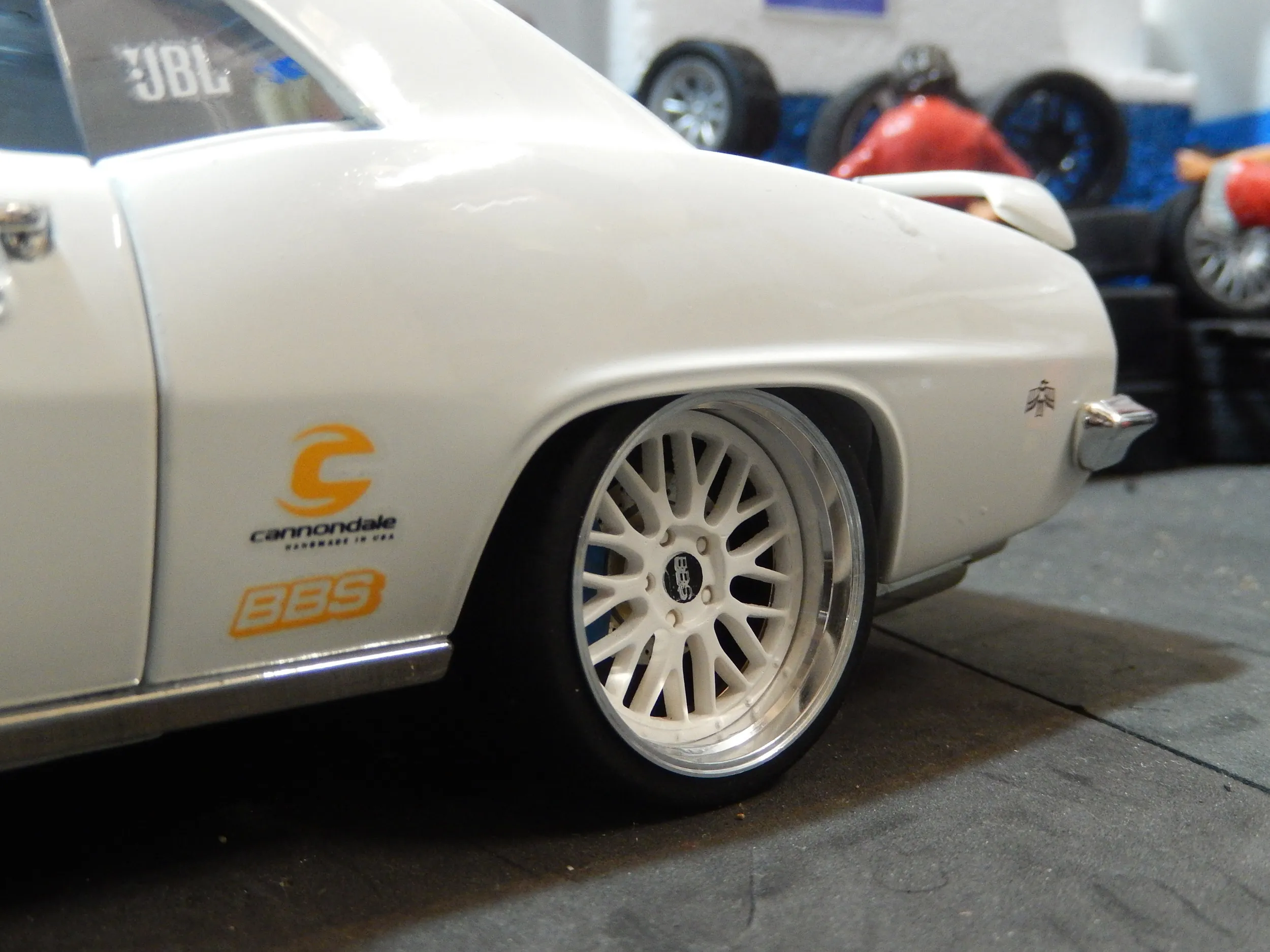
What is Diecast Tuning
Diecast tuning is the art and hobby of modifying and personalizing pre-made diecast model cars. It’s a creative outlet for car enthusiasts and model collectors, allowing them to transform mass-produced replicas into unique and customized vehicles. This process involves various techniques, from simple upgrades like wheel swaps to more complex modifications such as engine detailing and interior customization. Diecast tuning provides a way to express individual style, replicate specific real-world vehicles, or create entirely fictional designs. The hobby offers a wide range of possibilities for those looking to delve into the world of miniature automotive artistry, combining technical skill with artistic flair.
The Appeal of Diecast Tuning
The appeal of diecast tuning lies in its accessibility and the satisfaction of creating something unique. Unlike full-scale car modification, diecast tuning is relatively affordable, making it a great entry point for those passionate about cars. The hobby offers a tangible sense of accomplishment as you transform a factory-made model into a personalized work of art. It also allows for a high degree of creativity, enabling enthusiasts to experiment with different styles, colors, and features. Diecast tuning is a rewarding pastime for hobbyists who enjoy the process of building, customizing, and collecting detailed miniature cars.
Why People Tune Diecast Models

People tune diecast models for a variety of reasons, primarily driven by passion, creativity, and community. Many enthusiasts enjoy the challenge of improving upon the already impressive level of detail found in diecast cars. Others are driven by the desire to replicate their favorite real-world vehicles, personalize models to match their own cars, or create entirely unique designs that reflect their individual tastes. The hobby provides a sense of community, with enthusiasts sharing their work, tips, and techniques online and at model shows. Ultimately, diecast tuning offers a creative outlet for those who appreciate cars and enjoy the process of building and customizing models.
Essential Tools for Diecast Tuning
Choosing Your Diecast Model
Selecting the right diecast model is the first crucial step in the tuning process. Consider factors like scale (1:18, 1:24, 1:43 are common), desired level of detail, and the availability of aftermarket parts. Some models are easier to disassemble and modify than others, making them ideal for beginners. Researching different models and their construction can save time and frustration. Start with models that are known for their quality and potential for customization. Popular brands often offer extensive aftermarket support, making it easier to find the parts and information you need to bring your vision to life. The perfect model sets the stage for a successful tuning experience.
Basic Tools You’ll Need

To begin diecast tuning, you’ll need a selection of basic tools. A set of small screwdrivers (Phillips and flathead) is essential for disassembling models. A hobby knife or X-Acto knife is useful for trimming parts and removing excess materials. Tweezers and needle-nose pliers are invaluable for handling small parts and components. A cutting mat protects your work surface, and a good lighting source is critical for seeing the details. Additionally, you’ll need various grades of sandpaper, from coarse to fine, for smoothing surfaces. Finally, a sturdy workspace and a container to organize small parts will improve your efficiency and enjoyment of the process.
Advanced Tools for Detailed Work
As you progress, consider investing in some advanced tools to enhance your diecast tuning capabilities. A pin vise is useful for drilling small holes with precision. A rotary tool (like a Dremel) with various attachments can be used for cutting, grinding, and polishing. Airbrushes and compressors are great for achieving professional-quality paint finishes. A parts washer is invaluable for cleaning and degreasing parts before painting. A set of small files and a magnifying lamp will assist with intricate detailing. These tools will help you achieve a higher level of customization and precision in your tuning projects, allowing for more complex modifications and a refined final result. Investing in these tools as you refine your skills can greatly expand the possibilities of your diecast tuning endeavors.
Step-by-Step Guide to Diecast Tuning
Disassembly and Preparation

The first step in diecast tuning is disassembly. Carefully remove screws and any other fasteners holding the model together. Document the process by taking photos to help you reassemble it later. Once disassembled, thoroughly clean all the parts. Remove any factory paint using paint stripper or by carefully sanding the surface. This will prepare the parts for modifications. This is the foundation upon which all the customization will be built. Ensure each component is properly cleaned and prepared to ensure optimum results. Taking your time and paying attention to detail during the disassembly process will make subsequent steps much easier.
Wheel and Tire Upgrades
One of the most impactful upgrades is replacing the wheels and tires. Aftermarket wheels are available in various styles, from classic to modern. To install them, you might need to modify the axle size or suspension. Carefully measure the diameter and offset of the new wheels to ensure a proper fit. Choose tires that match the scale and style of the wheels, and consider using different tire compounds for varying looks. Wheel and tire upgrades can dramatically alter the appearance and stance of your diecast model, giving it a customized feel. This simple change can bring a remarkable difference to the model’s overall aesthetic.
Suspension Modifications
Suspension modifications can lower or raise the vehicle, changing its stance. This can involve cutting or modifying the existing suspension components or installing aftermarket parts. Lowering the car can give it a more aggressive look, while raising it might be necessary for certain wheel and tire combinations. It’s essential to consider the ride height and wheel travel to prevent the tires from rubbing against the body. Accurate measurements and careful adjustments are key. These changes can greatly enhance the realism of your model and contribute to its overall aesthetic appeal. Experiment with different ride heights to achieve the desired look.
Engine Detailing and Enhancements

Engine detailing can significantly improve the model’s realism. This can involve adding wiring, hoses, and other details to the engine bay. You might also paint the engine block and components to match the real-world counterpart. Photo-etched parts and custom decals can add even more detail. Some enthusiasts go as far as scratch-building entire engines or engine components for a truly unique look. These enhancements can transform a simple diecast model into a detailed miniature replica. Spend time researching real-world engine designs to add the most accurate detail possible.
Painting and Finishing Touches
Painting is a critical aspect of diecast tuning. Proper surface preparation, including sanding and priming, is essential for achieving a smooth and even finish. An airbrush is ideal for applying paint evenly, but spray cans can also work. Choose paints specifically designed for models or automotive use. Consider using different colors, finishes (gloss, matte), and even custom paint schemes to create a unique look. Decals and clear coats can further enhance the finish and protect the paint. The finishing touches can greatly impact the overall look of the diecast model, so take your time to get it right.
Advanced Tuning Techniques
Customizing Interiors

Interior customization can take your model to the next level. This includes adding details like custom seats, steering wheels, dashboards, and roll cages. You can also add carpeting, flocking, and other interior materials to create a more realistic look. Use a variety of materials, such as styrene plastic, photo-etched parts, and fabrics, to achieve the desired level of detail. Carefully consider the color scheme and design to make it complement the exterior of the model. These efforts can transform the interior from a basic component into a high-detail area and significantly improve the overall appearance of the model.
Adding Decals and Graphics
Decals and graphics are crucial for adding realism and personalization. You can use pre-made decal sheets or create custom designs using decal paper and a printer. Carefully apply decals to a clean surface, ensuring they are aligned correctly. Use setting solutions to help the decals conform to the curves and contours of the model. Once the decals are dry, protect them with a clear coat. Adding decals gives your model a professional finish and allows you to replicate specific vehicles, racing liveries, or create your own unique designs. Spend time carefully planning and applying the decals for the best results.
Showcasing and Displaying Your Tuned Models
Photography Tips

Once you’ve completed your diecast tuning project, capturing its beauty through photography is essential. Good lighting is critical, preferably using soft, natural light or a well-lit studio setup. Use a camera with macro capabilities to capture the fine details. Experiment with different angles, backgrounds, and compositions to create visually appealing photos. Consider using props and accessories to enhance the scene. Editing software can be used to adjust colors, contrast, and sharpness. High-quality photos are an excellent way to showcase your work and share it with other enthusiasts.
Joining a Diecast Community
Connecting with other diecast tuning enthusiasts can enhance your enjoyment of the hobby. Online forums, social media groups, and local model clubs are great places to share your work, ask for advice, and learn new techniques. Attending model shows and events provides an opportunity to see other models in person and meet fellow enthusiasts. Sharing your passion with others can inspire new ideas and expand your skills. Participating in online discussions and communities can provide valuable support and encouragement. The diecast community is filled with people who share your passion for tuning and modifying diecast models.