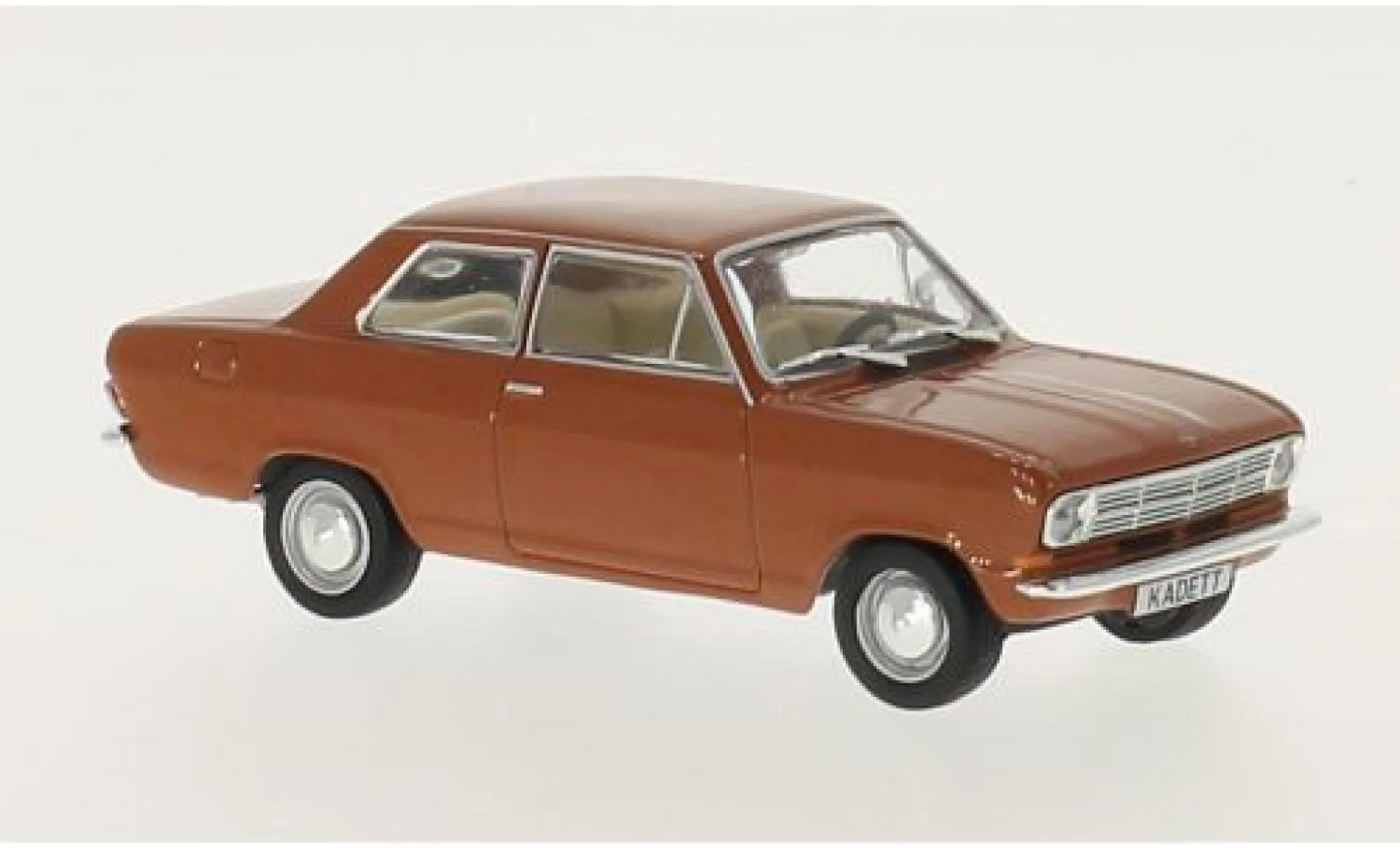
Kadett Diecast Models The Appeal
Opel Kadett diecast models have a unique appeal to collectors and automotive enthusiasts. These miniature replicas capture the essence of a car that holds significant historical value and design appeal. The charm of diecast models lies in their ability to encapsulate the iconic design of their full-sized counterparts, offering a tangible connection to automotive history. For many, Kadett diecast models represent a passion for the classic car era, reflecting an appreciation for design, engineering, and the stories behind the vehicles. Collecting these models allows enthusiasts to own a piece of automotive heritage, providing a connection to a time when cars were characterized by unique styles and technological innovations. Moreover, the meticulous detail and craftsmanship involved in creating these models make them highly desirable pieces for any collector.
The Opel Kadett’s History
The Opel Kadett is a significant vehicle in the history of Opel, a German automobile manufacturer with a long-standing reputation. The Kadett was first introduced in the 1930s and has evolved through several generations, each representing significant advancements in automotive technology and design. The early models helped establish Opel as a major player in the European automotive market. Over the years, the Kadett became known for its reliability, affordability, and versatility, making it a popular choice for families and commuters. The Kadett’s journey through various iterations showcases Opel’s ability to adapt to changing market demands, continuously refining the vehicle to meet consumer needs. This history adds value to the diecast models, as each model represents a specific era and the evolution of the Kadett’s design.
Kadett Generations Overview

The Opel Kadett series has seen several generations, each marked by unique design features and technical improvements. The initial Kadett, introduced in the 1930s, set the foundation, but subsequent models like the Kadett A, Kadett C, and Kadett E brought significant changes. Each generation reflects the design trends and technological advancements of its time. The Kadett A, for example, was known for its compact size and stylish design. The Kadett C introduced a sportier look with enhanced performance options. The Kadett E, a later generation, showcased improvements in aerodynamics and fuel efficiency. This generational evolution provides collectors with a wide range of options, each model representing a different chapter in the Kadett’s history. Understanding these different generations is essential for collectors to appreciate the full scope of the Kadett diecast model collection.
Kadett Diecast Model Scaled Replicas
Diecast models of the Opel Kadett are available in various scales, the most common being 1:18, 1:24, and 1:43. The scale refers to the ratio between the model’s size and the actual car’s size. For instance, a 1:18 scale model is 1/18th the size of the real car. The choice of scale often depends on the collector’s preferences, available display space, and the level of detail desired. Larger scales, such as 1:18, typically offer more intricate details, including working doors, steerable wheels, and detailed interiors, making them highly sought after by serious collectors. Smaller scales like 1:43 are more compact and allow for a larger collection without requiring as much space. The quality of diecast models also varies, from basic models to high-end, meticulously crafted replicas that capture every detail of the original vehicles. The scale and level of detail greatly influence the models’ collectibility and value.
The 1963 Opel Kadett A Diecast
The 1963 Opel Kadett A holds a special place in automotive history and is highly sought after in diecast model form. The Kadett A was Opel’s response to the growing demand for compact, affordable cars. Its design was characterized by clean lines, a distinctive front grille, and a practical three-door hatchback body. The diecast models of the Kadett A often capture these details, including the chrome accents, the precise shape of the headlights, and the interior design. Collectors are drawn to the Kadett A diecast not only for its historical significance but also for its aesthetic appeal, as it represents a classic design that embodies the spirit of the early 1960s. The availability and condition of these models can vary, making them valuable additions to any collection.
Notable Features of Kadett A Models

Kadett A diecast models often replicate key features of the original car, such as the distinctive front grille, the chrome bumpers, and the detailed interior. High-quality models may include working doors, steerable wheels, and detailed engine compartments, enhancing their realism and collectibility. The paint finish, often in classic colors like red, blue, or white, adds to the models’ visual appeal. Manufacturers pay close attention to these details to create authentic replicas that resonate with enthusiasts. These features allow collectors to appreciate the design and engineering of the original vehicle in miniature form. The precision and attention to detail in the Kadett A diecast models make them a valuable addition to any collection.
The 1973 Opel Kadett C Diecast
The 1973 Opel Kadett C represents a significant evolution in the Kadett series. This model introduced a sportier design, with sleeker lines and a more modern aesthetic. The diecast versions of the Kadett C often highlight these design elements, including the distinctive front end, the integrated spoiler, and the detailed interior. The Kadett C also saw various performance upgrades in its real-world versions, which are often reflected in the diecast models, with accurate representations of the engine, suspension, and other mechanical components. The Kadett C is popular among collectors because it captures the spirit of the 1970s with its distinctive style and represents a step forward in automotive design. The models range from basic versions to highly detailed premium editions, which can vary in price and rarity.
Kadett C Model Distinctive Characteristics
The Kadett C’s distinctive characteristics include its sloping rear, sporty silhouette, and integrated front spoiler. Diecast models often replicate these details, along with features such as the unique headlights and taillights. Many models also include detailed interior features, like the dashboard and seats, accurately representing the era’s design. Collectors appreciate the model’s accuracy and the ability to relive the design of the time. The quality of these diecast models can vary widely, from mass-produced versions to limited-edition pieces with enhanced detailing and features. This variation in quality and design makes the Kadett C a popular choice for collectors.
The 1984 Opel Kadett E Diecast

The 1984 Opel Kadett E marked a significant turning point in the Kadett series, with a focus on aerodynamics and fuel efficiency. This generation featured a more streamlined design, reflecting the design trends of the 1980s. The diecast models of the Kadett E often capture these key features, including the smooth body lines, the integrated bumpers, and the modern front end. The Kadett E diecast models also present advancements in automotive technology, such as the new engine options and improved handling. Collectors are drawn to the Kadett E diecast models because they represent the evolution of the Kadett’s design and the innovations of the era. The models are available in different scales, with various levels of detail and quality, making them accessible to a wide range of collectors.
Kadett E Model Design Highlights
The design highlights of the Kadett E, such as its aerodynamic body and integrated bumpers, are carefully replicated in the diecast models. Other notable features include the sleek headlights, distinctive rear taillights, and detailed interior. The diecast models often include realistic paint finishes and accurate representations of the engine and chassis. High-end models might also feature opening doors and hoods, as well as fully detailed interiors. Collectors appreciate these models for their accuracy and their ability to capture the essence of the original vehicle. The Kadett E’s advanced design makes its diecast models highly sought after by enthusiasts.
Kadett Diecast Models Materials & Craftsmanship
The materials and craftsmanship used in Opel Kadett diecast models significantly affect their quality, appearance, and value. These models typically utilize a combination of materials, with the primary component being diecast metal, usually a zinc alloy. The craftsmanship involves precision molding, painting, and detailing to accurately replicate the original vehicles. The quality of the materials and the attention to detail in the craftsmanship influence the overall appeal and collectibility of the models. High-quality models often feature fine paint finishes, detailed interiors, and functional components, enhancing their realism and value. The materials and craftsmanship used in these diecast models are important considerations for collectors.
Diecast Metal Composition

Diecast metal, often a zinc alloy, is the primary material used in most Opel Kadett diecast models. This material is chosen for its ability to capture fine details during molding and for its durability. The metal is injected into molds under high pressure to create the body and other components of the model. The quality of the diecast metal, and the molding process directly impacts the model’s final appearance and durability. High-quality diecast metal ensures that the model accurately replicates the original vehicle’s details, while also providing the weight and feel that collectors appreciate. The use of diecast metal is a key factor in the overall quality and collectibility of these models.
Plastic & Resin Components
In addition to diecast metal, Opel Kadett models also utilize plastic and resin components. These materials are often used for the interior, wheels, and other details where intricate shapes or lightweight structures are needed. The use of plastic allows for more flexibility in design, enabling manufacturers to include detailed dashboards, seats, and other interior features. Resin is frequently used for the creation of more detailed parts, such as the mirrors, wipers, or other small accessories. The use of these materials enhances the models’ realism and improves the overall detail of the design. The combination of diecast metal, plastic, and resin allows manufacturers to create models that accurately represent the original Opel Kadett.
Kadett Diecast Model’s Collectibility
The collectibility of Opel Kadett diecast models is influenced by several factors, including rarity, condition, and historical significance. Rare models, such as limited-edition versions or those produced in small quantities, are highly sought after by collectors. The model’s condition is a major factor in its value, with models in mint condition commanding the highest prices. Historical significance is also crucial, as models representing significant eras or specific Kadett variants are more valuable. The demand from collectors, coupled with the model’s condition and rarity, ultimately determines its market value. Understanding these factors is crucial for both buying and selling these models. Collectors often seek models that tell a story, whether it’s a specific generation or a special edition, adding to the overall appeal of the collection.
Factors Influencing Value

Several factors influence the value of Opel Kadett diecast models. Rarity, such as limited-edition releases or models produced in low volumes, is a key determinant. The condition of the model, whether it’s mint, near mint, or used, significantly impacts its value. The original packaging and any included documentation, such as certificates of authenticity, can also increase the model’s worth. Furthermore, models that represent a specific version, generation, or color scheme of the Kadett are often more valuable due to their uniqueness. Collector demand and the popularity of the Kadett also play a role, driving up prices. Understanding these factors can help collectors assess the value of their models and make informed purchasing decisions.
How to Display Kadett Diecast Models
Displaying Opel Kadett diecast models allows collectors to showcase their collections and protect their investments. There are several ways to effectively display these models, depending on space, personal preference, and the number of models in the collection. Glass display cases are a popular choice, providing protection from dust and allowing for a clear view of the models. Shelves and display stands are also useful, offering flexibility in how the models are arranged. Proper lighting is essential for highlighting the details of the models, and many collectors use LED lights within their display cases. Organizing the models by generation, scale, or color can also enhance the display, creating an aesthetically pleasing and organized presentation. The method of display enhances the viewing experience and allows collectors to share their passion with others.
In conclusion, Opel Kadett diecast models provide a compelling link to automotive history and a fulfilling hobby for enthusiasts. These miniature replicas beautifully capture the essence of iconic vehicles and offer collectors a way to appreciate design, history, and craftsmanship. The diecast models’ enduring appeal is reinforced by their historical significance, the detailed craftsmanship, and the joy of collecting and displaying them. Whether you’re a seasoned collector or new to the hobby, the world of Kadett diecast models has something to offer, making it an exciting and rewarding area of collecting.