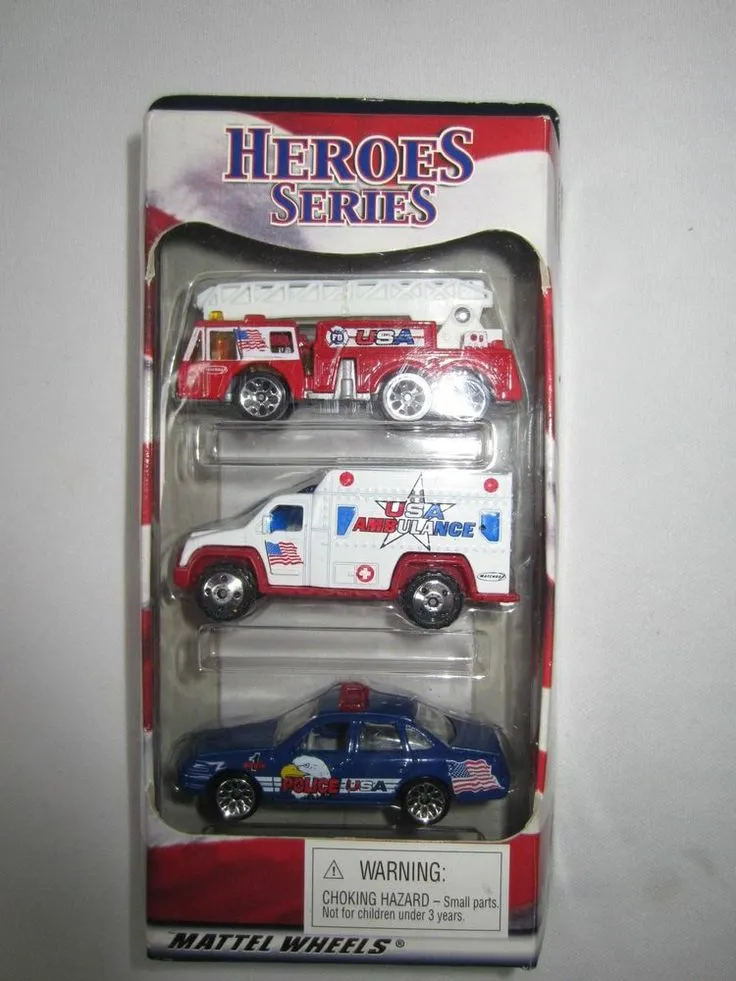
What are Matchbox Diecast Toys?
Matchbox diecast toys are miniature vehicles crafted primarily from metal, celebrated for their fine detail, durability, and collectibility. These small-scale models, mainly including cars, trucks, and other vehicles, have captured the imagination of children and collectors for generations. The appeal of Matchbox cars is multifaceted, with their accessibility, affordability, and the wide range of vehicles they represent being key factors. From the simple models of the early years to the intricately designed cars of today, Matchbox diecast toys offer a combination of play value and a tangible connection to automotive history, making them much more than just toys. They are miniature works of art and tiny representations of a world on wheels, embodying nostalgia and a passion for collecting.
The History of Matchbox
Early Days

The story of Matchbox begins in post-World War II England, with Leslie Smith and Rodney Smith founding Lesney Products in 1947. Initially, the company produced various small diecast toys and other items. However, the turning point arrived when they started focusing on producing miniature vehicles. These early models were simple yet appealing, designed to be affordable and easy for children to handle. The small size was a key differentiator, allowing them to be packaged in boxes resembling matchboxes, which inspired the brand’s name and established its distinctive identity. This ingenious packaging and the affordability of the toys proved crucial to their early success, ensuring accessibility for a wide audience.
Lesney Products
Lesney Products was the driving force behind the development and popularization of Matchbox diecast toys. Their innovations included pioneering die-casting techniques, enabling them to produce detailed and robust miniature vehicles at a scale and price point that resonated with a broad audience. Lesney’s strategy of offering a broad range of vehicles, from cars and trucks to buses and construction equipment, under the 1-75 series, proved incredibly successful. The company’s commitment to quality, the development of the 1-75 series, and the clever design of the matchbox packaging played a vital role in establishing Matchbox as a global leader in the diecast toy market, shaping the brand’s enduring legacy.
The Iconic Matchbox Series
1-75 Series

The 1-75 series is the heart of the Matchbox legacy. It introduced many of the most iconic and beloved models, all produced on a 1:75 scale, allowing for a remarkable level of detail and realism for their size and cost. Throughout the years, the 1-75 series evolved, with new vehicles added to reflect changing automotive trends and consumer preferences. The 1-75 series became more than just a collection of toy cars; it evolved into a representation of popular culture, industry, and automotive innovation, ultimately making Matchbox a cultural icon.
Superfast Series
In 1969, Matchbox launched the Superfast series, a major innovation that revolutionized the design of their cars. The Superfast models featured sleek, low-friction wheels, enabling the cars to roll faster and smoother. This innovation was a key factor in maintaining Matchbox’s relevance and popularity. The Superfast series also embraced vibrant new paint schemes and dynamic graphics, offering a diverse range of vehicles. The Superfast series represented a leap forward in engineering and design, capturing the attention of a new generation of collectors and solidifying Matchbox’s leadership in the market and influencing diecast car design.
Key Features of Matchbox Toys
Scale and Detail

One of the most defining features of Matchbox toys is their impressive attention to detail, especially considering their compact scale. While the 1:75 scale is a standard, designers have meticulously replicated the features of real-life vehicles. This includes precisely sculpted body shapes, well-detailed interiors, and accurate paint schemes. Many models include functional elements like opening doors and hoods, adding to their appeal and playability. This level of detail reflects the high level of craftsmanship behind the models, transforming each car into a miniature work of art. These cars are a testament to the skills and passion of the designers and manufacturers, bringing miniature automotive history to life.
Materials Used
The materials used in Matchbox cars are critical to their quality and durability. Die-cast metal is the primary material, providing weight and a solid feel, while also allowing for intricate detailing. Plastic components are often used for windows, interior parts, and other details. This combination provides a balance of strength, detail, and cost-effectiveness. The use of high-quality materials ensures that Matchbox toys can withstand the rigors of play while also offering lasting value for collectors. The careful selection of materials contributes to the longevity and enduring appeal of these toys.
The Collectability Factor
Rarity and Value

The collectability of Matchbox cars is influenced by factors like rarity, condition, and desirability. Certain models, particularly those produced in limited quantities or featuring unique details, command high prices. The condition of the car is paramount, with mint-in-box examples being especially valuable. Variations, such as misprints or production errors, can also increase a model’s value. The hunt for these rare pieces adds an exciting element for collectors. Scarcity is a major driver of the market, making certain models highly sought after by enthusiasts, thereby increasing their value and desirability within the collector community.
Factors Affecting Value
Numerous factors impact the value of Matchbox cars. Rarity is a primary determinant, with limited editions and promotional models often fetching higher prices. The condition of the model is crucial, with mint-condition cars in their original packaging commanding top prices. Variations and errors from the manufacturing process can increase value; collectors often seek these unique pieces. The model’s popularity and historical significance also contribute to its desirability. Furthermore, the current trends in the market and collector demand at the time of sale can also influence the ultimate price, making it a dynamic and engaging market.
Famous Matchbox Models
The Models

Several Matchbox models are iconic and highly sought after by collectors. These include the “1968 Mercedes Benz 280SL,” a classic design, and the “1969 Porsche 917,” a notable racing car. The “1969 Ford Mustang Boss 302” and the “1970 Pontiac Firebird” are also extremely popular. The “1961 Jaguar E-Type” represents the timeless beauty of automotive design. These models reflect specific eras of design and production, representing different stages in automotive history, and their enduring appeal reflects the passion of Matchbox collectors, as well as their value as collector’s items.
Variations and Errors
Variations and production errors add an element of intrigue to Matchbox car collecting. These range from slight differences in paint colors and details to assembly errors. A car with a roof of a different color or misapplied decals would be examples of variations. Errors are highly desirable, with some variations significantly increasing a model’s value. The hunt for these rare and unique pieces adds a thrilling element to the hobby, making each discovery a moment of excitement and enhancing their value within the community.
How to Collect Matchbox Toys
Where to Find Them

Matchbox toys can be found in various locations. Antique shops and flea markets are excellent for discovering vintage models. Online marketplaces, such as eBay and specialized forums, offer vast selections and opportunities to connect with other collectors. Toy shows and collector conventions provide in-person opportunities to buy, sell, and trade. Local car boot sales and garage sales can reveal unexpected finds. Building relationships with dealers and fellow collectors is a good way to expand your knowledge and gain access to rare models. This approach allows collectors to connect with the community and broaden their resources and overall collecting experience.
Tips for Collectors
Collecting Matchbox toys successfully involves a strategic approach. Start by researching the models that interest you to learn about their history and variations. Set a budget to avoid overspending and stick to it. Focus on collecting what you enjoy; build a collection that reflects your personal tastes. Always inspect models for condition before purchasing them, noting any damage. Store your collection in a safe, climate-controlled environment to protect its value. Network with other collectors to share information, learn about new models, and potentially find rare pieces. This approach can greatly enhance the collecting experience and ensure long-term enjoyment.
Matchbox Toys in the Modern Era
New Releases and Trends

Matchbox continues to release new models that reflect contemporary automotive trends, including electric vehicles and environmentally friendly designs. The company collaborates with car manufacturers to create realistic replicas of modern cars. Special edition releases and themed collections continue to be a draw for collectors. The current trend is toward producing more accurate and diverse representations of real-world vehicles. This strategy ensures that the Matchbox brand remains relevant for younger collectors, mirroring the evolution of the automotive industry and promoting a sense of connection.
The Future of Matchbox
The future of Matchbox appears promising. The brand remains a key player in the diecast toy market because of its continued innovation and deep connection to its heritage. The company’s dedication to quality and authenticity is a driving force behind its continued success. With a focus on sustainability and new technologies in diecast manufacturing, Matchbox is poised to maintain its relevance. The brand’s ability to evolve while honoring its rich legacy ensures that it will continue to be cherished by generations of collectors, ensuring innovation and enduring popularity.