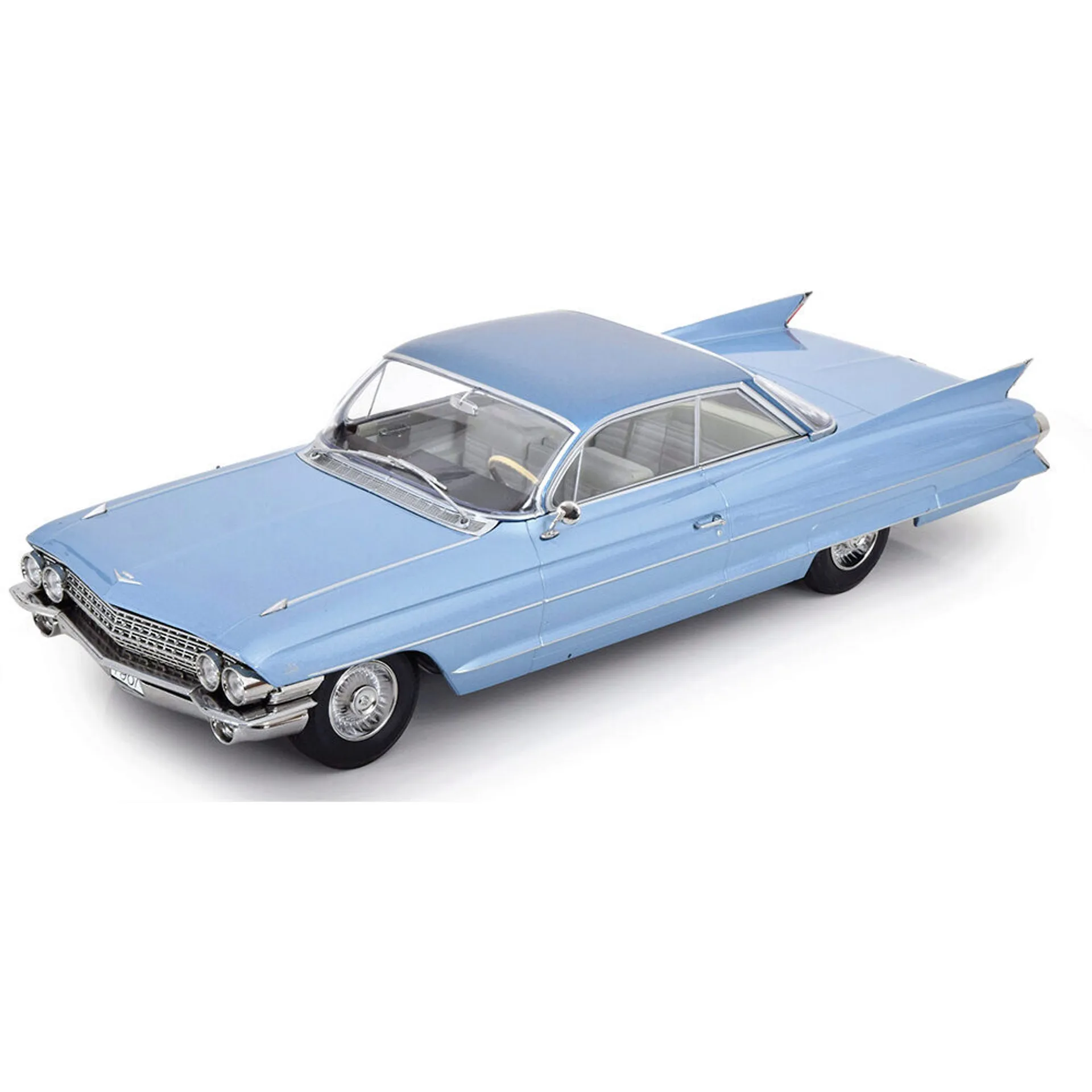
What are Personalised Diecast Model Cars
Personalised diecast model cars represent a unique intersection of the hobby of collecting miniature vehicles and the desire for personal expression. Unlike mass-produced models, these cars are modified or enhanced to reflect an individual’s preferences, commemorate special occasions, or showcase unique designs. This can range from adding a name or date to a model to commissioning a complete custom paint job based on a specific vehicle or design. The personalised aspect transforms a simple collectible into a treasured item, making it a thoughtful gift, a collector’s centerpiece, or a special reminder of a significant event. The customisation process can involve a variety of techniques, and the final product is a one-of-a-kind piece that resonates with its owner on a personal level.
The Appeal of Diecast Model Cars
Diecast model cars have a broad appeal stemming from several key factors. For many, they represent a connection to the automotive world, allowing enthusiasts to own miniature versions of their dream cars or iconic vehicles from history. The intricate detailing and craftsmanship involved in creating these models are also a major draw, with manufacturers striving for accuracy in every aspect, from the body lines and paint finish to the interior details and engine components. Furthermore, the hobby provides a sense of nostalgia for those who grew up with certain cars or who have a particular affinity for a specific era of automotive design. Collecting diecast models can also be a social activity, connecting enthusiasts with others who share their passion, leading to valuable friendships and shared knowledge. Moreover, collecting such items can be an investment, with some models appreciating in value over time, making it a hobby with both personal and potential financial rewards.
Why Personalise Your Diecast

Personalising diecast model cars takes a hobby to a new level of engagement and personal satisfaction. This level of involvement allows collectors to create something that is truly unique and represents their individual tastes. Personalisation allows for the creation of a memento of a special occasion, such as a wedding, anniversary, or the purchase of a new car, by adding dates, names, or custom artwork. It’s a way to create miniature tributes to loved ones or showcase personal interests, such as a favourite sports team, movie, or brand. This ability to customise adds significant emotional value to the model, transforming it from a simple collectible into a cherished item. In addition, for those who want to sell their collection, personalised models can be a great option to increase the value of the items, making it a hobby with potential financial rewards. The end result is a one-of-a-kind piece that reflects the owner’s personality and makes the collecting experience more meaningful and enjoyable.
Choosing the Right Diecast Model Car
Selecting the right diecast model car for personalisation is a crucial first step. You have to consider your preferences, your budget, and the types of modifications you have in mind. Begin by identifying the make and model of the car you want to use, whether it’s a classic vintage vehicle or a modern sports car. Consider the availability of the model and the options available for customisation. Some models are easier to modify than others. Research the quality of the diecast, as this will affect the final result. Look at factors like the level of detail, the materials used, and the overall build quality of the original model, to ensure that your personalisation is a high-quality transformation. Make sure that the car model is compatible with the type of customisation you want to do (e.g., engravings, paint jobs, decals). Decide on the level of detail to determine what you want to create. You should then proceed with careful planning and selecting a model that meets your needs.
Consider the Scale
Diecast model cars come in various scales, and the scale you choose will greatly impact the level of detail, the size of the model, and the cost of personalisation. Common scales include 1:18, 1:24, 1:43, and 1:64. Larger scales, like 1:18, offer more space for intricate details and customisation, such as opening doors, detailed interiors, and realistic engine compartments. However, they also tend to be more expensive. Smaller scales, like 1:43 or 1:64, are more affordable and easier to display, but may have limited space for detailed personalisation. Consider the size of the model relative to your display space and the type of personalisation you have in mind. If you want highly detailed custom paintwork or engraving, a larger scale might be preferable. If you plan to collect and display multiple models, a smaller scale could be more practical. Always make sure the scale matches the specific project in mind, and consider how the scale impacts overall cost.
Select the Model Type

The model type can greatly influence the type and extent of personalisation you can achieve. Some models are designed with more intricate details, making them better candidates for customisation. For instance, models with opening doors, hoods, and trunks offer more opportunities to modify the interior and engine compartments. Consider whether you prefer a classic car, a sports car, a race car, or a truck. Each type has its own unique characteristics and design elements. The level of detail in the existing model is important. Premium models often offer a higher level of detail and realism, providing a better base for customisation. The material used in the model’s construction can affect the personalisation process. Diecast metal is ideal for most customisations, whereas plastic models may require special techniques. Think about the model’s availability and the aftermarket support. Popular models often have a wider range of customisation options available. Make sure the model fits with your vision and the type of personalisation you are pursuing.
Decide on Personalisation Options
Once you have a model in mind, the next step is to determine how you want to personalise it. The options are extensive and depend on your creativity and the skill level of the customiser. Popular options include custom paint jobs, which can range from simple color changes to complex designs. Engraving allows you to add text or images to the model, such as names, dates, or logos. Decals and stickers can be applied to create unique graphics or replicate specific liveries. Custom interior work can involve adding details like custom seats, dashboards, and upholstery. Consider the complexity of each option and the skills required. Some methods are easier to achieve at home, while others require professional expertise. Think about your budget, the time you are willing to invest, and the final look you want to achieve. Make sure the design you want matches the model type and scale you have chosen. Careful planning will ensure you end up with the perfect final product.
Engraving
Engraving offers a sophisticated way to personalise your diecast model. This can be done on various parts of the model, such as the chassis, doors, or even small details like license plates. The engraving process involves using tools to cut designs into the metal surface. Common techniques include laser engraving, which is precise and allows for detailed designs, and hand engraving, which offers a unique, artisanal touch. The type of design can range from simple text, such as names or dates, to more intricate logos or patterns. Consider the size of the model and the surface area available for engraving. Smaller models may have limited space, requiring careful planning. Make sure you are using appropriate tools and techniques to avoid damaging the model. Professional engraving services can offer higher precision and a wider range of design options. If you are engraving at home, start with a simple design and practice on a spare model or material before working on your final model. The key is to choose the design to complement the model and enhance its appeal.
Custom Paint Jobs

Custom paint jobs are a popular and effective way to make a diecast model stand out. The process involves stripping the original paint, applying primer, and then painting the model with custom colors and designs. You can choose from a variety of paint types, including acrylics, enamels, and lacquers, each with its own characteristics and finish. Consider the complexity of the design, from simple color changes to complex graphics, two-tone finishes, or replicas of real-world race car liveries. The level of detail will impact the time and skill required. You will need to ensure you have the right tools and equipment, including an airbrush, paint booth, and masking tape. If you have experience with painting, you may choose to do the work yourself. If not, professional paint services offer higher precision and a wider range of design options. Properly preparing the model’s surface is crucial for a smooth, durable finish. The final design will depend on your skills, preferences, and budget. The outcome is a custom model that is both unique and beautiful. (See image: diecast-car-custom-paint-job)
Decals and Stickers
Decals and stickers provide a simple and effective way to add details and graphics to your diecast model. Decals are thin, adhesive transfers that can be applied to the model’s surface, allowing for intricate designs. Stickers are pre-cut vinyl graphics that can be easily applied. You can choose from a wide range of options, including logos, racing stripes, license plates, and custom artwork. Consider the size and shape of the decals or stickers and how they will fit on the model. Make sure to use high-quality materials that are durable and resistant to fading or peeling. The application process is crucial for a professional result. Prepare the surface of the model by cleaning it to ensure the decals or stickers adhere properly. Use appropriate tools, such as tweezers, a hobby knife, and a burnishing tool, to apply the decals smoothly. If you are creating custom decals, you may need to use a decal printer and specialized software. With this method, you can create a custom appearance.
Finding a Reputable Personalisation Service
Finding a reputable personalisation service is vital to the quality and outcome of your project. Look for established businesses with a proven track record of high-quality work. Search online for custom diecast model car services and check for reviews and testimonials. Check with online forums and social media groups, where enthusiasts often share recommendations. When selecting a service, consider their experience, the types of customisation they offer, and the quality of their materials and workmanship. Ensure the service provides clear communication, detailed quotes, and reasonable turnaround times. Check the service’s warranty and customer support policies. A good service should be willing to answer all your questions and provide guidance throughout the process. Make sure the service understands your needs and can deliver the results you desire. Take the time to research and choose a reputable service, so that the customisation of your diecast model is a success.
Read Reviews and Check Portfolios

Before committing to a personalisation service, thoroughly research their reputation by reading reviews and checking their portfolio. Online reviews from previous customers provide valuable insights into the service’s quality, reliability, and customer service. Look at websites like Google Reviews, Yelp, and specialized hobby forums for feedback. A good service will have a positive reputation and a history of satisfied customers. A portfolio should showcase the service’s previous work, demonstrating their skills, the quality of their craftsmanship, and the variety of projects they have completed. Check the portfolio for examples of the type of customisation you are interested in, such as custom paint jobs, engravings, or decal applications. Pay attention to the details, the finish, and the overall quality of the work. A well-curated portfolio will give you a clear understanding of the service’s capabilities and style. Make sure the portfolio matches with the skills, quality, and type of service you want to obtain. The best service will provide a detailed insight into its capabilities.
Inquire About Materials and Techniques
When selecting a personalisation service, inquire about the materials and techniques they use. This is crucial for ensuring the quality and longevity of your customised model. Ask about the types of paints, decals, and other materials they use. Premium materials will offer better durability and a more professional finish. Find out about their painting techniques. Professional services should use proper techniques, such as airbrushing and clear coating, to achieve a smooth, durable finish. Ask about their engraving process and the types of tools and equipment they use. Laser engraving is a precise method for detailed designs. Inquire about their quality control process. This is the measure they take to ensure their work meets high standards. Choose a service that prioritizes quality and uses proven methods. This will give you confidence in the results. Transparency about materials and techniques indicates the service is committed to quality and craftsmanship.
Placing Your Order and Providing Details
Placing your order for a personalised diecast model involves several steps to ensure the best possible outcome. First, clearly communicate your design ideas, specifications, and expectations to the personalisation service. Provide detailed descriptions, reference images, and any specific instructions. Be sure to include the make and model of the car you want to customise, along with the scale. Discuss the desired personalisation options, such as custom paint jobs, engraving, or decals. Get a detailed quote that includes the cost of materials, labor, and any additional fees. Make sure the quote is clear and comprehensive, covering all aspects of the project. Confirm the expected turnaround time and agree on a delivery schedule. Provide high-resolution artwork or design files if you have them. Ensure all the details are accurate and complete before you place your order. Clear communication and detailed specifications will help the service understand your vision and deliver a product that meets your expectations. (See image: diecast-car-custom-paint-job)
Artwork and Design Requirements

Providing high-quality artwork and design files is crucial for achieving the best results in your personalised diecast model. Ensure your artwork is in a suitable format for the personalisation service. Common file formats include vector-based files like .AI, .EPS, and .SVG. These formats are scalable without losing quality. If using raster images, like JPEGs or PNGs, make sure they have a high resolution. Aim for a resolution of at least 300 DPI to ensure the details are crisp. Clearly specify the colors and fonts to be used in your design. Use a color palette that is consistent with the model and your design vision. Provide a detailed layout of where each element should be placed on the model. Include dimensions, measurements, and any other relevant information. If you are unsure about any aspect of the design, seek guidance from the personalisation service. They can provide expert advice and help ensure your design is optimized for the customisation process. Careful preparation and attention to detail will help you achieve a professional look.
Payment and Delivery
Understanding the payment and delivery process is an important step in getting your personalised diecast model. Before proceeding, clarify the payment terms with the personalisation service. Some services require a deposit upfront, while others require full payment upon completion. Ensure the payment methods are secure and convenient for you. Inquire about the delivery options and costs. They should be clearly outlined in the quote. Consider the shipping insurance. If the value of the model is high, consider purchasing shipping insurance to protect your investment. Confirm the expected delivery date and track your shipment. Keep the service informed of any changes. Upon receiving your model, carefully inspect it to ensure it meets your expectations. If there are any issues, contact the service immediately. Taking these steps helps to have a positive experience from start to finish. (See image: personalised-diecast-car-collection)
Caring for Your Personalised Model
Proper care and maintenance are vital for preserving the quality and appearance of your personalised diecast model. To ensure its longevity, follow these guidelines. Display your model in a clean, dry place away from direct sunlight and extreme temperatures. Sunlight can cause the paint and decals to fade, while extreme temperatures can warp the model. Dusting your model regularly is important. Use a soft, microfiber cloth to gently remove dust and debris. Avoid using harsh chemicals or abrasive cleaners, as these can damage the paint and details. If you need to clean the model, use a mild soap and water solution. Handle your model with care, and avoid touching the painted surfaces. When handling it, hold it by the chassis or the non-painted areas. Store your model properly when not on display. Protect it from damage by storing it in a protective case or display box. (See image: personalised-diecast-car-display)
Display and Storage
Proper display and storage are essential for preserving the beauty and value of your personalised diecast model. Choose a display location that is free from direct sunlight, which can fade the paint and decals over time. Select a location with a stable temperature and humidity level, to prevent damage. Consider using a display case to protect the model from dust, scratches, and accidental damage. Display cases also add to the visual appeal of your collection. Organize your models in a way that is visually appealing and easy to view. You can arrange them by make, model, scale, or any other system. When storing models, keep them in a dry place, away from extreme temperatures and humidity. Consider storing them in their original boxes or individual protective cases. Use acid-free tissue paper or foam to prevent scratching. Proper storage is the key to preventing damage and maintaining your models’ condition.
Cleaning and Maintenance
Regular cleaning and maintenance are important for keeping your personalised diecast model in top condition. Dust your model regularly. Use a soft microfiber cloth to remove dust and debris. Avoid using abrasive materials or harsh chemicals, which can scratch or damage the paint and decals. If you need to clean your model, use a mild soap and water solution. Dip the cloth in the solution and gently wipe the model’s surface. For hard-to-reach areas, use a soft brush or cotton swab. After cleaning, dry the model with a clean, soft cloth. Avoid using excessive amounts of water or any cleaning agent directly on the model. Inspect your model for any signs of wear or damage. If you notice any issues, such as chipped paint or loose decals, address them immediately. Following these simple steps will extend the life of your model and keep it looking its best for years to come. (See image: diecast-car-cleaning-supplies)
In conclusion, creating a personalised diecast model car is a rewarding project that combines a passion for collecting with a touch of creative expression. By following these steps, from choosing the right model and personalising it to finding a reliable service and maintaining your creation, you can create a one-of-a-kind collectible that is both a pleasure to own and a conversation starter. Whether it’s a gift, a collector’s item, or a personal project, the process is one that should be approached with care and attention to detail, so that your personalised diecast model car will be enjoyed for years to come.