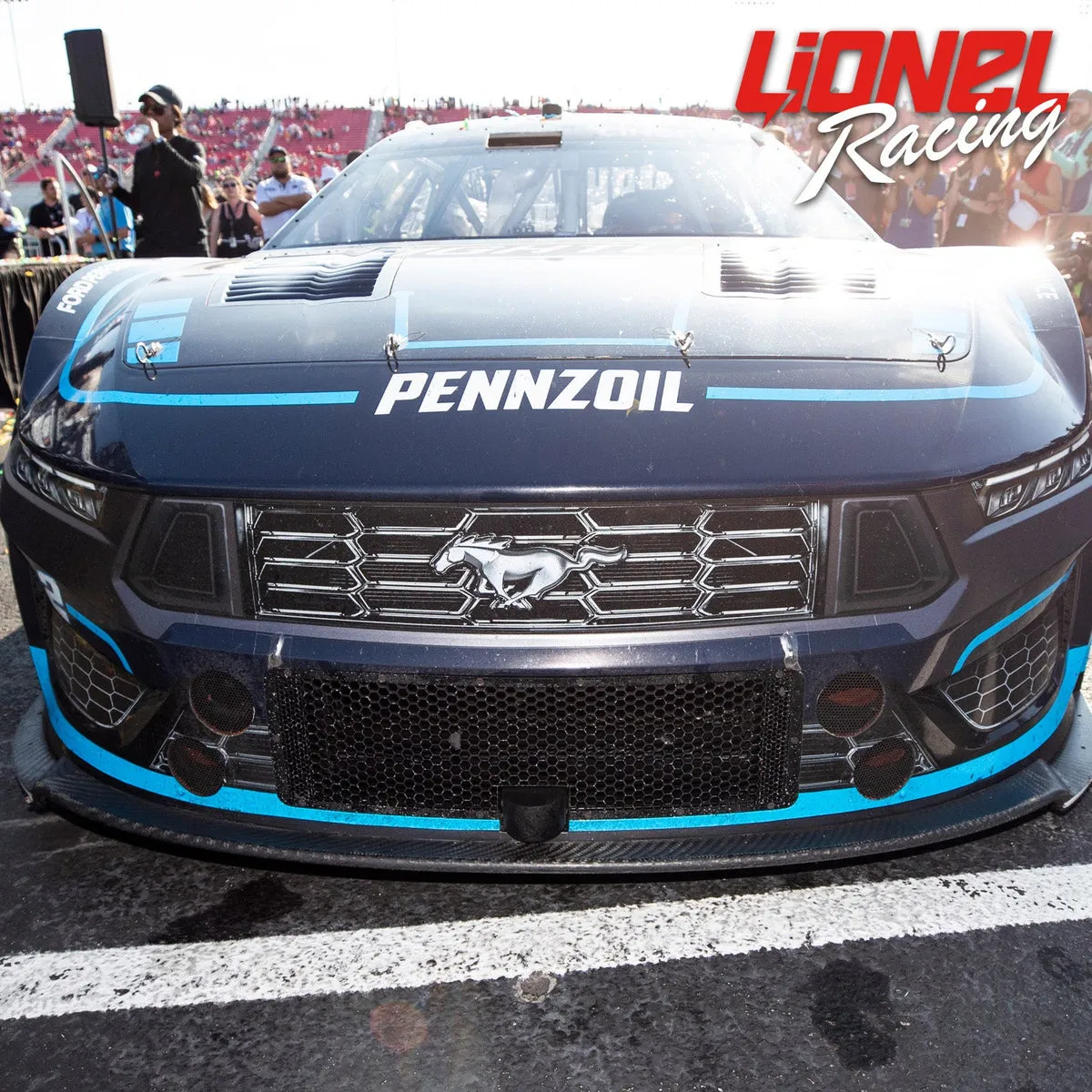
Are you a NASCAR enthusiast with a collection of diecast cars? Wondering how to price NASCAR diecast cars? Whether you’re a seasoned collector or just starting, understanding the factors that influence the value of these miniature marvels is key. This comprehensive guide will walk you through everything you need to know to accurately price your NASCAR diecast cars, ensuring you get a fair deal whether you’re buying, selling, or simply assessing your collection. From rarity and condition to driver popularity and market trends, we’ll cover all the essential elements to help you navigate the world of NASCAR diecast pricing.
What Factors Influence NASCAR Diecast Car Prices
Several elements come into play when determining the value of a NASCAR diecast car. These factors work together to create a pricing landscape. Understanding these elements is crucial for accurate valuation. The key components include the car’s rarity, condition, driver/team association, and where and how you’re trying to sell them. Each of these elements plays a significant role in determining a diecast car’s market value, so it’s best to be aware of all of them.
Rarity and Limited Editions
Rarity often tops the list of value drivers. Limited edition diecast cars, produced in small quantities, are generally more valuable than mass-produced models. The fewer the cars made, the higher the demand, and thus, the price. These limited runs are often made to commemorate special events, milestones, or driver achievements, which increase their desirability among collectors. Cars with specific production numbers or those released exclusively through certain retailers are also more valuable.
Why are Limited Edition Cars More Valuable

Limited edition cars are more valuable because of their scarcity. The exclusivity creates a higher demand from collectors eager to own a piece of NASCAR history. These cars often represent significant moments in the sport, making them more than just collectibles; they are investments. The production limitations ensure that the cars retain their value over time, and often appreciate, as the supply remains static while the collector base potentially grows.
How to Identify Limited Edition Diecasts
Identifying limited edition diecast cars requires careful observation. Check the packaging for a production number (e.g., 1 of 500). Look for special markings or certificates of authenticity. Retailer exclusives often have stickers or specific packaging details that indicate their limited release. Researching the car’s model number and release details online can confirm its exclusivity. Collector forums and diecast websites can also provide valuable insights into identifying rare items.
Condition of the Diecast
The condition of a diecast car significantly impacts its price. Collectors highly value cars in mint condition. Any imperfections, such as scratches, dents, or paint chips, will decrease the car’s value. Cars that have been stored properly, away from sunlight and extreme temperatures, are more likely to maintain their value. The better the condition, the more valuable the car, so it is important to take care of your collection.
Grading the Condition of Your Cars

Condition grading uses a standardized system to assess diecast cars. Mint condition means the car is flawless, while near mint indicates minor imperfections. Excellent condition shows some wear, and good condition has more noticeable flaws. Fair condition means the car has significant damage. Most collectors will use a standard scale that ranges from Poor, Fair, Good, Very Good, Excellent, Near Mint, and Mint. Being honest when assessing the condition can help during the selling process.
Signs of Wear and Tear to Watch For
Common signs of wear include scratches on the paint, dents in the body, and fading of the colors. Check the tires for cracking or wear and the decals for peeling or damage. Inspect the packaging for crushing, tears, or discoloration. Look closely at the windows for any clouding or scratches. Small details like these can affect the grade and price, so thorough examination is essential before setting a price. Ensure you examine the car well before considering selling it.
The Significance of the Original Packaging
The original packaging is an integral part of a diecast car’s value. Packaging protects the car and helps preserve its condition. Cars in their original boxes are generally worth more than those without them. Collectors value the packaging as part of the complete item, and it adds to the car’s authenticity. The box may also contain information about the car’s production and any certificates of authenticity.
Importance of the Box and Packaging

The box and packaging are as important as the car itself. A box in mint condition can significantly increase a diecast car’s value. Packaging that is clean, undamaged, and original enhances the car’s collectibility. Even minor imperfections in the packaging can lower the car’s price. Keeping your diecast cars in their original packaging when possible is a good way to preserve their value and attractiveness to potential buyers. Remember, original packaging is considered a must-have.
Protecting Your Diecast Collection
Proper storage is essential for preserving the condition of your diecast cars. Store the cars in a cool, dry place away from direct sunlight. Consider using display cases or protective sleeves to prevent dust and damage. Regularly inspect your collection for any signs of wear or degradation. Handle the cars with clean hands to avoid transferring oils or dirt. By taking these steps, you can maintain the value and beauty of your NASCAR diecast collection for years to come.
The Driver and Team Effect
The popularity of the driver and the team significantly influences diecast car prices. Cars of popular drivers and successful teams command higher prices due to increased demand. Championship wins, special paint schemes, and driver retirements can all boost the value of a particular diecast car. Collectors often seek out cars representing their favorite drivers or significant moments in NASCAR history, willing to pay a premium for them.
Popular Drivers and Their Value

Drivers with a large fan base, such as Jeff Gordon, Dale Earnhardt Jr., and Jimmie Johnson, often have higher-valued diecast cars. These drivers’ cars are popular due to their achievements and fan base. Rookie drivers with a high profile can also generate demand for their diecast cars. The more successful the driver, the more valuable their merchandise tends to be, including the diecast cars. Collectibles related to a driver’s career milestones are also sought after.
The Impact of Championship Wins
Championship wins significantly boost the value of diecast cars. Cars celebrating a driver’s championship victory are highly collectible and can fetch premium prices. Special edition cars commemorating the win, such as those with a unique paint scheme or packaging, are especially valuable. These cars represent a significant moment in NASCAR history, making them highly desirable for collectors. The more championships a driver wins, the more valuable the related diecast cars tend to be.
Team and Sponsor Influence
The team and sponsor also play a role in determining a diecast car’s value. Cars from well-known teams, such as Hendrick Motorsports or Team Penske, are often more sought after. Special sponsor liveries or those commemorating a sponsor’s anniversary can also increase a car’s value. The overall look and presentation of the car, including its sponsors, contribute to its appeal and collectibility. Collectors often seek cars that represent memorable team-sponsor partnerships.
Where to Find Diecast Car Values

Several resources are available to help you determine the value of your NASCAR diecast cars. Online marketplaces, specialized websites, and collector communities offer valuable insights into current market prices. Researching comparable sales is essential before pricing your collection. Utilizing these resources ensures you set a fair price and understand the current market trends. Knowing how to research will help you in the long run when you try to sell.
Online Marketplaces and Auction Sites
Online marketplaces and auction sites are excellent places to research the value of diecast cars. Websites such as eBay provide a vast selection of listings. You can review the prices of completed sales to gauge market value. Auction sites often provide the latest prices, driven by demand. Researching completed listings gives you a realistic view of what buyers are willing to pay. These platforms offer broad access to data and allow you to compare prices of similar items.
Checking Prices on eBay
eBay is an invaluable tool for pricing your NASCAR diecast cars. Search for the specific car model you have, and filter the results to show ‘sold’ or ‘completed’ listings. This will provide real-world prices that reflect what people actually paid for the cars. Compare the condition and features of your car to those sold on eBay to get an accurate price estimate. Regularly checking eBay’s completed listings is a great way to keep up to date with the market.
Using Completed Listings for Pricing

Completed listings are the most reliable way to determine the value of your diecast cars. They show the actual prices buyers paid, not just the asking prices. Look for cars in similar condition to yours and note the final sale price. Factor in shipping costs, taxes, and fees to get a clearer understanding of the total value. Analyzing multiple completed listings provides a comprehensive view of the market and helps you set a competitive price.
Specialized Diecast Websites
Specialized diecast websites offer in-depth information and pricing guides for various car models. These sites often have databases with detailed descriptions, production numbers, and estimated values. Some sites may also offer appraisal services or forums where you can discuss pricing with other collectors. These resources are great for in-depth research and can provide valuable insights into the rarity and collectibility of your cars.
Collector Communities and Forums
Collector communities and forums are excellent sources for information and pricing advice. You can connect with other collectors, share knowledge, and get feedback on your collection. Many forums have sections dedicated to pricing where members can discuss the value of specific cars. Participating in these communities can provide valuable insights and help you stay informed about market trends. Sharing photos and details of your cars and asking questions is a great way to determine value.
Tips for Pricing Your Cars

Accurately pricing your NASCAR diecast cars requires a combination of research, careful assessment, and realistic expectations. Understanding the factors that influence value and using available resources will help you price your collection. Consider market trends, the condition of the cars, and the desirability of the driver and team. With these tips, you can price your collection confidently and make informed decisions whether selling or trading.
Researching Comparable Sales
Researching comparable sales is crucial for setting an accurate price. Use online marketplaces and specialized websites to find what similar cars have sold for recently. Look for cars in the same condition and with the same features as yours. Compare prices from different sources to get a comprehensive view of the market. Take notes on each comparable sale. Thorough research allows you to make informed decisions about the prices of your collection.
Setting a Realistic Price
Setting a realistic price is essential for selling your diecast cars. Be aware of market trends. Consider the condition of your cars and adjust the price accordingly. Be prepared to negotiate, but stick to a price that reflects the car’s value based on your research. Overpricing can deter potential buyers. A well-priced collection will attract interest and increase the likelihood of a successful sale. Research is key to knowing a good price.
Negotiating and Selling Your Collection
Negotiating is often a part of selling collectible items. Be prepared to be flexible. Be willing to consider offers, but do not undervalue your cars. When selling, provide clear photos and detailed descriptions of the cars and their condition. Be transparent about any flaws or imperfections. Choose a reputable platform for selling, whether online or in person. Building trust with potential buyers increases the chances of a successful sale.
Conclusion
Pricing NASCAR diecast cars accurately requires research, understanding of market dynamics, and careful assessment of the car’s condition and features. By considering rarity, driver popularity, and using resources like online marketplaces and collector communities, you can confidently price your collection. Whether you’re looking to sell, trade, or simply assess your collection’s value, this guide provides the knowledge and tools you need. Enjoy the journey of collecting and sharing your passion for NASCAR diecast cars.