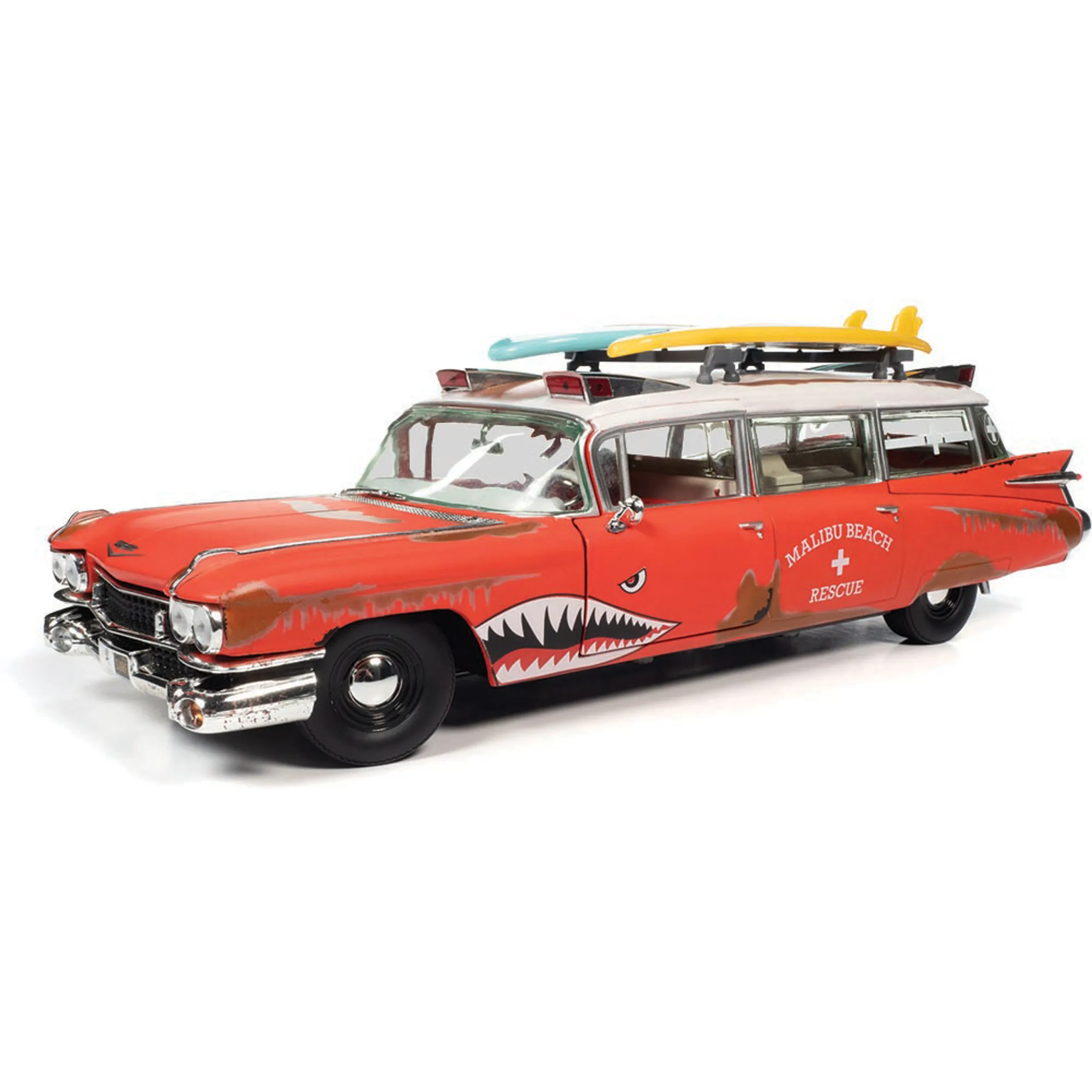
Understanding Scale Diecast Cars
Scale diecast cars are miniature replicas of real-world vehicles, meticulously crafted to capture the essence of their full-sized counterparts. The allure of these collectibles lies in their detailed design, quality craftsmanship, and the opportunity to own a piece of automotive history. The term “scale” refers to the ratio between the model’s size and the actual car’s size, with common scales including 1:18, 1:24, and 1:43. The lower the second number, the larger the model. For instance, a 1:18 scale model is significantly larger and more detailed than a 1:43 model. Diecast cars are not just toys; they are miniature works of art, often highly sought after by collectors and enthusiasts for their accuracy and historical significance.
What to Consider When Buying
Before diving into the world of scale diecast cars for sale, it’s essential to consider several factors to ensure a satisfying collecting experience. First, determine your budget. Diecast cars range widely in price, from affordable models to high-end, limited-edition pieces. Set a budget to guide your purchases and prevent overspending. Next, decide which scales and types of cars interest you. Are you passionate about classic muscle cars, modern supercars, or vintage race cars? Narrowing your focus will help you build a cohesive and meaningful collection. Research different brands and manufacturers. Some brands are known for their superior quality and detail, while others offer a more budget-friendly option. Explore various online resources, collector forums, and reviews to gain insights into the reputation of different brands and models. Finally, assess the model’s condition. Whether buying a new or used diecast car, inspect it carefully for any defects, imperfections, or missing parts. Always ensure the model is complete and in good condition.
Scale & Detail Matters

Scale and detail are two of the most critical aspects of a scale diecast car. The scale determines the model’s size, while the detail level reflects the accuracy and craftsmanship of the replica. The most popular scales for diecast cars are 1:18, 1:24, and 1:43. 1:18 scale models are larger and provide the most detail, often including opening doors, hoods, and trunks, as well as detailed engine compartments and interiors. 1:24 scale models are a slightly smaller, but still offer a good level of detail, making them a popular choice for many collectors. 1:43 scale models are more compact and often more affordable. The detail level of a diecast car is determined by various factors, including the materials used, the manufacturing process, and the skill of the designers and craftsmen. Look for models with realistic paint finishes, accurate decals and markings, and finely detailed features, such as working steering wheels, suspension systems, and interior components.
Materials and Build Quality
The materials and build quality of a scale diecast car greatly influence its durability, appearance, and value. High-quality diecast cars are typically made from a combination of diecast metal for the body and chassis, along with plastic or other materials for the interior, tires, and other details. Diecast metal is a strong and durable material that allows for intricate detailing and a realistic weight and feel. Plastic components are used for interior components and trim pieces. Look for models with a solid build, tight fitting parts, and a smooth, even paint finish. Check for any signs of poor craftsmanship, such as misaligned parts, excessive gaps, or imperfections in the paint. Pay attention to the details, such as the quality of the wheels and tires, the accuracy of the decals and markings, and the overall level of detail. A well-made diecast car will not only look impressive but will also withstand handling and display for many years to come.
Where to Find Scale Diecast Cars
Finding scale diecast cars for sale involves exploring various avenues, both online and offline. The best approach often involves a combination of methods. Online marketplaces offer a vast selection, while specialty shops can provide expert advice and unique finds. Attending shows and events lets you connect with fellow enthusiasts and discover rare models. Consider the advantages and disadvantages of each source to make informed decisions and build your collection effectively.
Online Marketplaces

Online marketplaces like eBay and Amazon offer a vast selection of scale diecast cars for sale, providing unparalleled convenience and access to a wide range of models. These platforms allow you to browse thousands of listings from sellers worldwide, often with detailed descriptions, images, and pricing information. You can compare prices, read reviews, and bid on auctions to find the best deals. However, be aware that online marketplaces can sometimes involve risks. Always verify the seller’s reputation and read reviews before making a purchase. Carefully examine the photos and description to assess the model’s condition. Consider the shipping costs and return policies before finalizing your order. Overall, online marketplaces are a great place to start your search and uncover a vast array of options.
Specialty Shops
Specialty shops dedicated to diecast cars and collectibles offer a more curated and personalized buying experience. These shops typically stock a selection of high-quality models, often with a focus on specific brands, scales, or eras. The staff members are usually knowledgeable and passionate about diecast cars, providing valuable insights, recommendations, and expert advice. Specialty shops often have a strong understanding of the models available and are able to assist you in finding items. The prices at specialty shops may be slightly higher than those in online marketplaces. However, the increased level of expertise, the ability to examine the models in person, and the opportunity to build a relationship with a trusted dealer can be worth the investment. If you are serious about building a collection and valuing expertise, specialty shops are great places to start.
Shows and Events
Shows and events dedicated to diecast cars and other collectibles offer a unique opportunity to find scale diecast cars for sale and connect with fellow enthusiasts. These events bring together collectors, dealers, and manufacturers, providing a vibrant marketplace for buying, selling, and trading models. Attending shows gives you the chance to see models in person, compare prices, and negotiate with sellers. You can also discover rare and hard-to-find models, meet like-minded individuals, and learn about the latest trends and developments in the diecast car hobby. Shows and events can be a great source of knowledge, fun, and community. Check online event listings to find shows happening in your area.
Authenticity and Documentation

When buying scale diecast cars for sale, particularly vintage or limited-edition models, verifying their authenticity is crucial. Counterfeit models are unfortunately not uncommon, and it is important to safeguard your investment. The authenticity of a diecast car refers to whether it is a genuine product, made by the original manufacturer, or a replica or a modified version. Authentic models are more valuable and sought after by collectors. Several factors can help determine the authenticity of a diecast car, including the manufacturer, model details, packaging, and documentation. If you are investing a large amount of money in the model, it’s always worth paying a premium to ensure the authenticity of the product.
Identifying Genuine Models
Identifying genuine diecast models involves careful examination of various details. Start by researching the manufacturer and model you are interested in. Familiarize yourself with the typical features, markings, and packaging associated with genuine models. Examine the model’s construction and details, looking for any inconsistencies or signs of poor craftsmanship. Check the paint finish, decals, and markings for accuracy and authenticity. Pay close attention to the wheels, tires, and interior details, as counterfeit models often have inferior components. Many genuine models come with specific documentation, such as certificates of authenticity, model numbers, or unique serial numbers. Research the seller’s reputation. Buy from reputable sources with positive reviews and a strong history of selling genuine collectibles. Before buying, ask the seller specific questions. Request detailed photos of the model, including close-ups of key details. Consider using online resources such as collector forums, brand-specific websites, or online verification tools to identify genuine models.
Checking for Certificates of Authenticity
Certificates of authenticity (COAs) are valuable documents that provide an extra layer of assurance of a diecast car’s authenticity. A COA is a document issued by the manufacturer or a trusted third-party authenticator, verifying that the model is genuine and providing information about its specifications and provenance. When buying a diecast car for sale that comes with a COA, carefully inspect the document. Look for the manufacturer’s or authenticator’s logo, the model name and number, and any unique serial numbers. Make sure the certificate is in good condition and matches the model you are purchasing. If possible, verify the authenticity of the COA with the manufacturer or authenticator. Certificates of authenticity are not always available. But when they are, they provide that added level of confidence.
Evaluating Condition

The condition of a diecast car significantly impacts its value and appeal. Evaluating the condition involves assessing both the model itself and its packaging. When examining the model, look for any defects, such as scratches, dents, or missing parts. Check the paint finish for imperfections, such as bubbles, runs, or fading. Ensure that all the parts are present and that the model functions correctly. Carefully examine the packaging. Look for any signs of wear and tear, such as creases, tears, or discoloration. The original packaging enhances the collectibility of the model. A model in mint condition, with its original packaging, is highly valued. Take your time and carefully evaluate the model’s condition before making a purchase. This will help you to ensure you are buying a model that meets your expectations and reflects the value you are willing to pay. Taking a detailed approach to evaluation can also avoid costly mistakes.
Pricing and Value
Understanding the pricing and value of scale diecast cars is essential for making informed buying and selling decisions. The price of a diecast car is determined by many factors, including its rarity, condition, brand, scale, and historical significance. Research the market prices of the models you are interested in. Utilize online resources, collector guides, and auction results to get an understanding of the current values. Compare prices from different sources to get an idea of the fair market value. Consider the factors that can affect the value. These factors often include the model’s condition, the presence of its original packaging, the manufacturer’s reputation, the model’s rarity and collectibility, and any special features or details. Negotiating the price is often possible. Be prepared to discuss the model’s condition, market value, and any flaws or imperfections. Be realistic and flexible, and be ready to walk away from a deal if the price is not right.
Factors Affecting Value
Several factors influence the value of scale diecast cars. Rarity is a major determinant. Limited-edition models, those with low production numbers, or models from discontinued manufacturers often command higher prices. Condition is also key. Models in mint condition with their original packaging are the most valuable. Brand recognition and manufacturer reputation play a role. Certain brands, known for quality and detail, are more desirable. Historical significance and the model’s representation of a specific era or car model also contribute to its value. Collector demand drives prices. Models of popular cars or those with a strong following among collectors tend to be more valuable. The scale of the model also matters, with larger scales generally more expensive. The presence of original documentation, such as certificates of authenticity, can significantly boost value. Finally, the availability of the model in the market influences its value. Scarce models are naturally more expensive. Understanding these factors will give you an advantage in assessing the value of any model.
Negotiating the Price

Negotiating the price is a common practice when buying or selling scale diecast cars. Before negotiating, research the market value of the model. This will give you a good starting point for the price discussion. Consider the condition of the model and any flaws or imperfections that might affect its value. When negotiating, be polite and professional. Clearly state your offer and the reasons for it, focusing on the model’s condition, market value, or any other relevant factors. Be willing to compromise. Negotiate the price within a reasonable range. If you can’t agree on a price, be prepared to walk away. Know your limits and be prepared to give up the deal.
Caring for Your Collection
Proper care is essential to protect your investment and preserve the beauty of your scale diecast car collection. This involves careful storage and regular cleaning and maintenance. The goal is to create the right environment to preserve your collection for future enjoyment and potential appreciation. The value of your collection is directly affected by its state and how well you have maintained it.
Proper Storage
Proper storage is crucial for protecting your scale diecast car collection from damage. Store your models in a cool, dry, and dust-free environment, away from direct sunlight and extreme temperatures. Sunlight can fade paint and damage delicate components. Consider using display cases or shelves to protect your models from dust and accidental damage. Display cases can provide an elegant way to showcase your collection while protecting it from the elements. If you are storing models for an extended period, consider wrapping them in acid-free tissue paper or placing them in individual plastic bags to prevent dust and scratches. Avoid storing your models in attics, basements, or garages, as these areas can be prone to temperature fluctuations and humidity, which can damage the models. Maintain a consistent temperature and humidity level. Your collection can appreciate in value if stored correctly.
Cleaning and Maintenance

Regular cleaning and maintenance will help to keep your scale diecast cars looking their best. Dust your models regularly with a soft brush or cloth to remove dust and debris. Avoid using harsh chemicals or abrasive cleaners, as these can damage the paint and other components. If you need to clean your models more thoroughly, use a mild soap solution and a soft cloth. Gently wipe the model and then rinse it with clean water. Be sure to dry the model completely before returning it to its display case or storage area. Inspect your models regularly for any signs of damage or wear and tear. Address any issues promptly to prevent them from worsening. Lubricate any moving parts with a small amount of silicone-based lubricant to ensure smooth operation and prevent rust. Following these simple cleaning and maintenance tips will help you preserve the beauty and value of your diecast car collection for years to come.
Enjoying Your Scale Diecast Cars
The most important aspect of owning scale diecast cars is the enjoyment they bring. Take time to appreciate the craftsmanship, detail, and historical significance of your models. Share your passion with other collectors, attend shows and events, and join online communities to connect with like-minded enthusiasts. Scale diecast cars are not just valuable collectibles; they are miniature works of art that bring pleasure. Enjoying your collection should be the primary focus. Dedicate time to appreciating and displaying your models. Share your collection with friends and family. Participate in car shows and club meetings to learn and share your passion. Remember, the enjoyment of the hobby is what truly matters. Whether you are a seasoned collector or a novice, take time to admire the beauty and detail of your models, and celebrate the history and artistry they represent.