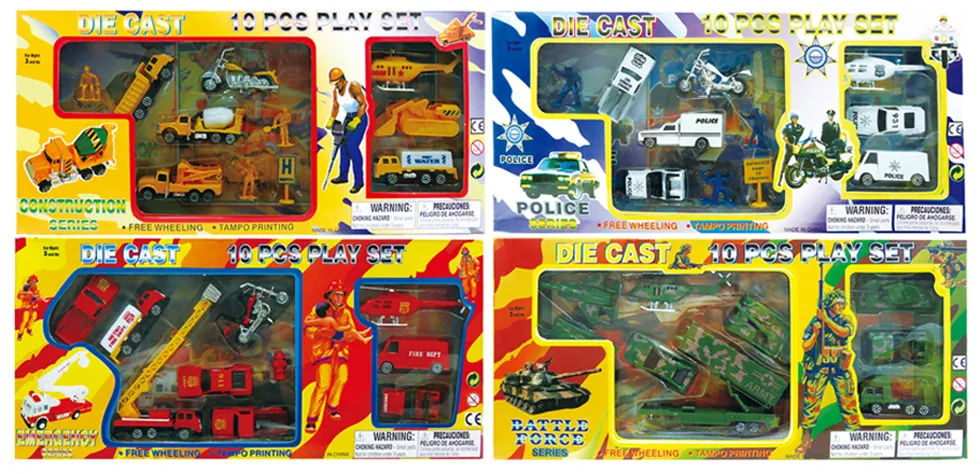
The world of diecast collectibles offers a fascinating blend of nostalgia, artistry, and investment potential. For those looking to enter the market, particularly with a focus on wholesale, understanding the nuances of this industry is crucial. This guide provides a comprehensive roadmap for anyone seeking to establish a successful venture in the wholesale diecast collectibles business. From identifying reliable suppliers to mastering marketing strategies, we’ll cover all the essential aspects to help you get started and thrive in this dynamic market.
What are Diecast Collectibles?
Diecast collectibles are miniature replicas of vehicles, primarily automobiles, made using a die-casting process. This involves injecting molten metal, typically zinc alloy, into a mold. The resulting models are known for their detail, accuracy, and durability. Diecast collectibles range from vintage cars to modern sports cars, trucks, and even aircraft. These items are not just toys, they are often highly sought after by collectors and enthusiasts who appreciate the craftsmanship and historical significance of each piece. The popularity of these items makes them a viable option for wholesale.
Why Choose Wholesale Diecast Collectibles?
Wholesale diecast collectibles offer significant advantages for entrepreneurs looking to enter the collectibles market. The wholesale model allows for purchasing items in bulk, which drastically reduces the per-unit cost. This cost reduction translates into higher profit margins when the items are resold. The demand for diecast collectibles remains consistently strong due to the passionate collector base, and the wide variety of models that appeal to different interests. This combination of a dedicated customer base and manageable overhead makes it a strong business opportunity.
Benefits of Buying Wholesale

Buying wholesale unlocks several key benefits that are essential for business success. Primarily, it provides access to lower prices, which directly impacts profitability. Wholesale purchasing enables you to compete more effectively in the market by offering competitive pricing to your customers. Furthermore, buying in bulk often grants access to a wider selection of models and rare items, increasing your appeal to collectors. Wholesale also gives you greater control over inventory and the ability to meet the demands of customers. The ability to purchase large volumes helps you consistently provide the sought-after products and maintain customer satisfaction.
Understanding the Diecast Collectibles Market
Before diving into the wholesale business, it’s critical to understand the current market trends, popular brands, and the types of collectibles that are in demand. Research is essential to determine which niches within diecast collectibles have the highest potential for growth. The market is dynamic, with trends shifting based on the popularity of specific car models, movie franchises, and historical events. Staying informed about the collector community’s interests allows you to tailor your inventory to maximize sales. This research also includes analyzing competitor pricing, understanding customer preferences, and identifying gaps in the market.
Popular Diecast Collectible Types
The diecast collectibles market includes a broad range of vehicles. Vintage cars, particularly classic models from the mid-20th century, remain highly sought after. Modern sports cars, luxury vehicles, and limited-edition models are also in high demand. Additionally, diecast models inspired by movies, TV shows, and video games are extremely popular. Consider the scale of the models as well, with the 1:18 and 1:24 scales being particularly popular among collectors. The variety provides several avenues to specialize your inventory and appeal to diverse collector bases. Offering a mix of types can increase your appeal to a wide audience.
Identifying Reliable Wholesale Suppliers

The cornerstone of any successful wholesale business is a network of reliable suppliers. Start by researching manufacturers and distributors in the diecast collectibles industry. Look for companies with a proven track record of supplying high-quality products and a history of on-time delivery. Attend industry trade shows, both physical and virtual, to connect with potential suppliers. Check online directories and marketplaces. Read reviews and seek recommendations from other businesses in the industry. Ensure suppliers offer competitive pricing, reasonable minimum order quantities, and clear terms of service. Establishing relationships with multiple suppliers can diversify your inventory and reduce the risk of supply chain disruptions.
Tips for Finding Suppliers
Finding the right suppliers involves more than just a quick search. Network within the collector community to identify reputable sources. Utilize online platforms like Alibaba, but exercise caution and thoroughly vet any potential suppliers. Request samples to assess product quality before committing to a large order. Check for certifications, such as those related to product safety and ethical manufacturing practices. Consider the supplier’s location and shipping costs, as these factors can significantly impact your profitability. Pay close attention to the supplier’s customer service responsiveness, which indicates the level of support you can expect after making a purchase.
Evaluating Suppliers
Once you have identified potential suppliers, it is time to evaluate them. Examine the quality of their products, paying close attention to the detail and accuracy of the diecast models. Review the supplier’s pricing structure, including discounts for bulk orders, and compare it with other suppliers in the market. Investigate their minimum order quantities, shipping costs, and payment terms. Assess the supplier’s ability to meet your needs in terms of inventory availability, lead times, and customer service. Read reviews from other businesses to gauge their reputation for reliability and trustworthiness. Request references from other businesses that are working with the suppliers.
Negotiating Wholesale Prices

Negotiating favorable wholesale prices is a critical skill for maximizing profits. Research the market price of the diecast collectibles you intend to purchase before starting negotiations. Know your budget and the profit margins you need to achieve. Leverage your knowledge of the market to negotiate the best possible prices. Be prepared to make a counteroffer, and don’t be afraid to walk away if the supplier’s terms are unacceptable. Consider offering to pay upfront or in cash, which can sometimes give you additional negotiating power. Build a long-term relationship with your suppliers, as this can lead to better deals over time.
Negotiating Strategies
Employing effective negotiating strategies can significantly impact your ability to secure favorable terms. Start by clearly stating your needs and expectations to the supplier. Be polite but firm, and be prepared to justify your requests with market data. Highlight the value you bring to the supplier, such as your commitment to consistent order volumes and your effective marketing strategies. Always aim for a win-win outcome, which encourages long-term relationships. If you are not satisfied with the initial offer, counter with a clear and justifiable proposal, and be prepared to walk away if your requirements cannot be met. Remember that building a good rapport with suppliers is essential.
Payment and Shipping Considerations
Payment terms and shipping logistics are crucial elements to consider. Understand the supplier’s payment requirements, including accepted payment methods and any associated fees. Ensure you have a secure method to make payments, especially for large transactions. Negotiate shipping terms, including costs, insurance, and delivery times. Explore different shipping options, such as air freight or sea freight, to balance cost and speed. Consider the supplier’s return policy and the procedures for handling damaged or defective products. Make sure your shipping process adheres to local and international import/export regulations.
Shipping Options

Evaluate various shipping options to balance cost, speed, and reliability. For smaller orders, standard postal services or express couriers might be sufficient. For larger shipments, consider freight forwarders who can handle the logistics of international shipping. Always obtain shipping insurance to protect against loss or damage. Compare quotes from different shipping providers, considering factors such as transit time, tracking capabilities, and insurance coverage. Pack your products securely to minimize the risk of damage during transit, and clearly label all packages.
Setting Up Your Wholesale Business
Setting up your wholesale business involves several key steps. First, choose a business structure, such as a sole proprietorship, partnership, LLC, or corporation, based on your needs and financial situation. Register your business with the appropriate government agencies and obtain any necessary licenses or permits. Set up a separate business bank account to manage your finances. Develop a business plan that outlines your goals, strategies, and financial projections. Invest in a good inventory management system to track your stock levels and sales. Consider setting up an online store and a strong social media presence to market your products.
Legal and Regulatory Requirements
Complying with legal and regulatory requirements is essential for operating a legitimate business. Research local, state, and federal regulations that apply to your business, including sales tax, business licenses, and import/export regulations. Consult with a legal professional to ensure your business practices are compliant. Keep accurate records of all financial transactions, invoices, and sales. Be aware of any product safety standards or labeling requirements. Protecting intellectual property rights, such as trademarks and copyrights, is equally important.
Marketing and Selling Your Collectibles

Marketing is essential for success. Develop a comprehensive marketing plan to reach your target audience. This includes establishing an online presence, which includes a professional website. Use social media platforms to showcase your products and engage with potential customers. Consider using targeted advertising campaigns on platforms like Google and social media to reach specific demographics and interests. Participate in online forums and communities related to diecast collectibles to build relationships and promote your business. Offer discounts, promotions, and loyalty programs to retain customers.
Marketing Strategies
Utilize a variety of marketing strategies to maximize your reach and impact. Develop high-quality product photos and videos. Create engaging content, such as blog posts, articles, and reviews, to educate and inform your audience. Optimize your website and product listings for search engines (SEO). Run contests and giveaways to increase engagement. Consider email marketing to build relationships with customers and share exclusive offers. Collaborate with influencers and other businesses in the industry. Monitor your marketing efforts and make adjustments based on the results. Pay attention to which marketing strategies produce the best returns.
Where to Sell Your Collectibles
Diversify your sales channels to maximize your reach and sales. Set up an e-commerce store on your website, giving you full control over your brand and customer experience. Use online marketplaces like eBay and Amazon, which have large established customer bases. Consider selling at local collectible shows and events. Partner with brick-and-mortar stores that specialize in collectibles. Consider selling through social media platforms with integrated shopping features. Each channel has its own benefits and drawbacks, so consider your target audience, your business model, and the resources you have available.
Maintaining a Successful Wholesale Business

Maintaining a successful wholesale business requires a strategic approach to operations and customer relations. Provide excellent customer service by responding promptly to inquiries and resolving any issues efficiently. Continuously monitor the market for new trends and opportunities. Build strong relationships with your suppliers and customers. Stay organized and maintain detailed records of sales, expenses, and inventory. Regularly review your business plan and make adjustments as needed. Remain adaptable and be willing to embrace new technologies and marketing strategies.
Inventory Management
Effective inventory management is crucial for maintaining profitability. Implement an inventory tracking system to monitor stock levels, sales, and reorder points. Use data analytics to predict demand and adjust your inventory accordingly. Regularly perform physical inventory counts to ensure accuracy. Store your diecast collectibles in a secure and organized manner to prevent damage or theft. Minimize dead stock by closely monitoring sales trends and offering discounts on slow-moving items. Regularly evaluate your inventory management system and adjust it as needed.
Customer Service
Exceptional customer service is essential for retaining customers and building a positive reputation. Respond promptly and professionally to all customer inquiries. Resolve any complaints or issues efficiently and fairly. Offer a clear and easy-to-understand return policy. Provide accurate product descriptions and detailed information. Go the extra mile to exceed customer expectations whenever possible. Solicit feedback from your customers and use it to improve your products and services. Building a reputation for excellent customer service can lead to customer loyalty and positive word-of-mouth referrals.
Starting a wholesale diecast collectibles business can be a rewarding venture. By following these steps and remaining adaptable, you can build a successful and profitable business. Good luck!