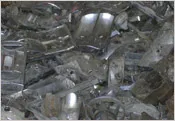
What is Zinc Diecast Scrap
Zinc diecast scrap refers to discarded items and components made from zinc alloys using the die-casting process. This process involves injecting molten zinc alloy under high pressure into a mold to create parts with intricate shapes and fine details. These parts are then used in a wide array of products, from household appliances and automotive components to industrial machinery and electronic devices. As these products reach the end of their lifespan or are damaged, the zinc diecast parts often become scrap, which can be recycled to recover valuable metals. Understanding the composition and characteristics of zinc diecast scrap is essential for anyone looking to sell or recycle it, as it directly impacts its value and how it can be processed effectively.
Composition of Zinc Diecast Scrap
Zinc diecast alloys are not pure zinc but are composed of zinc mixed with other metals to enhance their properties. These alloys are engineered to provide a balance of strength, durability, and castability. The addition of elements like aluminum, copper, and magnesium significantly affects the final characteristics of the alloy, including its melting point, corrosion resistance, and mechanical strength. Knowing the specific composition can influence how the scrap is handled and processed, which directly affects the price a seller can get. Different alloys have varying market values based on their composition and the ease with which the constituent metals can be recovered.
Common Alloys Found

The most common zinc diecast alloys include the ZA series (ZA-8, ZA-12, ZA-27) and alloys like ZAMAK. These alloys vary in their proportions of zinc, aluminum, copper, and magnesium. ZAMAK alloys, for example, typically contain a significant amount of aluminum for added strength and corrosion resistance. ZA alloys contain higher levels of aluminum, further improving their mechanical properties. Understanding which alloy is present in the scrap is crucial, since it helps determine the potential value of the metal. Alloy identification is a step in maximizing the returns from the scrap.
Identifying Zinc Diecast Scrap
Proper identification of zinc diecast scrap is essential for determining its value and ensuring it’s handled correctly during recycling. Incorrect identification can lead to lower prices or rejection by scrap buyers. There are several methods to accurately identify zinc diecast scrap, ranging from visual inspections to more advanced testing techniques. Being able to differentiate zinc diecast from other metals like aluminum or steel can significantly affect the selling price. This section will explore the techniques to accurately identify your zinc diecast scrap to maximize the returns on the investment.
Visual Inspection
Visual inspection is the first step in identifying zinc diecast scrap. Zinc diecast parts typically have a dull gray appearance, though this can vary depending on the alloy and any surface treatments applied. Look for signs of die-casting, such as parting lines or small imperfections. Unlike steel, zinc diecast does not rust easily, and any surface oxidation will usually appear as a white or grayish powder. Comparing the appearance of the scrap with known zinc diecast items, or comparing the density, can help identify it. The shape and details of the components can also provide clues – diecast parts are known for their ability to create complex shapes, making them distinct from other manufacturing methods.
Weight and Density
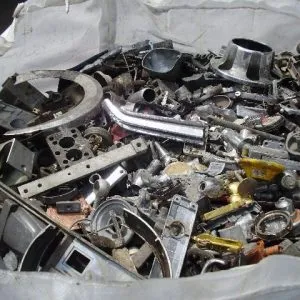
Zinc is a relatively dense metal, and this property can be used to differentiate zinc diecast scrap from other materials, such as aluminum. Zinc is heavier than aluminum, so comparing the weight of similar-sized items can be a quick method of identification. You can also measure the density by finding the volume and calculating the mass, but this approach may not be the most practical. Using a magnet is another test to use, since zinc is not magnetic, so it will not be attracted to a magnet. These methods provide a quick and easy way to differentiate between different metals.
Testing Methods
More advanced testing methods can be used to confirm the identity of zinc diecast scrap, especially when visual inspection is inconclusive. One common test is the spark test, which involves grinding a small part of the metal against a grinding wheel. The color and pattern of the sparks produced can help identify the metal. Chemical spot tests, which involve applying a drop of a specific chemical solution to the metal’s surface, can also be used to identify the presence of certain metals. Spectrometers provide the most accurate identification, analyzing the elemental composition of the metal. These methods, when performed properly, guarantee that you know the metal content of the scrap, and help get you the most money when selling.
Where to Find Zinc Diecast Scrap
Zinc diecast scrap is found in a wide range of products, making it a readily available resource for scrap metal dealers and recyclers. Identifying these common sources is the first step to collecting and selling zinc diecast scrap. From household items and automotive parts to industrial machinery, there are many potential sources of valuable scrap. Many individuals and businesses find that collecting and selling scrap metal is an excellent side income stream. The key is to know where to look and how to identify the materials. This knowledge will enable you to collect and convert discarded items into profit.
Household Items

Many household items contain zinc diecast components. Common examples include door handles, cabinet hardware, and some types of toys. Older appliances often contain zinc diecast parts, as do certain electronic devices, such as remote controls and small gadgets. Carefully inspecting these items can reveal hidden sources of valuable scrap metal. Check the construction materials, and be aware that some items will have a mix of materials that you will need to separate before selling the scrap. The accumulation of scrap from these items can add up quickly, contributing to a substantial amount of scrap metal to sell.
Automotive Parts
The automotive industry is a significant consumer of zinc diecast parts. Many parts, such as door handles, trim pieces, and certain engine components, are made from zinc alloys. Disassembling old vehicles and searching for these parts can yield a considerable amount of scrap. Scrap yards and auto repair shops are excellent sources of automotive zinc diecast scrap, as these businesses often have a steady supply of discarded parts. Knowing which parts are likely to be made from zinc diecast allows you to quickly identify valuable scrap and efficiently collect it for recycling.
Industrial Machinery
Industrial machinery and equipment also use zinc diecast parts in various applications. These include components in power tools, manufacturing equipment, and other industrial devices. Demolition sites, factories, and maintenance facilities are often rich sources of this type of scrap. When working with industrial scrap, safety is crucial, so use appropriate protective gear and handle materials with care. Zinc diecast from industrial sources can represent a significant quantity of scrap, increasing the potential earnings from its recycling. Make sure you take all safety precautions while removing and storing these items.
Preparing Zinc Diecast Scrap for Sale

Proper preparation of zinc diecast scrap is a key factor in maximizing its value. Cleaning, sorting, and removing contaminants are essential steps that can significantly affect the price you receive from buyers. By taking the time to prepare the scrap correctly, you can ensure you get the best possible return on investment. Careful preparation demonstrates professionalism, and helps you command a better price per pound. Knowing how to prepare the scrap ensures you are ready to get the best deal possible.
Cleaning and Sorting
Cleaning and sorting zinc diecast scrap involves removing any dirt, grease, paint, or other materials that may contaminate the metal. Using a wire brush, solvents, or other appropriate cleaning agents can help remove surface contaminants. Sorting the scrap by alloy type or grade can also be beneficial, as different alloys have different values. Separate the scrap from other types of metal, such as steel or aluminum, to avoid contamination. This process ensures that the buyer receives clean, sorted material, which will increase the value of the scrap. The cleaner and better sorted the scrap, the higher the price.
Removing Contaminants
Removing contaminants is a critical step in preparing zinc diecast scrap for sale. Contaminants can significantly reduce the value of the scrap. Non-metallic materials like plastic, rubber, and wood should be removed. Ensure all attached materials are removed. The presence of contaminants can complicate the recycling process and lower the price the buyer is willing to pay. Carefully inspect each piece and remove any non-zinc materials. If necessary, use appropriate tools, such as wire cutters, pliers, or heat guns, to remove contaminants effectively. The cleaner the scrap, the higher the price and the better the chances of repeat business with the buyer.
Finding Reputable Buyers

Finding reputable buyers is crucial to getting the best price for your zinc diecast scrap. Working with trustworthy buyers ensures fair pricing, accurate weighing, and timely payment. There are several avenues to find reputable buyers. Local scrap yards and online scrap brokers provide convenient options for selling your metal. Doing your homework on your buyers is an important step.
Local Scrap Yards
Local scrap yards are often the most convenient option for selling scrap metal. These yards offer a physical location to bring your scrap, and you can often receive immediate payment. Researching local scrap yards and comparing their prices, policies, and reputation is crucial. Check online reviews, ask for referrals, and visit the yards to assess their operations. Look for scrap yards that have calibrated scales, provide clear pricing, and have a reputation for honesty and fair dealing. Building a relationship with a local scrap yard can result in a steady source of income.
Online Scrap Brokers
Online scrap brokers can connect you with a wider network of buyers and potentially offer higher prices. These brokers often have partnerships with multiple recycling facilities and can help you find the best market for your materials. Researching and comparing different online brokers is essential. Look for brokers with a solid reputation, transparent pricing, and good customer service. Make sure to understand their fees and payment terms. Online brokers may require you to ship your scrap, so factor in shipping costs. They can be an excellent source of revenue, but they might require extra steps in the process.
Negotiating Prices
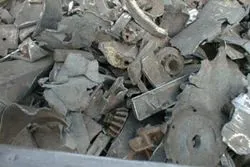
Negotiating prices is an important part of selling scrap metal and obtaining the best possible return. Being prepared and knowing the current market trends can give you an advantage. It’s important to understand the factors that influence prices and to be ready to discuss them with potential buyers. Understanding market trends allows you to know what is a fair price. The better prepared you are, the better you will do in getting the best price for the metal.
Factors Affecting Price
Several factors influence the price of zinc diecast scrap. The purity of the metal, the presence of contaminants, and the current market demand all play a role. The overall condition of the scrap, including its cleanliness and sorting, can also affect the price. The location of the buyer and the associated transportation costs are other factors that can influence the final price. Understanding these factors allows you to negotiate effectively and maximize the value of your scrap. The more you understand what effects the price, the better you can negotiate.
Current Market Trends
Staying informed about current market trends is essential for negotiating the best price for your zinc diecast scrap. Scrap metal prices fluctuate based on global demand, supply chain issues, and economic conditions. Regularly check online resources, such as scrap metal price indexes, to monitor market trends. Contacting multiple buyers and comparing their quotes can also help you gauge the current market value. Knowing current prices helps ensure you are not being taken advantage of, and gives you confidence in your negotiations. This will lead to the best possible price for the scrap.
Maximizing Your Returns

Maximizing your returns from selling zinc diecast scrap involves a combination of the strategies discussed above. Proper identification, thorough preparation, and finding reputable buyers are all crucial steps in the process. The more effort you put into these areas, the greater the financial reward. Focus on increasing the purity of the scrap, eliminating contaminants, and comparing prices from different buyers to get the highest possible value for the scrap. Following these practices ensures you get the best possible return on your investment. This effort turns scrap into a valuable commodity.
By understanding the composition of zinc diecast scrap, learning how to identify it, and preparing it correctly, you can significantly increase your profits. Combine that with researching the market and finding the best buyers, and you will be able to turn scrap into a profitable venture. Recycling zinc diecast scrap is not only a way to earn extra income, but it also contributes to environmental sustainability by reducing the demand for virgin materials. Following these steps will ensure success in maximizing the returns from your zinc diecast scrap.